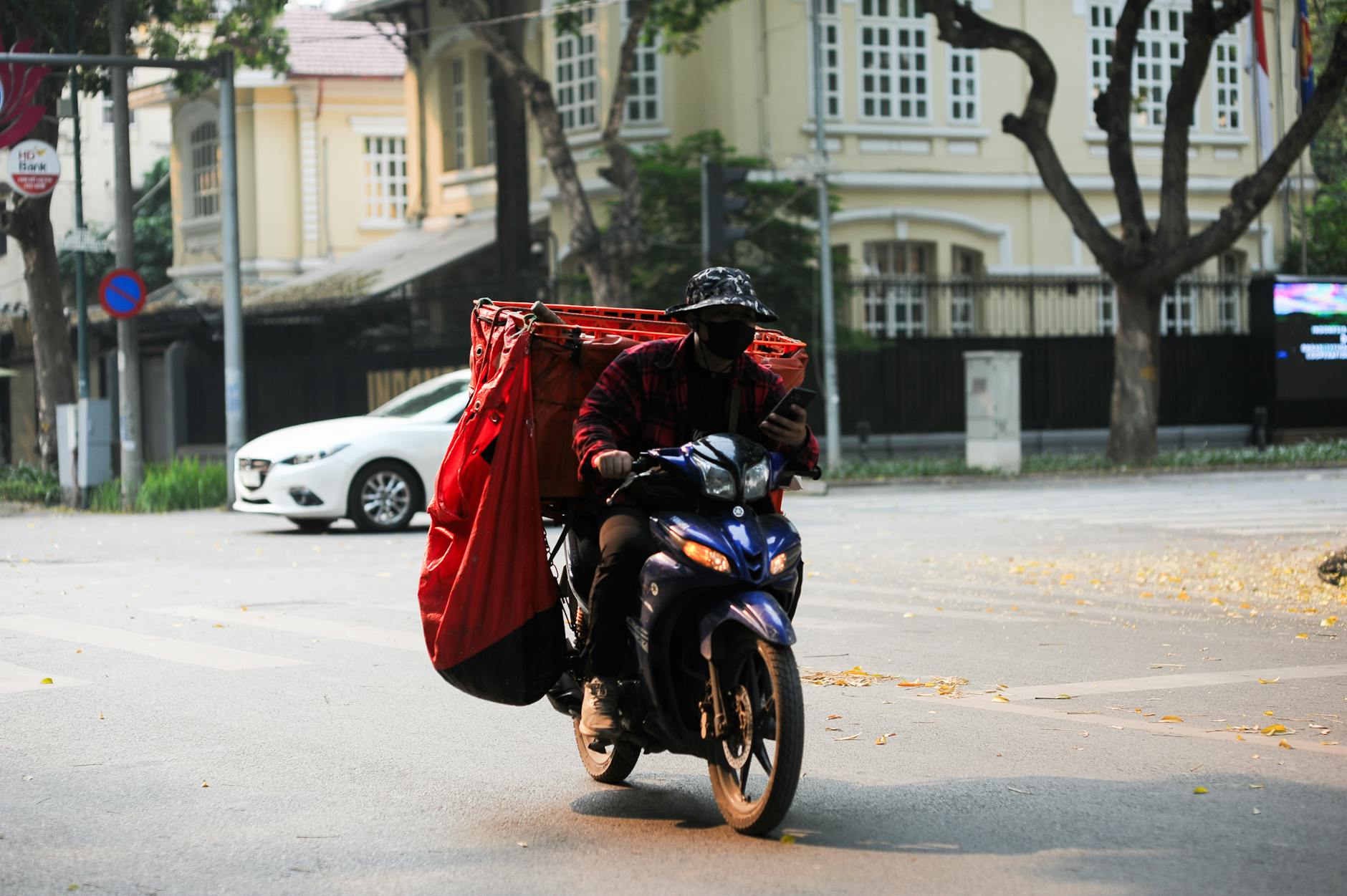
Introduction — Trust at the Doorstep in a Rapid, Gig‑Driven World
On a busy weeknight, we’re used to quick, contactless deliveries. The order arrives, the driver vanishes, and life moves on. But what happens when the person at your door doesn’t look like the driver shown in the app? In recent consumer investigations, families and individuals found themselves confronting that very question. The moment you answer the door, you’re not just receiving a meal or groceries—you’re also placing trust in a digital system that links your payment, your address, and a person you’ve never met in real life.
For many of us, the topic might feel theoretical until a real‑world moment hits. A mismatch between a driver’s photo in an app and the person who arrives can spark fear, confusion, and financial risk. This article isn’t about scaring you away from using delivery apps. It’s about practical, concrete steps you can take to protect your money and your home, while still enjoying the convenience that these services provide. And it’s about understanding how the broader system works so you can make smarter choices next time you order in.
How Delivery Apps Display Drivers—and Why Mismatches Happen
Delivery platforms routinely show you a driver’s first name, photo, and sometimes a vehicle description before the person arrives. The goal is simple: help you recognize the driver and feel confident that the order is legitimate. In practice, the system isn’t perfect. A mix of account sharing, fraud, and limited verification can create scenarios where the photographer on the app doesn’t match the person at your door. In some widely reported cases, the app showed delivery driver. found to be someone else entirely, leaving customers startled and wary.
There are a few layers to why these mismatches occur:
- Account sharing or rental: Some accounts are used by multiple people, sometimes through third‑party services that rent or resell access. A driver who logs in under a rented account might not resemble the photo associated with that account in the app.
- Photo quality and timing: A driver’s appearance can change over time or between photos—glasses, beards, hair style, or even a new uniform can make a match harder, especially if the app photo hasn’t updated recently.
- Photo accuracy and data entry: Mismatches can also happen when the driver’s profile photo is old or mis-tagged, or when an account is used by more than one worker and the photo doesn’t reflect who’s actually delivering at that moment.
- Identity verification gaps: In some markets, background checks and identity verification are uneven across platforms, leading to drivers who are cleared for work but look different from their app profile.
Real-World Impacts: What the Numbers and Stories Tell Us
Safety concerns aren’t just headlines; they affect how people interact with the gig economy and, importantly, how they protect their finances. In some investigative tests, delivery services were asked to complete multiple orders in a single sitting. In one notable pattern, several deliveries occurred where the arriving driver did not resemble the profile photo shown in the app. In practical terms, that can escalate from a simple confusion about who is delivering to a real risk to a person’s safety and belongings.
Consider a scenario where a customer is waiting for groceries or a hot meal, and the driver’s appearance deviates significantly from the photo. The person at the door might have legitimate access to the package, or they might be attempting something riskier, like bypassing the recipient’s verification or misusing the delivery. These moments highlight how a mismatch can translate into real costs if a consumer is forced to take additional steps to verify or if a misdelivery occurs and a refund or replacement becomes complicated.
From a financial perspective, the risk extends beyond the immediate order. If a driver appears unapproved or if an account has been compromised, the likelihood of tipping to an unknown party, sharing payment details, or letting a stranger in can create vulnerabilities for the consumer’s bank account, card, or digital wallet. In scenarios where identity verification appears weak, customers may also experience delays in refunds, disputes, or chargebacks that affect cash flow and trust in the platform.
Understanding the Broader Risks: Background Checks, ID Verification, and Account Security
Alongside the safety questions, there are important financial considerations tied to how these platforms manage identities. Background checks and driver verification are central to the trust model of on‑demand delivery. When accounts are rented, sold, or used by someone who does not resemble the app profile, it creates a chain of risk: the merchant or platform might process a delivery without a robust identity check, a customer might accept a delivery from someone in a hurry who does not appear to match the profile, and a mismatch at the door can complicate the dispute and refund process.
What does this mean for your money? Your ability to dispute charges or get a replacement item becomes tied to the accuracy of the driver’s identity on the app. It also affects your tipping decisions. A driver who is not who they appear to be might not be aligned with the order details, which can lead to misdeliveries, incorrect items, or even fraudulent charges in extreme cases. The financial implication isn’t just about the item you purchased—it’s about your trust in the digital system that processes the order, holds your payment, and schedules a delivery window.
Practical Steps to Protect Yourself and Your Finances
Being proactive is the best defense. Below are concrete steps you can take before, during, and after a delivery to reduce risk and safeguard your wallet.
Before You Order
- Check the expected driver details: Some apps let you view the driver’s name, vehicle, and a live map. If anything looks off, pause the order and contact support.
- Use a secure payment method: Rely on in‑app wallets or linked cards with fraud protection, instead of handing cash or sharing your payment details directly with a driver.
- Set delivery preferences: In the app, opt for contactless delivery or request that the driver leave the item at a specific location and confirm the recipient with a photo or code from the app.
During the Delivery
- Verify identity visually: If the driver’s appearance does not resemble the photo, do not open the door. Politely ask for a verification method provided by the platform (a code, a selfie with a time stamp, or a quick chat to confirm the order details).
- Keep conversations within the app: Use in‑app chat or call features rather than sharing personal information or meeting outside the app’s channels.
- Observe surroundings: Check that the package is intended for you, matches your order, and isn’t tampered with. A quick look at the packaging and order slip can help.
After the Delivery
- Review the order right away: Check the item, the quantity, and any add‑ons. If something is missing or incorrect, report it immediately within the app for faster resolution.
- Document everything: If you suspect a mismatch, save screenshots of the driver profile and the order screen, and note the time and location of the delivery.
- Monitor your account: Watch for unusual charges, unauthorized attempts to access payment methods, or new devices linked to your account. Enable alerts for all login attempts and new devices.
What Platforms Can Do to Improve Safety and Trust
App providers and merchants have a shared interest in reducing risk. Several practical improvements can help customers feel more confident without sacrificing speed or convenience:
- Stricter identity verification: Go beyond a photo and name. Implement multi‑factor verification that combines photo recognition with a live video check or a one‑time code shared through the app.
- Real‑time driver mismatch notifications: If a driver’s photo or name changes mid‑shift, push a notification to the recipient with a secure method to verify identity before handing off the order.
- Transparent account usage guidelines: Put clear rules about account sharing and access, plus automated alerts if unusual login patterns are detected (for example, logins from unfamiliar devices or locations).
- Enhanced dispute workflows: Streamline refunds for misdeliveries and ensure customers aren’t stuck in long back‑and‑forth cycles when a driver doesn’t look like the profile.
What to Do If You Encounter a Mismatch or a Risky Situation
If you ever encounter a situation where the driver does not resemble the app photo, act quickly but calmly. Here are steps to protect yourself and, if needed, recover costs:
- Pause and verify: Do not hand over the package until you’ve verified the driver’s identity through official channels in the app.
- Communicate through the app: Use the in‑app chat or call features to contact the merchant or the support team to confirm the order details.
- Document the event: Take a quick photo of the driver’s appearance, note the time, and save the notification that shows the driver’s profile in the app. This documentation can be crucial for refunds or disputes.
- Notify your financial institution: If you shared any payment details or if you suspect identity theft, contact your bank or card issuer immediately and monitor for unusual charges.
Forging a Path Forward: Building Confidence in a Changing Delivery Landscape
Delivery apps have transformed how we shop, eat, and live. The convenience is undeniable, but so is the need for stronger identity safeguards and clearer consumer protections. By understanding how these platforms verify drivers, recognizing the signs of potential mismatch, and following practical safety steps, you can enjoy the benefits of on‑demand delivery while protecting your money and your home.

As consumers, we should expect more from the services we rely on. That means demanding transparent verification processes, clear asylum‑level support for disputes, and robust account security features that make it easier to spot and stop fraud before it reaches your doorstep. The goal isn’t to instill fear but to empower you with knowledge and tools to reduce risk while preserving the speed and convenience you value.
Conclusion — Confidence Comes From Preparation and Policy
The incident where a driver didn’t match the app photo is a reminder that the digital world still needs human checks and responsible platform policies. You don’t have to give up on delivery apps to stay safe and financially protected. Instead, lean into practical habits: verify, document, use secure payments, and choose platforms that invest in stronger identity checks and efficient resolution of disputes. By combining personal vigilance with better platform design, you can enjoy fast, reliable service without compromising your peace of mind or your wallet.
Frequently Asked Questions
A1: Reports and investigations show mismatches do occur in some deliveries, though they are not universal. In controlled tests, a portion of orders saw drivers who did not resemble the app profile. Consumers should treat mismatches as a red flag and verify identity through the app before approving the delivery.
A2: Do not open the door. Use the app’s verification tools to confirm the driver’s identity, contact support, and request a new driver if needed. If you’ve already opened the door, step back, close the door, and resume verification via the app.
A3: Most major platforms require some form of background check, but processes vary by market and can change over time. Expect ongoing improvements and multi‑factor verification efforts to reduce identity fraud and mismatches.
A4: Use in‑app payments or a dedicated wallet, enable two‑factor authentication, review driver details before handing off items, avoid sharing sensitive information, and keep records of orders and communications for easy refunds if something goes wrong.


Discussion