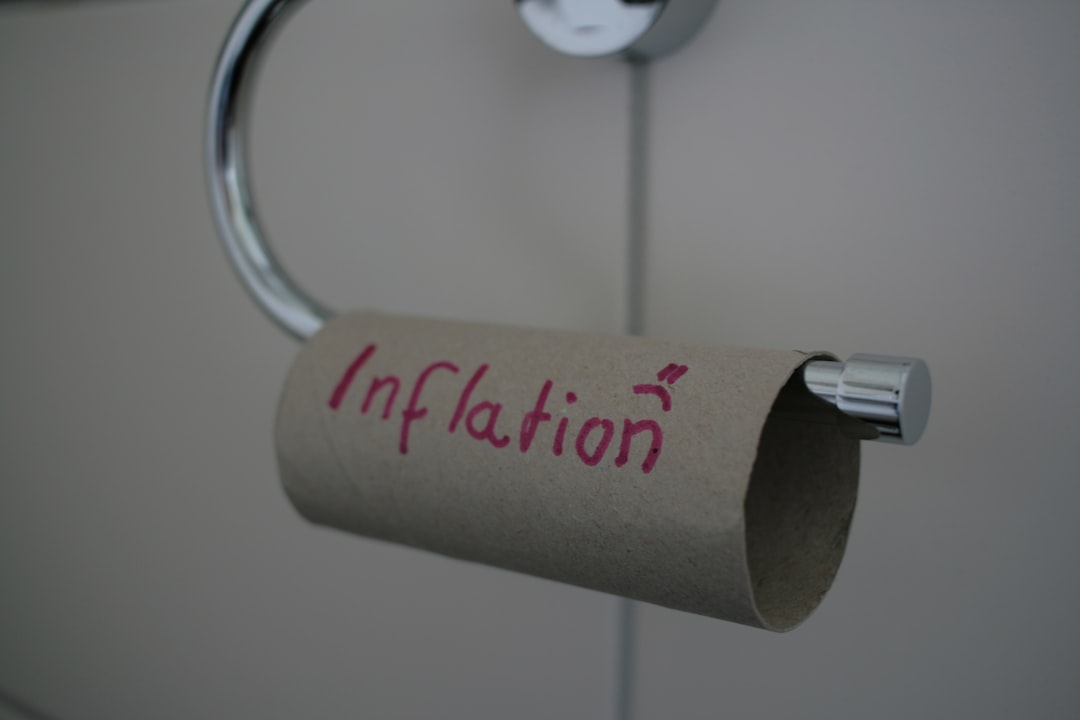
Lead: Inflation’s Real Engine in 2026
Wall Street and Main Street have grown accustomed to the oil price story driving inflation. Yet as the calendar turns to 2026, economists warn that the next round of price gains will come from broader, monetary and demand-driven forces. In plain terms, something will cause inflation this year—but it is unlikely to be the price of crude at the pump.
The clearest takeaway for households and investors is simple: energy markets can wobble, but inflation has a more persistent driver now. The question isn’t whether prices rise, but why they rise and how long the climb lasts. As one senior economist puts it, “something will cause inflation” only if policy and money flow into the economy in ways that outpace growth in productivity and real wages.
Where Inflation Is Coming From in 2026
Three channels dominate the current inflation framework: the monetary impulse, wage growth, and resilient demand from a still-tight labor market. Taken together, they offer a more durable explanation for price gains than any single commodity shock.
- Monetary expansion: The money supply grew rapidly during the pandemic and has remained elevated as financial institutions adjust to higher interest rates and new lending standards. Analysts say money supply growth continues to put upward pressure on prices, even as the central bank calibrates policy.
- Wage growth: Labor markets have shown signs of strength, with wages rising at a pace that outstrips productivity in some sectors. When workers earn more, spending tends to follow, and services prices tend to anchor inflation higher.
- Demand resilience: Consumer demand remains robust in categories like housing, services, and discretionary goods. That resilience keeps inflation from snapping back to pre-pandemic norms, even when energy costs ease.
Economists caution that these forces can interact in tricky ways. If wage gains outpace productivity for an extended period, inflation can become self-reinforcing. If the money supply grows too quickly without corresponding output, price gains can persist longer than anticipated. In short, “something will cause inflation” not because a single commodity jumps, but because multiple levers move in tandem.
The Oil Narrative Fades, for Now
Oil prices remain a wildcard, but their influence on headline inflation has diminished relative to the past. While a sharp run in crude can push gasoline and services costs higher in the short term, the broader inflation regime has shifted toward monetary and wage dynamics. That shift matters for households trying to gauge how different pieces of their bills will evolve.
In practical terms, this means a gas-price spike is unlikely to send the overall inflation rate into a sustained run, unless it’s accompanied by a surge in money growth or a rapid tightening of the labor market that lifts inflation expectations. The oil-price story is old news for some investors, who are now watching money flows, wage growth, and policy signals more closely.
What the Data Are Saying Right Now
While numbers shift month to month, the latest readings reinforce the idea that inflation hinges on monetary and labor-market forces. Here are the trends to watch as the quarter unfolds:
- Inflation measures: Core inflation remains sticky in services, with price gains outside energy contributing a sizeable portion of the advance.
- Wage indicators: Year-over-year wage growth in several sectors remains in the mid-to-high single digits, with pockets of acceleration in high-demand occupations.
- Money-supply momentum: Broad measures of money in circulation and checking deposits show a persistent, albeit moderated, expansion backdrop.
- Labor market: Unemployment hovers around historically healthy levels, but job-creation momentum in some industries shows signs of slowing—raising questions about how long demand can stay elevated.
The takeaway for households is that the path of inflation this year will depend on how these data points interact. A steady rhythm of price gains tied to wages and demand could push core inflation higher than many expect, even if energy costs retreat.
Expert Voices: Why This Year May Be Different
Experts emphasize that the inflation story now centers on policy and financial conditions rather than oil shocks alone. Dr. Lena Ortiz, chief economist at Capital Frontier, explains: “The current inflation regime is more about the pace of money in the economy and how quickly wages rise than about commodity price swings.”
Meanwhile, Marcus Reed, CIO at NorthPoint Asset Management, notes that investors are recalibrating portfolios to reflect a higher-for-longer inflation script: “If something will cause inflation this year, it’s likely to come from policy and labor-market dynamics, not a one-off energy shock.”
Data Snapshot: What to Expect in the Next quarter
Market watchers are closely tracking a handful of indicators that could tilt the inflation trajectory. Here’s a compact read on the data that matters most right now:
- CPI (year-over-year): hovering near 3% as of the latest release.
- Core CPI (YoY): consistently higher, around 3% or a touch more, signaling embedded services inflation.
- PCE Price Index (YoY): close to 2.7% to 2.9%, a gauge the Fed watches for policy signals.
- Unemployment rate: steady in the mid-4% range, offering some cushion but not a full reset to labor slack.
- Money-supply growth (M2, YoY): still in the mid-to-high single digits, providing a backstop for demand-driven inflation.
These numbers aren’t a crystal ball, but they sketch a scenario where something will cause inflation this year through intertwined monetary and wage pathways rather than a pure commodity shock.
What This Means for Households and Savers
For families balancing budgets, the update is both warning and guide. If inflation persists, higher living costs on services and rent could outpace wage gains in some regions, depressing discretionary spending. Savers may benefit from selective investments, but they should remain mindful of inflation’s grip on real returns.
- Household budgets: focus on long-term essentials—housing, healthcare, and education—where price pressures are often most persistent.
- Debt costs: borrowers should consider how rising or sticky inflation affects loan rates and refinancing options.
- Savings strategy: look for assets that hedge against inflation, while staying mindful of the risk-backdrop in rate-sensitive markets.
Ultimately, households should brace for a year where the driving forces behind inflation are less about energy and more about how money, wages, and demand interact under policymakers’ watchful eyes.
Policy Path and Market Reactions
The Federal Reserve faces a delicate balancing act. If inflation remains stubborn, policymakers may keep policy tight longer, reinforcing the drag on growth but helping anchor price expectations. Conversely, signs of cooling inflation could permit a more permissive stance, easing financial conditions without derailing price stability.
Markets have already begun pricing in a slower pace of tightening and greater emphasis on data-dependent moves. Investors are watching for signals about the trajectory of interest rates, the balance sheet of the Fed, and the pace at which the economy can absorb higher prices without tipping into recession.
As one veteran economist noted, “the inflation picture this year will be shaped less by what happens to oil and more by how money and wages move in a still-competitive economy.”
Looking Ahead: What to Watch in the Coming Months
The next quarter will test how resilient the inflation regime remains. Key events to monitor include wage growth reports, service-sector inflation readings, and any shifts in fiscal policy that might affect demand. If something will cause inflation this year, it will likely surface through the data flow—more than through a single commodity spike.
- New wage data by major metropolitan areas for signs of broadening pressure
- Service-sector price trends, particularly in housing, healthcare, and education
- Central-bank communications and policy signals that could alter expectations
- Credit conditions, consumer borrowing, and lending standards that influence demand
For now, the message to readers is clear: inflation in 2026 will be driven by a constellation of forces, not oil alone. If anything will cause inflation this year, it will be a monetary-wage-demand alignment that keeps price gains sticky for longer than expected.
Bottom Line
The old oil-driven inflation narrative is giving way to a broader, more nuanced story. Something will cause inflation this year, but it will likely emerge from how money flows through the economy and how workers are paid—rather than from the price of crude alone. For households and investors, the best approach is to stay data-driven: monitor core price trends, wage momentum, and policy signals, while preparing for a year of gradual, rather than dramatic, price movements.

Discussion