Market Pulse: A Reform Wave Reshapes Travel Pricing
Global travel markets are recalibrating pricing and perks as costs climb and travelers demand more predictability. In the past year, airlines and hotel groups have pursued bundles, higher base fares, and selective perks to stabilize revenue and protect margins. The move is shaping consumer choice, with the industry leaning toward a model that blends transparency with premium options.
Across transportation and hospitality, executives say the goal is not to erode value but to align services with real costs and shifting expectations. Inflation, higher fuel costs, and tighter labor markets have squeezed margins, prompting carriers and resorts to rethink what they offer and what they charge for it. The result is a more segmented market where basic fares compete with paid add-ons and curated experiences.
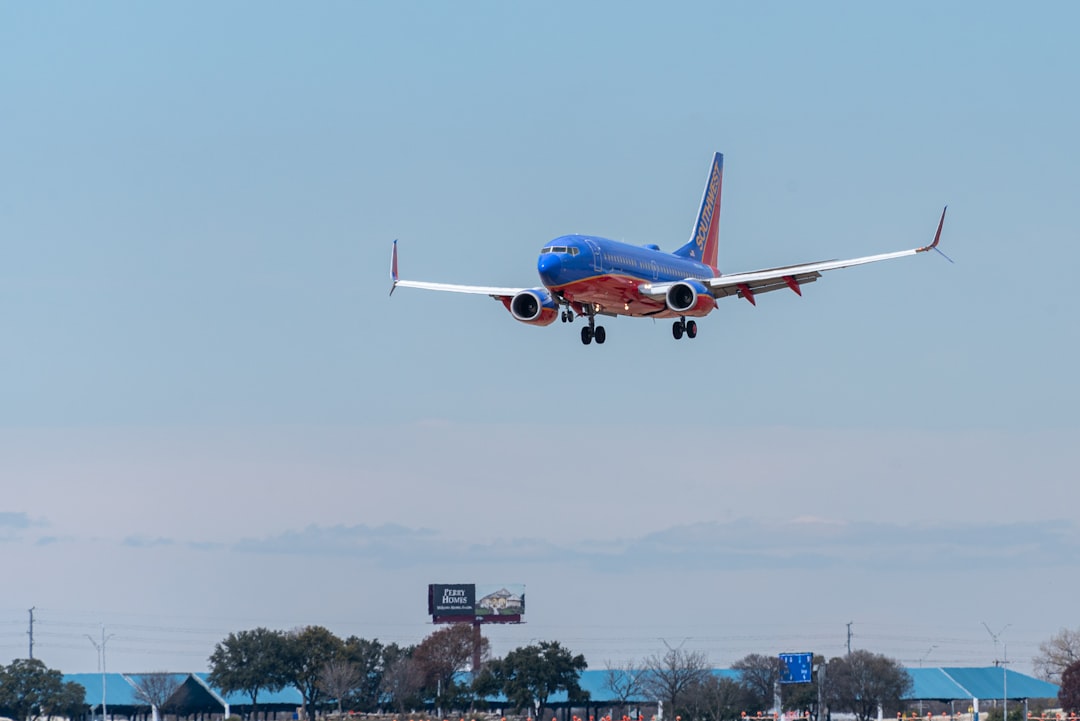
Southwest Overhaul: Open Seating Ends and Bags Go a la Carte
Behind the headline shifts at Southwest Airlines is a broad redesign of the carrier’s value proposition. The airline has moved away from its longstanding open seating approach and introduced a more structured boarding and seating process. At the same time, the policy of two free checked bags has been discontinued in favor of a paid-bag model. The change aims to stabilize revenue per passenger in a period of rising operating costs and greater competitive pressure from both legacy carriers and low-cost rivals.
Industry watchers say the changes are as much about pricing discipline as customer experience. Southwest has also been expanding higher-tier offerings to capture premium spend while maintaining a distinct brand identity that remains focused on efficiency and simplicity. The strategy is not about mimicking the market leader but widening the airline’s aperture to include more premium options within its core framework.
Two key data points illustrate the shift: first, market observers note a meaningful step-up in ancillary revenue as bag fees and other add-ons become more prevalent; second, Southwest’s stock has posted gains this year as investors factor in the transition to a more sustainable, if less “freebie-heavy,” model. The stock outperformed broader benchmarks in the last 12 months, reflecting optimism that the airline can sustain margins through pricing discipline and better cash flow per flight.
MGM Resorts Takes All-Inclusive Path: Perks Meet Package Deals
Hospitality players are following suit with all-inclusive-style offerings that bundle meals, drinks, and experiences into one price. MGM Resorts recently rolled out its first all-inclusive packages at select properties, aiming to simplify guest decisions and improve upfront yield. Early indicators suggest higher guest spend per stay and a stronger correlation between occupancy and revenue per available room when bundles are offered.
The approach mirrors trends seen in other consumer sectors where bundled pricing can smooth demand during peak times and convert casual vacationers into repeat guests. MGM’s move also positions it to compete more aggressively for travelers who want clarity on total costs rather than facing a menu of add-ons after booking.
Analysts note that the all-inclusive push in hospitality is not a uniform play. Some properties pair the package with premium experiences—exclusive dining, curated tours, and loyalty credits—while others test simpler bundles to attract price-conscious travelers who still crave value. Early results show a lift in average daily spend and stronger booking momentum during promotional windows, though the effect varies by market and property type.
Industry Ripple Effects: Bundling and Premium Options Rise
The moves by Southwest and MGM reflect a broader shift in the travel ecosystem. Airlines and hotels increasingly offer a menu of bundles—“base fare plus add-ons” in aviation and “room rate plus meals and activities” in hospitality. The rationale is straightforward: as raw costs rise, up-front pricing that bundles services can improve predictability for both operators and guests.

Other carriers and resort groups are experimenting with similar strategies, including premium seating selections, priority services, and dynamic bundles that adjust with demand. The common thread is a pivot away from blanket freebies toward transparent, value-driven options that align with what guests actually want to pay for. The result could be a more segmented market where loyalty programs and personalized packages drive repeat business.
What This Means for Travelers: Planning in a Bundled World
- Expect to see higher base fares in some routes, offset by bundled savings on bags and meals in others.
- Bag fees are likely to remain a lever for revenue; travelers should factor potential add-ons into trip budgets rather than assuming freebies.
- All-inclusive or bundled packages can simplify booking and reduce post-purchase surprises, but it’s essential to compare total costs across providers.
- Frequent travelers may benefit from loyalty programs that reward bundles or premium seating with clear, upfront value.
For consumers, the shift means rethinking travel budgets and booking strategies. A traveler who spends heavily on meals and activities may save with an all-inclusive package, while a light traveler may prefer a lean base fare with a few essential add-ons. In short, southwest ditched free bags and similar policy changes are nudging buyers toward a more deliberate approach to pricing and perks.
The Road Ahead: Signals to Watch This Summer
As travelers hit the road and skies this season, the industry will reveal which pricing models resonate. Key indicators include changes in ancillary revenue per passenger, occupancy and load factor trends for hotels offering bundles, and consumer responses to dynamic pricing around peak travel windows. Share prices and earnings commentary will also reflect how well carriers and resorts convert bundled pricing into lasting margins.

Experts say the trend toward bundled offerings and premium add-ons could endure beyond a single season if it proves to be profitable and easier to manage from an operations standpoint. The question for investors and consumers alike is simple: will the new pricing mix deliver predictable value when demand shifts? The latest moves by Southwest and MGM suggest the industry is betting on yes, but results will take time to materialize across markets and segments.
Bottom Line: A More Intentional Travel Economy
The travel industry’s pivot—seen in the real-world steps of Southwest ditched free bags and MGM’s all-inclusive trials—points to a broader recalibration. Airlines and hoteliers are embracing pricing discipline and customer segmentation to weather cost pressures and volatile demand. For travelers, the era of all-inclusive options and curated bundles promises more predictability but requires careful budgeting and comparison shopping to uncover real value.
As markets absorb these changes, the next 12 to 18 months will reveal which models deliver durable earnings and which ones fade. The core takeaway remains clear: travelers are navigating a more intentional, price-aware landscape, where the old promise of freebies is giving way to a new calculus of value and choice.


Discussion