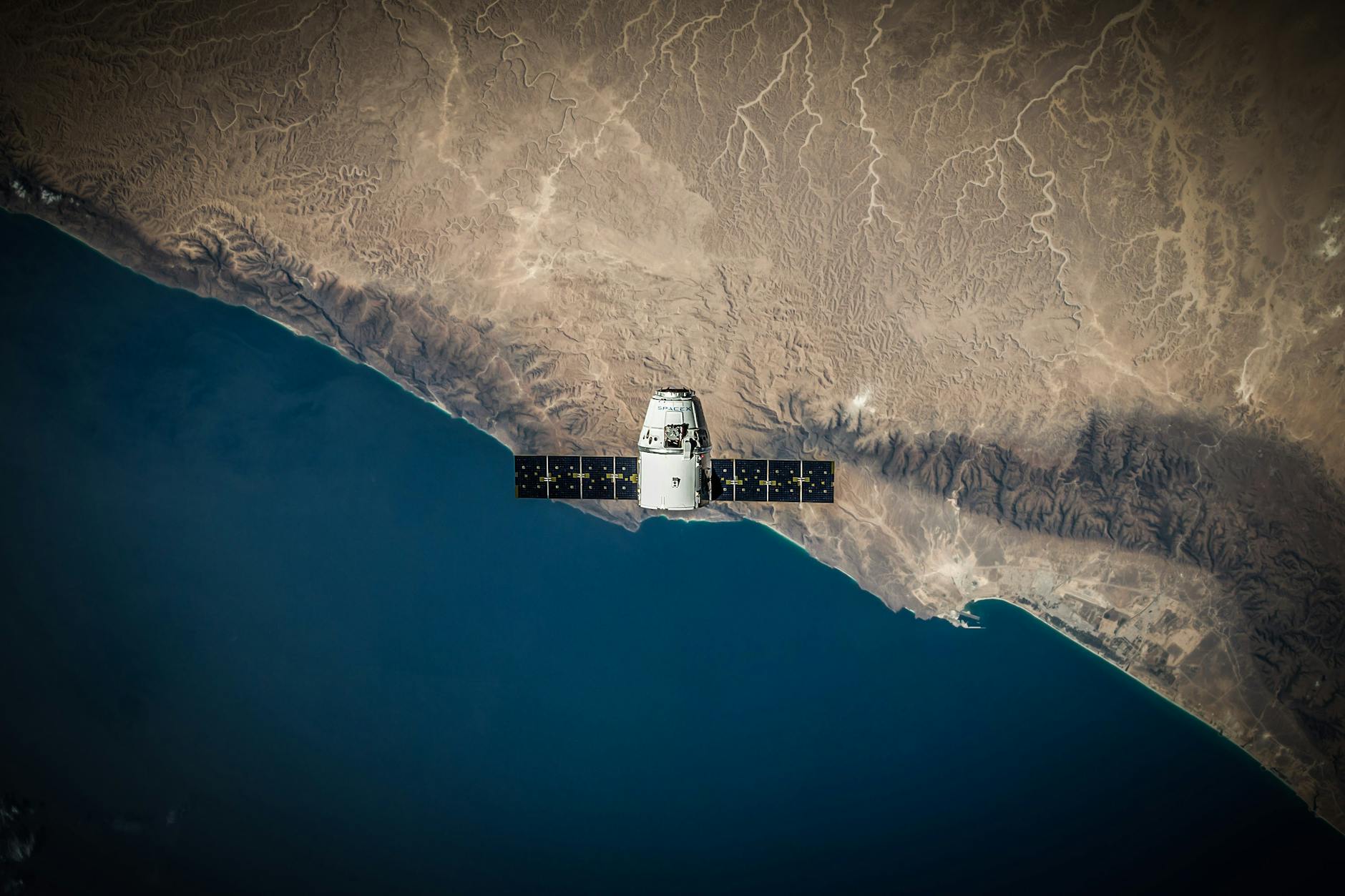
Breaking News: SpaceX Readies Record-Shattering IPO
SpaceX has accelerated its path to a public listing, targeting a mid-June pricing window and a Nasdaq debut the following day under the SPCX ticker. Bankers and executives have signaled a fast-track process, with a formal filing possibly in the next week and a road show to follow.
As chatter swirls that spacex heads into record-shattering territory, investors are weighing the risk and the potential reward of a deal that could redefine how the market values long-horizon tech and space infrastructure.
People familiar with the plan say the company could raise up to $75 billion in primary proceeds, valuing SpaceX at roughly $1.75 trillion. If realized, the offering would top the previous IPO record set by Saudi Aramco in 2019, which raised about $29 billion at a $1.7 trillion valuation.
SpaceX’s leadership argues the business model sits at the intersection of government contract work, commercial launches, and orbital internet services that scale with global demand for space-enabled operations. The result, supporters say, is a durable revenue stream that can withstand cycles in tech funding and defense spending.
The Moat Behind the Offer
Industry insiders describe SpaceX as having a rare, durable moat. The company launches a large share of Western payloads and operates a growing satellite constellation used by businesses, governments, and military customers. Estimates put the company at a dominant position in Western space launches, with a sizable portion of annual launches attributed to SpaceX last year.
Beyond launches, SpaceX’s Starlink network is presented as a strategic advantage, extending internet reach to remote and hard-to-serve markets. Proponents argue this is not just a product line but a platform that supports a spectrum of services from remote operations to disaster response. Supporters contend the combination of launch cadence and satellite infrastructure creates a network effect that’s hard to replicate.
“It’s a truly unique business with what some call the deepest moat that exists today,” one investor said. “This company launches a large share of Western payloads every year. It’s like owning the only undersea cable from the U.S. to Europe—essential for internet access.”
Governance Questions Ahead of the Debut
Alongside the bullish case, governance questions loom over the offering. SpaceX is reportedly exploring a governance framework that could leave founder Elon Musk with outsized control, backed by layers of voting rights and specific arbitration rules. The exact details remain subject to regulatory review and investor feedback, but the plan has already drawn scrutiny from market observers who fear excessive control without corresponding accountability.

The potential structure would likely favor long-term strategy over short-term quarterly performance, a stance some say could align with the company’s capital-intensive growth plan while others worry about minority protections and executive power.
Market Reaction and Investor Sentiment
Market strategists say the IPO could become a watershed moment for mega-deals, potentially reshaping risk tolerance for expansive, mission-driven companies. A veteran portfolio manager commented that the size and scale could attract new pools of capital, but the timeline and governance questions could also temper enthusiasm among more cautious investors.
One early investor noted, “The moat is deep, and the growth runway is long. If management delivers on execution and transparency, the upside could be substantial.”
Another market observer cautioned that the sheer size of the deal means any misstep on regulatory, supply-chain, or geopolitical fronts could amplify volatility during the road show and post-listing trading.
For personal finance readers, the IPO underscores a broader trend: the market is willing to back ambitious, tech- and defense-adjacent platforms if they offer defensible earnings paths and real-scale infrastructure. Yet the risk profile for retail investors remains high, given the complexity and the concentration of governance around a single founder-led leadership team.
What to Watch Before and After the Listing
- Timing and price range: The company is expected to price mid-June, with trading beginning the following day on Nasdaq as SPCX.
- Valuation: A target near $1.75 trillion would crown SpaceX as one of the largest public-market listings in history.
- Use of proceeds: The primary sale would fund expansion of launch capacity, Starlink growth, and ongoing R&D in propulsion and autonomy.
- Regulatory and governance questions: The exact structure—especially voting rights and shareholder-proposal rules—could influence investor interest and long-term incentives.
- Market backdrop: The IPO would come amid a period of higher interest rates and a renewed focus on mega-caps, tech platforms, and defense-related spending in the U.S. and allied nations.
Key Numbers to Watch
- Primary proceeds: Up to 75 billion dollars
- Valuation target: About 1.75 trillion dollars
- IPO pricing timing: As soon as mid-June
- Trading debut: Day after pricing, on Nasdaq, under SPCX
- Scale of operations: More than 10,000 Starlink satellites in orbit
- Market share in launches: Estimated majority of Western payload deployments last year
- Governance framework: Potential long-term control concentrated with founder Elon Musk
The Bottom Line
If the record-shattering plan goes forward as outlined, SpaceX could redefine what investors expect from a public mission-driven enterprise. The combination of a vast moat, a large fleet of launches, and a burgeoning satellite internet business creates a rare growth story. But the size of the deal and questions around governance mean the IPO will be under close scrutiny from regulators, analysts, and everyday investors alike.

As the market digests the details and the road show unfolds, the phrase spacex heads into record-shattering territory may echo through trading floors and financial outlets. For now, the plan marks a bold bet on the future of space-enabled infrastructure, with potential implications for portfolios, ETFs, and the broader tech-finance landscape.

Discussion