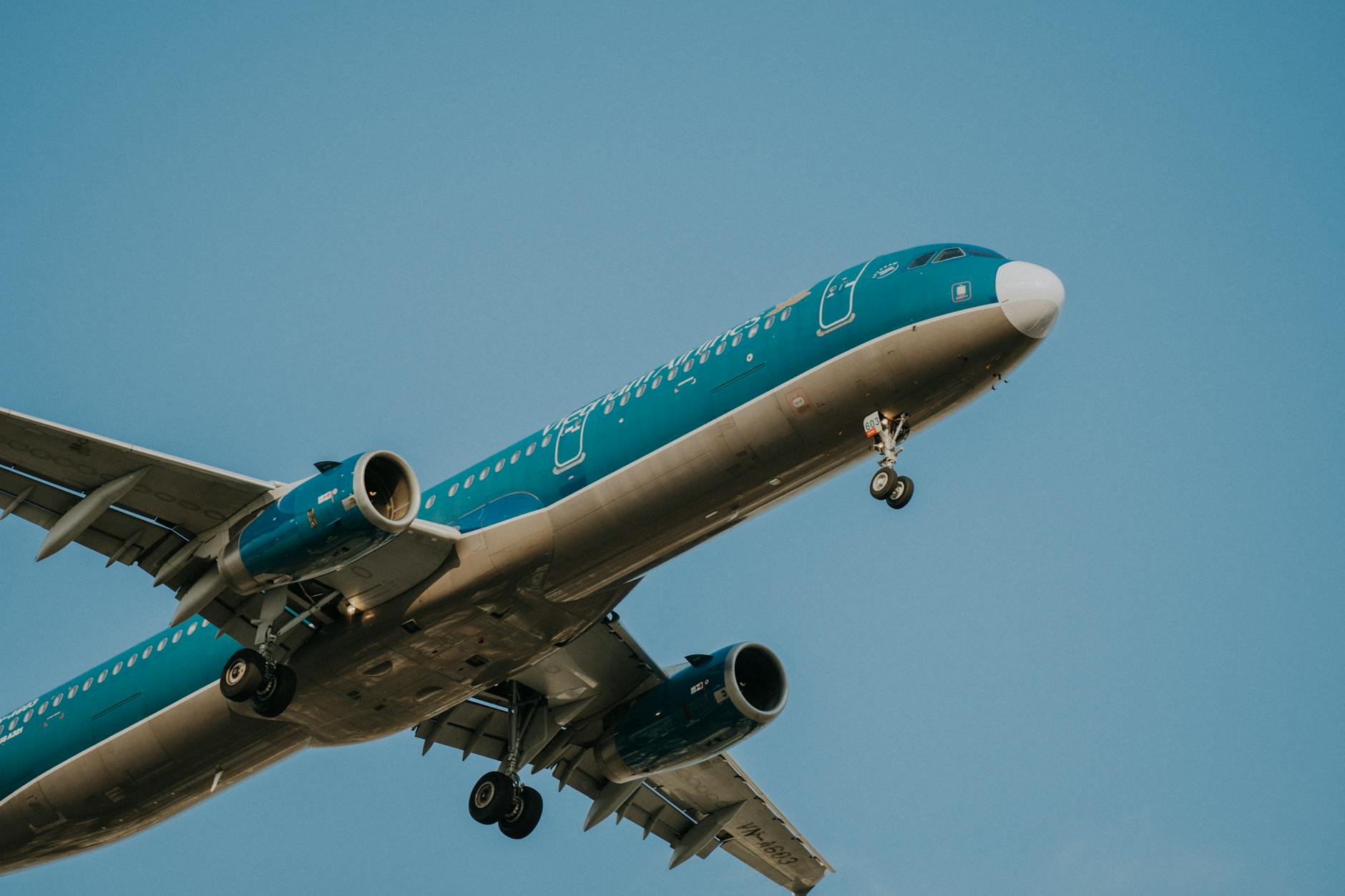
Breaking News: Spirit Airlines shutters after bailout failure sparks travel disruption
In a surprising weekend development, Spirit Airlines announced it would suspend all operations after talks over a federal rescue package collapsed. The ultra-low-cost carrier had been seeking a $500 million federal bailout to stabilize its balance sheet and liquidity amid a harsh funding climate for travel companies. With no government aid forthcoming, the carrier said it would halt flights and begin an orderly winding-down process for customers and creditors.
The shutdown arrives as broader travel demand remains volatile and fuel costs linger above pre-pandemic norms. Investors and travelers alike watched the situation unfold Saturday, as Spirit canceled hundreds of flights and advised customers to seek refunds or alternative arrangements. The company indicated refunds would be processed, but the sudden halt created a scramble for those with upcoming trips and for employees awaiting paychecks.
Market observers describe the weekend events as a turning point for the ultra-low-cost carrier sector, where margins have been squeezed by labor costs, financing challenges, and capital market volatility. "The weekend outcome looks like a watershed moment for ULCCs, underscoring how fragile funding can be when the rescue options dry up," said a veteran airline analyst who asked not to be named. Market chatter since Friday has centered on whether other cost-leadership models can survive without government support in periods of stress.
What happened over the weekend
The company disclosed that operations would cease immediately following the failure to secure the proposed federal aid. Spirit cited the lack of a timely rescue package as the primary reason for halting service, warning that continuing without liquidity would jeopardize customer refunds, supplier payments, and employee compensation. The abrupt move left thousands of travelers stranded or facing last-minute changes to itineraries.
Spirit officials characterized the decision as temporary in intent but necessary under the circumstances. A spokesman said: "We explored every viable option to keep flying, but without an infusion of federal support, the benchmark liquidity needed to operate safely and responsibly was no longer attainable." The company has begun engaging with creditors and regulatory authorities to manage the orderly shutdown process while prioritizing customers and workers who are most affected.
For customers, the immediate concern is refunds and rebooking options. Industry experts say the failure to secure aid could leave a backlog of unfulfilled refunds and unsettled liabilities. Officials estimate refunds owed to customers could reach into the hundreds of millions of dollars, depending on how many tickets were purchased and how many were nonrefundable. Consumers who booked through third-party platforms may face additional hurdles as they seek compensation or rebookings with other carriers.
As of late Friday, Spirit’s shares had slumped, and rival airlines scrambled to reassure customers who might seek alternate travel plans. The broader market environment remains unsettled, with investors weighing the implications for airline debt, equipment financing, and supplier contracts in the absence of government support.
Bailout context and government role
The request for a $500 million federal bailout had become a focal point in a period of tight credit for travel operators. Proponents argued that a rescue would preserve thousands of jobs, protect travelers with fixed-price fares, and maintain routes that support tourism and business travel. Opponents warned that government aid could distort markets by shielding weaker operators from consequences of business-model flaws.
With the bailout not materializing, Spirit faced a stark choice: continue operating at unsustainable cash burn or suspend flights to avert a disorderly collapse. The outcome placed lawmakers, regulators, and industry observers in uncharted territory as they weighed precedent and potential spillover effects on consumer confidence and air service to smaller markets.
The phrase spirit airlines shutters after bailout collapse appeared repeatedly in industry notes and media briefs this weekend, becoming shorthand for the current funding climate facing travel firms with aggressive growth strategies and thin margins. Analysts say the episode could prompt lenders to demand tighter covenants and more robust liquidity cushions from airlines in the near term.
Impact on travelers, employees, and creditors
Travelers face a maze of changes as Spirit winds down operations. Some passengers have already encountered canceled itineraries with limited customer-service options. The company has pledged to honor refunds, but processing backlogs and third-party booking complications may slow efforts to reimburse customers.

Employees are a central concern. Spirit, once a model for low-cost expansion, employed thousands of workers, including pilots, flight attendants, and ground crews. The shutdown threatens payroll continuity and benefits for a large portion of the workforce. Labor representatives say negotiations are underway to minimize disruption, explore severance arrangements, and assist workers with transition plans.
Creditors and suppliers face a murky path forward. With no federal lifeline, the value of Spirit’s fleet and other assets will become the focal point of restructuring talks. Lenders are weighing options for asset-backed loans, lease settlements, and potential re-pricing of equipment financing. A top creditor told reporters that the outcome will hinge on how quickly a restructuring plan can be designed and accepted by regulators and courts.
One traveler, who asked for anonymity, described the moment as a stark reminder of how intertwined travel is with financial stability: spirit airlines shutters after bailout failure underscores the risk of depending on external funding to sustain price-led business models during downturns. The traveler added: "We booked this trip months ago, and now we’re scrambling to find another option on short notice."
What comes next for passengers and the industry
In the immediate term, consumers who booked Spirit tickets will need to pursue refunds through their payment cards or original booking channels. Third-party platforms are facing questions about how they will handle refunds and rebooking in the absence of an operating airline in Spirit’s network.
Regulators will likely scrutinize the wind-down process to ensure consumer protections and orderly asset disposition. Industry observers expect a wave of consolidation among ULCCs as weaker operators face the double pressure of funding constraints and rising operating costs. For travelers, the disappearance of a low-fare option could reduce competition in certain routes, potentially lifting prices on the margins of the travel market.
From a broader market perspective, the shutdown tests the resilience of the travel ecosystem. Airports, airlines, ticket platforms, and hotels all rely on cross-industry liquidity. The absence of a government rescue in this scenario increases the chance that other companies with precarious liquidity will re-price risk, adjust debt covenants, and slow growth plans.
Industry outlook and what to watch
Even as the immediate chaos subsides, the Spirit episode may carry lasting implications for the airline sector. Analysts say the situation could accelerate a shift toward more conservative financing, with lenders demanding stronger equity cushions, longer debt maturities, and clearer recovery plans. The sector’s recovery path will hinge on macroeconomic conditions, fuel costs, and the pace of consumer demand as travel rebounds from recent lows.
For travelers, the key takeaway is to monitor airline balance sheets and funding plans before booking future trips. The episode highlights how quickly a well-known low-cost carrier can be disrupted by funding gaps, leaving customers and workers in the lurch. And it underscores a broader lesson for personal finance: timing and liquidity matter, especially when dealing with discretionary expenses like travel that can be disrupted by sudden corporate changes.
The weekend shutdown of Spirit Airlines shutters after the bailout failure will be studied by policymakers, investors, and travelers for years to come. It serves as a stark reminder that in a volatile economy, access to capital can be as critical as operational efficiency when it comes to keeping flights in the air and budgets in balance.



Discussion