
Lead: Prices Pinch Fans From Stadiums to Sports Bars
In June 2026, a survey of nearly 1,800 sports fans reveals a common refrain: costs are forcing change at every viewing point, from ticketed arenas to local watch parties. The report, conducted for Intuit Credit Karma and carried out by The Harris Poll, finds that roughly one in five fans say rising expenses have pushed them out of watching games at sports bars or at home watch parties altogether. This is more than just ticket price inflation; it is a broader squeeze that spans the entire fan experience.
Forecasts show fans recalibrating budgets as the prices of gear, food, and beverages rise in tandem with game-day demand. Analysts and consumer advocates say the shift is redefining how people engage with sports, turning the traditional fan economy into a two-tier system that favors either premium in-person experiences or affordable, often communal, viewing setups.
“It's cheaper to catch a game with friends at a bar, but even those outings are becoming harder to justify for many fans,” notes Courtney Alev, a consumer finance advocate at Intuit Credit Karma. “The bar scene isn’t immune to inflation, and the math is closing in on the average household budget.”
Two-Speed Fandom: Tickets vs. Bar Costs
The survey paints a two-speed picture of the sports economy. On one side, a sizable share of fans remain loyal to the live game, but they’re increasingly selective about where they spend. On the other, many fans are trimming nonessential viewing avenues to preserve resources for the core game experience. In this climate, the idea of a single, affordable sports lifestyle begins to crumble.
Key data points from the survey include:
- About 44% of fans say they would attend a championship or marquee event regardless of price, while 32% say they would skip if the cost is too high.
- Rising ticket prices are not the only pain point; bar costs have risen, too, squeezing the value of a night out with friends.
- Nearly 20% report they have dialed back bar outings or watch parties in the last month due to higher costs.
This split defines “spectator economics” in 2026, where top-tier live events sit at record price points while the floor of affordable viewing options tightens.
Bar Prices Rise, Changing the Social Experience
Prices in the bar scene have surged as inflation runs hot and service costs rise. A standard shareable order and a couple of pints now carry a higher price tag in many urban and suburban venues, nudging fans toward smaller gatherings or streaming alternatives at home or in community spaces.
Industry observers note these trends aren’t just about the sticker price on a beer. They reflect broader shifts in consumer spending, including transportation costs to venues, parking, and valet services, which compound the total cost of a game night out.
Examples from the market show a pattern: beer prices in sports bars have risen roughly 10–15% year over year in several major markets, while food prices tied to ballpark-style fare have climbed as well. Fans report trading down from premium craft selections to standard options or swapping out long-distance outings for nearby gatherings with friends and family.
Voices From the Front Lines
Fans and venue owners offer a mixed read on the moment. A bar manager in a mid-sized city notes that weekend crowds remain buoyant for marquee games, but the average guest is noticeably more selective about add-ons like large share platters or specialty cocktails.
“We’re seeing more folks come in with a budget in hand and a plan to watch with a smaller group,” the manager says. “Seasonal promotions and loyalty deals help, but they don’t erase the reality that costs have climbed.”
From the fan side, a regional high-school coach who attends college and pro games when possible says the bigger hit is the cumulative burden: tickets, gas, parking, and the bar tab to celebrate or commiserate after a game all add up quickly.
What This Means for Fans and Venues
The idea of the sports economy unaffordable bar is not just a budgeting quirk; it signals a broader recalibration of how fans participate in the sports ecosystem. If the bar scene becomes consistently less accessible, the social fabric around sports—watch parties, fan clubs, and community gatherings—could lose some of its power to bring people together.
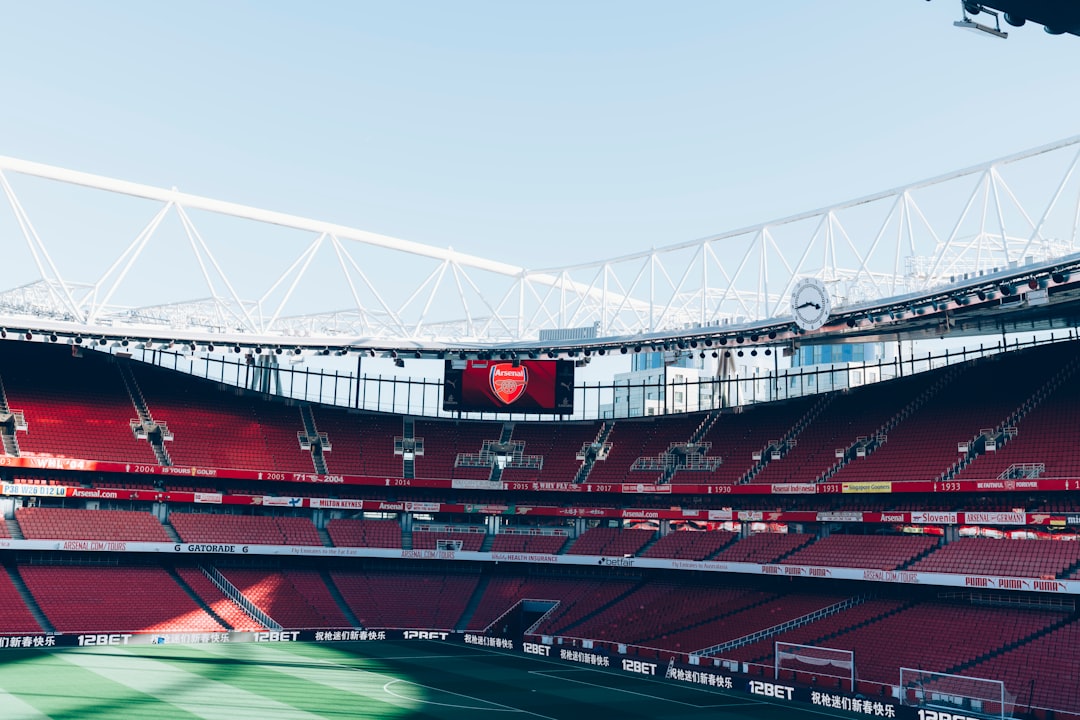
Venues face a balancing act between preserving a welcoming atmosphere and maintaining margins. Some are experimenting with value bundles, such as fixed-price game-night menus, all-you-can-drink options during select windows, or loyalty programs that reward frequent visitors with cheaper access to premium events. Others are leaning into streaming-friendly spaces and outdoor screens to capture walk-in traffic without the same cost structure as a full-service bar.
Policy and Personal Finance Angles
For many households, the tuition of fandom—season tickets, travel costs, and the bar bill—now sits alongside mortgage payments and grocery bills in the family budget. Personal finance experts stress practical steps fans can take to navigate the current landscape while still enjoying their favorite teams.
- Set a monthly sports‑entertainment budget and track it with a simple app or spreadsheet.
- Compare viewing options before a big game—home streaming, local watch parties, and public venues may offer different value depending on location and timing.
- Join loyalty programs or bundle offers that provide predictable pricing and perks during peak game windows.
- Prioritize experiences that deliver lasting value, such as communities or viewing formats that reduce ancillary costs like parking and transit.
Financial counselors point out that recognizing the trade-offs early can help fans avoid taking on debt just for a single event. In the context of the sports economy unaffordable bar, smart budgeting becomes a competitive advantage for households that want to stay engaged without overspending.
What to Watch Next
Analysts expect continued volatility in both ticket markets and bar economics as major competitions intensify and broadcast deals evolve. The coming seasons will likely see more data on how fans value in-person attendance versus social viewing experiences, as well as how venues adjust to shifting consumer behavior. The undercurrent remains clear: the cost of fandom is rising, and the way fans choose to participate will reflect that reality.
Bottom Line
The sports economy unaffordable bar trend is a broad signal about consumer stress and shifting social habits, not a single price tag. As costs rise, fans are choosing between premium, in-person experiences and more affordable, collective viewing options. The outcome will shape how leagues, teams, and bars design pricing, promotions, and community events in the years ahead. For now, the balance sheet of fandom remains the most important metric for both fans and the venues that rely on their loyalty.


Discussion