Big Idea, Small Footprint: Homes as Micro Data Hubs
The electric grid is feeling the pressure from escalating digital workloads, but a growing group of startups is betting that the answer lies not in bigger warehouses, but in smaller, neighbor-friendly data hubs. These ventures aim to install compact compute units—essentially tiny data centers—directly in or beside homes and small businesses. The promise is to reduce peak transmission needs, cut cooling energy, and give households a new role in the AI era.
As of spring 2026, pilots are moving from concept to real-world trials in parts of California and the Southwest, with engineers emphasizing quiet operation, easy integration with home energy systems, and modular upgrades. The work is controversial and ambitious: it sits at the crossroads of technology, local aesthetics, and grid policy, all while trying to answer a simple question for everyday homeowners: what’s in it for me?
Advocates insist that the concept of startups installing tiny data centers in residential spaces could flip the energy-use narrative from high-volume centralized facilities to distributed, demand-responsive nodes. Critics counter that reliability, water use, and upfront costs could offset potential savings if rollout accelerates too quickly. The coming months will test whether this home-first approach can deliver on its grid- and consumer-facing promises.
Pilots, Partners, and Plays for Scale
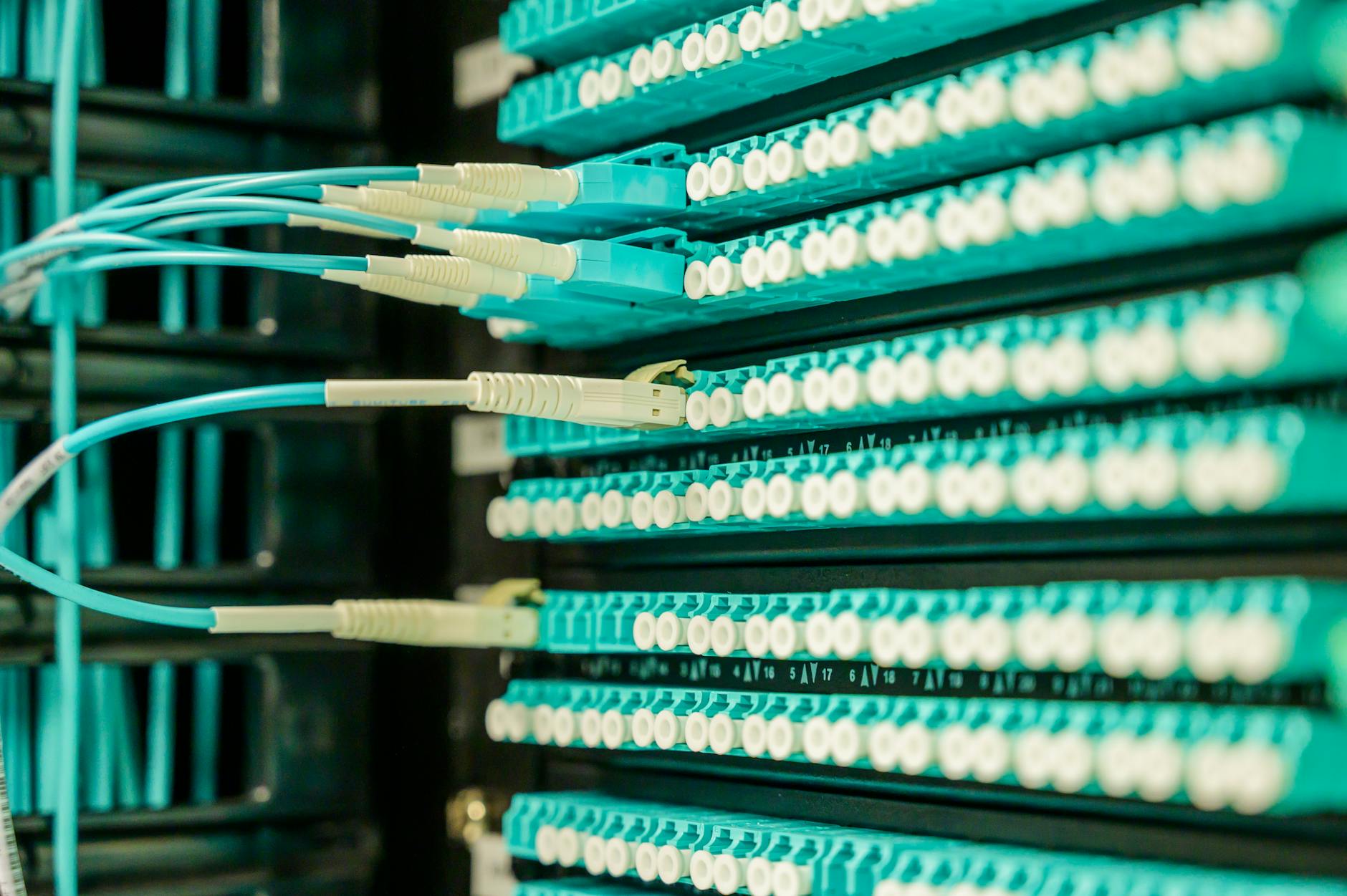
Two notable initiatives have brought weathered industry players into the same room with homeowners. A California-based startup, working with a leading chipmaker, has begun placing cabinet-sized compute units on the exteriors of select homes and small businesses. The units are designed to operate without noisy cooling fans, addressing one traditional nuisance of data centers that draws neighborhood opposition near large facilities.
In a related venture, a major homebuilder is testing the system in new subdivisions, evaluating how these mini nodes can work with standard insulation, solar generation, and home energy management systems. The hardware relies on liquid cooling and compact GPUs to deliver AI-ready compute while staying well within residential noise and footprint guidelines. The exact hardware mix is evolving, but executives emphasize durability, safety, and simple maintenance for non-technical homeowners.
“The path to meaningful capacity.” one executive involved in the program said, “will be measured not just in megawatts but in how we decouple compute demand from the spike in grid stress.” The teams say they expect early pilots to yield a few hundred kilowatts of usable capacity per site, scaling across neighborhoods as installation logistics and consumer incentives improve.
Key players stress the potential for nationwide deployment over the next 12 to 18 months, with an eye toward contributing hundreds of megawatts—if not more—at the pace the grid can absorb. The push aims to align with broader utility programs, such as demand response and time-of-use pricing, to reward households and small businesses that host these tiny data hubs during peak periods.
Economic Reality for Homeowners and Utilities
From the outset, the business model hinges on shared value: homeowners gain a more predictable energy bill and potential incentives, utilities gain a more flexible demand profile, and the broader economy gains resilience against AI-driven demand surges. The math remains under review, but several pilots outline these basic economics:
- Installation and integration costs are designed to be modular, with options for phased upgrades tied to existing home electrical panels.
- Operators anticipate annual operational costs that compete with traditional data-center cooling and power budgets, thanks to direct-to-consumer models and reduced cooling loads.
- Utility partners are exploring payments for load-shifting during peak hours and for providing baseline compute capacity to support grid stability.
- Homeowners could see more stable electric bills if the system participates in demand response programs and gains access to favorable time-of-use rates.
Proponents say startups installing tiny data centers could create a new class of consumer-facing energy technologies that blend software, hardware, and local energy markets. They point to a future where a neighborhood could host multiple micro-nodes, collectively forming a city-scale data mesh that reduces long-haul transmission and potentially lowers wholesale electricity costs during critical windows.
Yet the economics are nuanced. Early analyses show payback periods that depend heavily on local electricity rates, hardware costs, and the speed at which utilities adopt companion programs. Even optimistic projections acknowledge that home-hosted units will not replace large data centers overnight, but could complement them by providing flexible, distributed compute resources during peak demand.
Grid, Environment, and Community Considerations
The environmental argument is a cornerstone of the movement. Supporters emphasize the potential for reduced cooling water use, improved efficiency through distributed operation, and less transmission loss over long-haul lines. Critics urge caution on water use in hotter climates, potential overcrowding of neighborhoods with cabinet-sized units, and the need for robust cyber and physical security in homes that host critical compute equipment.
Regulatory scrutiny is part of the early conversation. Utilities and regulators are examining how to integrate these devices into existing energy plans, how to quantify their contribution to reliability, and how to ensure consumer protections around data privacy and up-front costs. A spokesman for a major state utility noted that the industry is still defining measurement standards for distributed compute resources, but sees a path forward through pilot programs and performance-based incentives.
From a climate accounting perspective, the innovative model could tilt marginal energy use in ways that reduce or redistribute carbon emissions, depending on the energy mix of the grid and the efficiency gains from the hardware. Analysts caution that the impact will vary by region, time of day, and policy design, making broad claims difficult in the absence of long-running data from real-world deployments.
What Homeowners Should Know
For residents curious about hosting a tiny data node, several practical questions are already in focus. Installation involves electrical panel access and a secure mounting solution; most plans require a dedicated circuit and a modest space near an exterior wall or garage. Maintenance is framed as minimal, with remote monitoring and periodic check-ins rather than on-site visits for routine upkeep.
Financial terms are typically a mix of upfront equipment costs, potential subsidies, and ongoing service charges. In exchange, homeowners may receive access to stabilized electricity pricing, local visibility into energy use, and the ability to participate in grid-balancing programs when available. As with any new technology, consumer education will be essential to ease adoption and ensure expectations align with performance realities.
In the broader discourse, the phrase startups installing tiny data centers in homes occupies a central role as policymakers, utilities, builders, and residents seek a path that preserves reliability while easing grid stress and limiting power spikes.
The Road Ahead
As pilots scale, the conversation will shift from proof of concept to standardized practices: cost curves, safety and security protocols, consumer protections, and transparent impact assessments. The industry is betting that the next wave of innovations will be guided by the patterns of response: how quickly households agree to host, how well utilities integrate the capacity, and how regulators set rules that ensure fair access and predictable pricing.
In a market where energy prices and data demand are increasingly volatile, the concept of decentralizing compute to homes could prove a compelling answer for some communities. The coming months will reveal whether this model can deliver the reliability and cost benefits that backers claim, or whether it remains a niche experiment in the broader data economy.
Bottom line: the idea of startups installing tiny data centers in homes represents a bold experiment at the intersection of tech, energy, and everyday life. If it gains traction, it could reshape how the country manages digital demand—one house at a time—and add a new dimension to personal finance as households weigh the costs and benefits of hosting compute assets in their neighborhoods.

Discussion