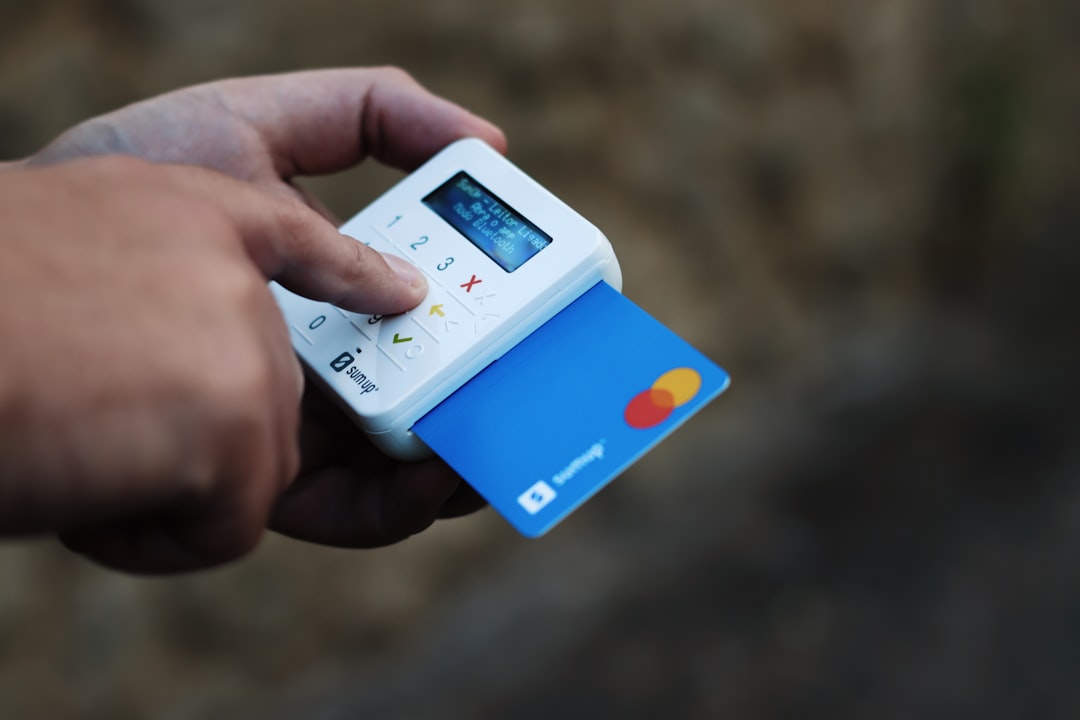
Hooking You In: The Quiet Threat Behind Everyday Tap Payments
Imagine paying at a store with just a tap on your phone, picking out a couple of gift cards, and walking away. Nothing dramatic, no loud alarms—just a quick payment and a quick exit. What you don’t see is a growing criminal playbook built on stolen data, digital wallets, and the quick turnover of gift cards. In this new model, the phrase stolen cards being loaded isn’t a headline about a bank heist; it’s a practical description of how fraudsters move value through the system. Researchers, police, and banks now say this pattern is reshaping retail crime across the United States and could total up to the $1 billion mark each year when all losses are counted. This article breaks down how stolen cards being loaded happen, why they’re so effective, and what you can do to protect yourself and your money.
Why This Trend Feels Different: The Mechanics Behind stolen cards being loaded
Traditional card fraud often relied on stolen card numbers used in familiar ways. The new variant shifts the focus to the combination of data theft, digital wallets, and near‑field communication (NFC) taps at checkout. Here’s how the sequence typically unfolds and why it pays for criminals to use stolen cards being loaded.
1) The data theft precedes the sale
Fraud begins long before a shopper touches a terminal. Criminals harvest card details through phishing messages, breached retailer databases, and credential ads in dark‑net markets. Victims may click a fake delivery alert, a bogus tax notice, or a convincing security alert that asks for card data and personal information. Once criminals have enough data, they try to move a card into a digital wallet or a secondary payment account controlled by the fraud ring. This is where stolen cards being loaded becomes the key step that makes the rest possible.
2) The card becomes a digital key, not a plastic card
With the card data loaded into a digital wallet, the criminal no longer needs the physical card. In many cases, the wallet is set to auto‑fill or requires just a quick tap to authorize a purchase. The transaction can look like a normal tap at the register, a rapid gift card purchase, and a quick exit. Since the real cardholder is not physically present, the break can go unnoticed until a bank alert, a chargeback, or a consumer dispute surfaces.
3) Gift cards turn data into cash, fast
Gift cards are especially attractive to fraud rings because they are easy to buy with stolen data, easy to convert to other forms of value, and easy to resell or use quickly. After tapping to buy gift cards or high‑value items, criminals often liquidate the cards, ship products, or stockpile the cards for later use. Gift cards can be moved between accounts with relative speed, and discounts on resales add an extra lure for criminal operators.
4) Why this pattern can be hard to detect at the point of sale
Cashiers and self‑checkouts may see a completed payment, yet the legitimate cardholder remains unaware until weeks later. The combination of a fast tap, a legitimate receipt, and a victim with no immediate signs of fraud at home can delay detection. That delay is exactly what makes the stolen cards being loaded model so dangerous for both retailers and consumers.
The Magnitude: How big is the problem?
Industry observers cite a growing wave of organized retail crime that stretches beyond a single store or city. Law enforcement officials have described these schemes as highly coordinated, often operated by groups with multiple members who specialize in data theft, digital wallets, and payment manipulation. Estimates circulating in industry reports peg annual losses from these types of fraud at as much as $1 billion nationwide. While the exact dollar figure is debated and constantly evolving with new cases, the trend is clear: stolen cards being loaded represent a material risk that crosses digital and physical borders.
To put the scale in perspective, consider how quickly a single compromised card can be loaded into a digital wallet and turned into several gift cards or high‑value purchases in a single day. Multiply that by dozens of wallets controlled by a single operation, and you have a plausible path to multi‑million dollar daily turnovers across a region. Retailers, payment networks, and law enforcement agencies have responded with a mix of stronger card‑present protections, better data monitoring, and consumer education campaigns, but criminals adapt fast—making continued vigilance essential for everyone involved.
Who is at risk and what to watch for
Any consumer who uses card data digitally is a potential target. Here are the common patterns and risk indicators you should know:
- Phishing and credential theft: You might receive a fake alert or an urgent message prompting you to enter card details on a counterfeit site. Even legitimate looking messages can be used to harvest data if you click through too quickly.
- Account takeovers: If criminals gain access to an online retailer or wallet account, they may load cards or authorize purchases under your name before you notice.
- Unusual purchase patterns: Multiple small gift card purchases within a short period, or new devices attempting to sign in from unfamiliar locations, can signal tampering.
Protecting yourself: practical steps to reduce risk
Taking proactive steps can reduce your exposure to stolen cards being loaded and related fraud. Here is a practical, action‑oriented playbook you can start using today.
1) Tighten how you share card data
- Use virtual or disposable card numbers for online purchases when offered by your bank or card issuer.
- Avoid auto‑saving card details on shopping sites unless you truly need the convenience, and regularly review saved cards in your wallets.
- Set alerts for every purchase, especially those from unfamiliar merchants or large gift card orders.
2) Strengthen tap‑to‑pay and wallet security
- Disable tap payments on your phone when not in use, or require a fingerprint/face ID for every payment above a small threshold.
- Keep your digital wallet software up to date with the latest security patches.
- Review recent wallet transactions weekly to catch anything unfamiliar early.
3) Build a habit of monitoring bank activity
Set expectations that you’ll review statements at least weekly, not monthly. Look for small, recurring charges you don’t recognize, or sudden changes in limits and spending patterns.
4) Learn to spot phishing and social engineering
Phishing attempts are often convincing because they imitate real brands. Check the sender’s email domain, don’t click from messages—go directly to the official app or website, and report suspicious messages to your bank.
What retailers and banks can do to curb stolen cards being loaded
While individual vigilance is critical, industry players have tools at their disposal to close gaps that criminals exploit. Some of the most effective measures include:
- Tokenization and device binding: Turn card numbers into tokens that are useless if stolen. Bind tokens to a specific device or wallet so they cannot be used elsewhere.
- Enhanced merchant controls: Flag unusual gift card purchasing patterns, such as large orders placed from a new device or IP address.
- Risk‑based authentication: Apply stronger checks for high‑risk transactions, including those involving high‑value cards or rapid successive purchases.
- Cross‑checks across channels: If a card is suspected of being compromised, automatically restrict its use across online and in‑store channels until verification is complete.
Real‑world examples and lessons learned
Across the country, investigators have documented cases where criminals leveraged stolen card data to load digital wallets and quickly convert that data into usable value. While each incident varies, the common thread is a pipeline that starts with data theft and ends with a seamless in‑store purchase that looks legitimate to cashiers and point‑of‑sale systems. These examples reinforce why protecting data at every step—from password hygiene to wallet security and retailer risk controls—is essential for both individuals and businesses.
Putting it all together: a simple game plan for 2026
Stolen cards being loaded represents a multi‑stage threat that blends cybercrime with everyday shopping. If you want a simple, repeatable plan, try this:
- Protect your data: use MFA, virtual cards, and regular account reviews.
- Guard your devices: keep software updated, and enable wallet security features.
- Monitor transactions: set fast alerts, review weekly, and report anything unfamiliar.
- Educate household members: share quick tips about phishing and safe online behavior.
- Support responsible retailers: choose merchants that tokenize data and prioritize payment security.
Conclusion: Stay vigilant in a changing fraud landscape
The idea of stolen cards being loaded into digital wallets captures a broader truth about modern retail crime: the line between online data theft and in‑store fraud has blurred. The rise of tap‑to‑pay and gift card resale networks means criminals can move value quickly and quietly, and the losses can be large enough to affect retailers, card networks, and even consumers. By understanding how these schemes work, adopting practical protective steps, and encouraging stronger security practices at the point of sale, you can reduce your risk and help push back against this $1B trend.
FAQ
Q1: What does stolen cards being loaded mean for my everyday purchases?
A1: It refers to criminals transferring card data into digital wallets and using those wallets to make quick purchases, often gift cards, which can then be resold or cashed out. Awareness and quick reporting are key to minimizing impact.
Q2: How can I tell if my data was compromised?
A2: Look for unexpected card activity, new devices attempting to access your wallet, or alerts about purchases you didn’t make. If anything looks off, contact your issuer immediately and consider resetting passwords and re‑issuing cards.
Q3: Are there specific steps I should take at the store?
A3: Use tap payments only when you recognize the terminal, keep a quick eye on receipts, and if a payment seems unusually fast or there’s a discrepancy, pause and verify with the cashier or your bank.
Q4: What can retailers do beyond consumer education?
A4: Implement tokenization, device binding, and real‑time risk checks, plus cross‑channel monitoring to limit how quickly stolen data can be used across platforms.


Discussion