Overview
A powerful March storm sweeping from the Midwest to the Northeast has grounded a vast share of air travel. As of 7 a.m. ET Monday, more than 1,800 flights within, into or out of the United States had been canceled, according to flight-tracking firm FlightAware. In addition, roughly 1,200 flights were delayed, turning the travel week into a scramble for passengers and airlines alike.
The disruptions come at a peak travel moment: spring break is in full swing, and families as well as business travelers are contending with disrupted schedules and costly last‑minute rebookings.
Where the disruption hit hardest
Airport congestion is skewed toward major U.S. hubs, with the New York metro airports bearing a heavy load. Cancellations tallied as follows: LaGuardia Airport, 149 flights; John F. Kennedy International Airport, 88; Boston Logan International, 63; and Newark Liberty International, 27. Chicago O’Hare International Airport emerged as another major pain point, reporting 133 canceled departures and 202 canceled arrivals in the latest data.
Beyond these centers, widespread volatility stretched from the East Coast to the Midwest and parts of the South. Airlines and regional carriers alike were forced to slow schedules and reroute flights as crews and equipment were redirected to safer operations amid the storm.
Airlines most affected
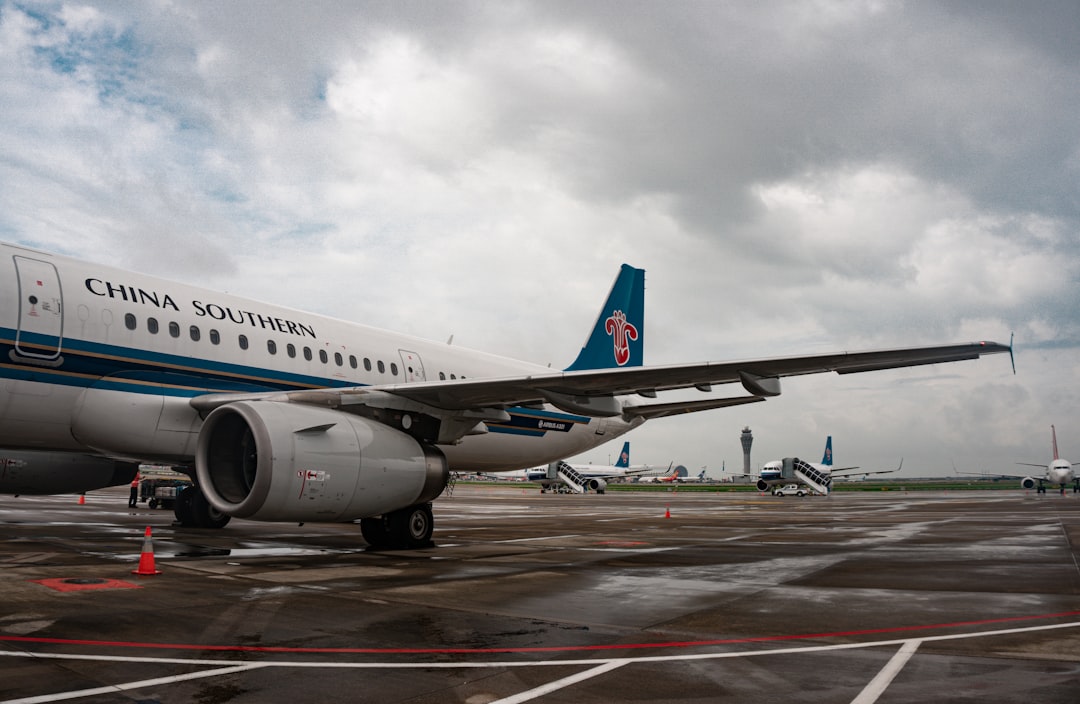
FlightAware tracked a broad swath of cancellations across the country, with several carriers bearing the brunt of the outages. The most affected airlines included:
- Endeavor Air: 278 cancellations
- Southwest Airlines: 265 cancellations
- Delta Air Lines: 231 cancellations
- American Airlines: 181 cancellations
- Republic Airways: 171 cancellations
- SkyWest: 156 cancellations
Other major hubs showing significant disruption included Atlanta’s Hartsfield-Jackson International, Baltimore/Washington International, and Orlando International, signaling a widespread impact across several regions rather than a single fault line.
Travelers face a waiting game
Travelers confronted with cancellations faced a mix of rebooking headaches and price pressures. Some markets offered relief through airline waivers, allowing free changes for travelers with impacted itineraries. But changes often meant longer layovers, overnight stays, or hefty hotel bills for those stranded far from home.
"This storm is forcing people to adjust plans at the last minute, especially families with kids who were counting on spring break getaways," said Maya Chen, a travel industry analyst. "Airlines are sprinting to re-optimize schedules, but the capacity to recover quickly is uneven, depending on the region and airline."
Compounding the frustration, weather-related delays can cascade through the network. A single canceled leg in a major hub can trigger missed connections and cascading rebookings, amplifying costs and time spent in airports.
Financial toll for travelers and airlines
Beyond the obvious inconveniences, the disruption has financial implications for travelers and the broader consumer market. Families scrambling to secure new tickets during peak spring travel often face higher fares and additional hotel or car rental costs. Those with flexible policies or travel insurance may recover some expenses, but coverage varies by policy and provider.
From the carrier side, the storm tests balance sheets and capacity planning. Airlines have to balance the costs of crew reassignments, overnighting aircraft, and potential compensation with the need to maintain reliability in busy travel corridors. Early indicators show airline stocks trading mixed as investors weigh near-term pain against the longer-term push to normalize schedules.
What travelers should know now
- Check flight statuses frequently — systems and gates can change rapidly as crews are reassigned.
- Know your rights on cancellations and delays; many carriers offer rebooking or refunds for significant disruptions, but rules vary by ticket type and route.
- Consider fare flexibility: if you can rebook without penalties, a new itinerary sooner rather than later may save time and stress.
- Monitor weather alerts and airport advisories for alternate routes or nearby hubs less affected by the storm.
- Protect trips with travel insurance or credit-card benefits that cover weather-related interruptions, and keep receipts for potential reimbursement.
What to watch next
Meteorologists say the storm’s path could continue to influence schedules into the middle of the week, with crews working to restore routine service in stages. Airlines have begun layering contingency plans, including adding back-up crews and opening spare aircraft on some routes to shorten recovery times. The transport sector will also keep an eye on fuel costs and operational constraints as the weather system interacts with ongoing capacity pressures in several markets.
Bottom line
As the March storm rages across air corridors, travelers are wrestling with disrupted plans, higher costs, and a broader sense of uncertainty about when normal schedules will return. The current tally of more than 1,800 flights canceled highlights how quickly a weather event can upend travel plans in a crowded, interconnected network. For families and business travelers alike, the coming days will test patience, flexibility, and the financial resilience to absorb delays and rebookings.
Discussion