Opening The Strait: What The Latest Readouts Show
The Strait of Hormuz remains a focal point of geopolitics, but fresh shipping data indicate traffic is more robust than early fears suggested. In the past two months, U.S. forces counted nearly 1,000 commercial vessels transiting the corridor — roughly 17 ships per day — a pace that hints at stronger route utilization than many observers expected after the latest clashes.
The official tally sits well below the pre-war norm of more than 100 ships per day, yet it marks a meaningful uptick from several late-wade estimates. Private trackers and government data diverge on the exact level, but the trend line is clear: the strait hormuz more open than thought, at least for the moment.
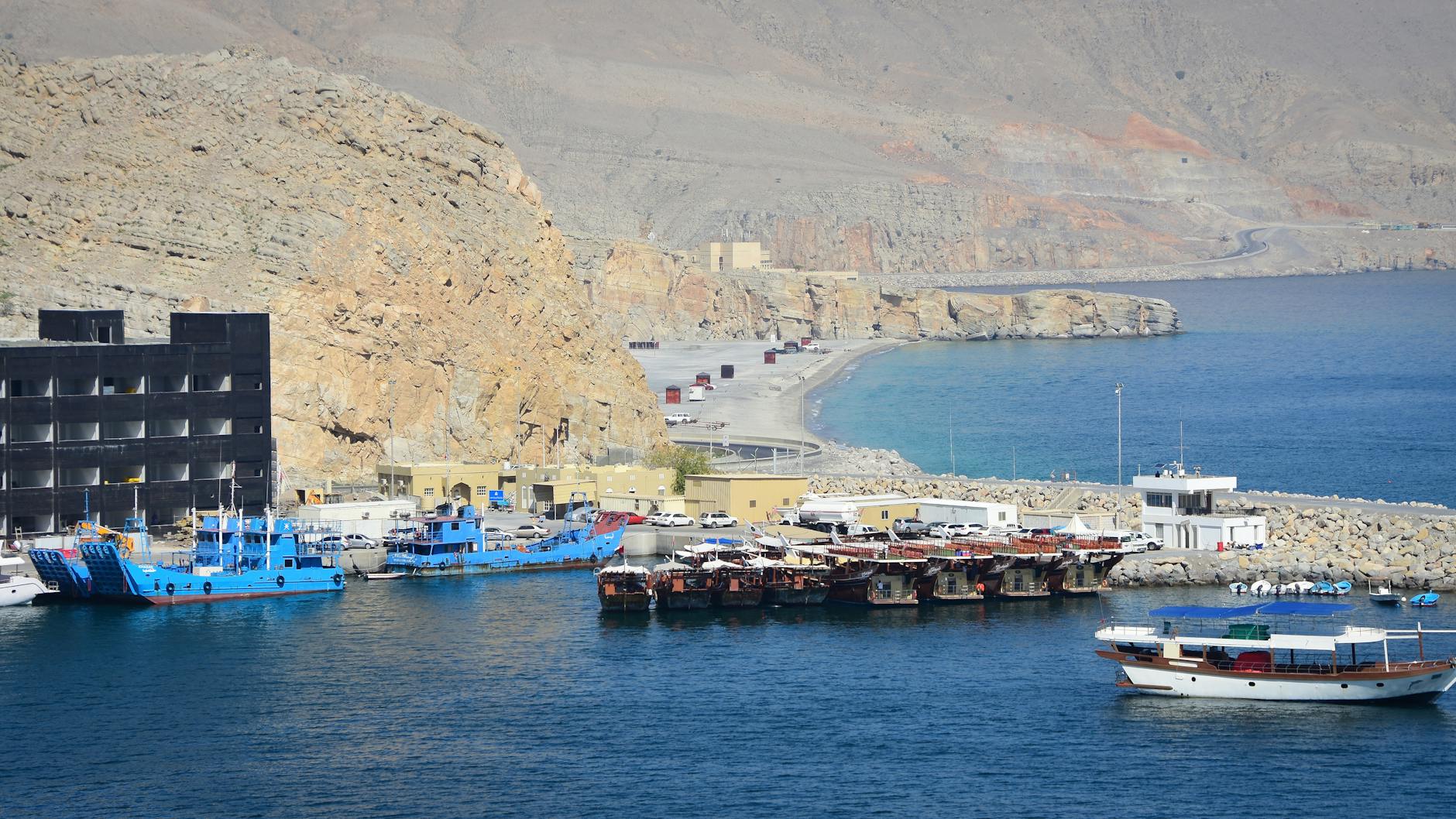
Analysts note that the surge in traffic reflects a mix of direct routing and detours. Some vessels have turned off their Automatic Identification Systems (AIS) temporarily or used alternate lanes along Oman’s coast to skirt the Iran-controlled entryways. The result is a composite picture of higher throughput than some early war-period projections suggested, even as authorities warn of ongoing risk.
- Nearly 1,000 commercial vessels moved through in the last two months
- About 17 ships per day, versus more than 100 per day before the war
- U.S. Navy data: 558 cargo ships and oil tankers crossed March 1 – June 3
- Maritime data group Kpler: 895 ships crossed March 1 – May 19
- 1,000-ship figure includes AIS-off vessels and diversions along Oman’s coast
While the overall traffic picture improves, it’s not a complete normalization. Industry observers caution that the 1,000-ship tally probably counts ships that did not travel a single, straight path and may reflect multiple routings rather than pure march-through numbers. Still, the reality on the water is that movement has picked up from the nadir earlier in the conflict.
Naval Actions and Current Routes
The combat theater around Hormuz continues to shape how leaders manage risk and how shippers plan trips. The Islamic Revolutionary Guard Corps (IRGC) established a sanctioned lane early in the crisis, setting tolls for permitted vessels and warning off those that attempt unauthorized crossings. In response, the U.S. Navy has conducted mine-clearing operations and temporarily re-established free passage near Oman’s coast.
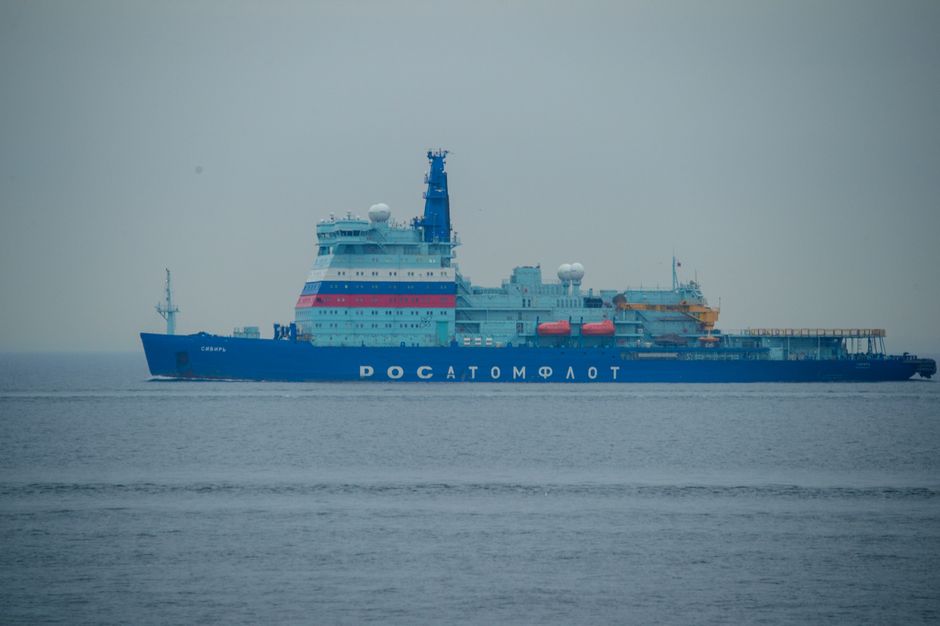
Last month, a joint effort known as Project Freedom aimed to accelerate safe passage by coordinating with allied counterparts and private carriers. Although that initiative ran only a few days, it underscored Washington’s strategy: create safe corridors while maintaining a credible deterrent against disruptions.
Today, the U.S. continues to quietly assist ships navigating the strait, prioritizing safety and operation continuity for global freight. A government spokesperson emphasized that the mission remains deconflicted and focused on protecting civilian shipping lanes.
Admiral Samuel Ortiz, commander of U.S. Naval Forces in the region, framed the approach simply: "We will keep overwatch over critical passages and ensure safe, predictable passage for ships that need to move goods and energy around the world." In practice, that means a steady presence of surface ships and air surveillance near key waypoints, even as the IRGC’s lane persists alongside other routes.
Industry observers say the evolving map of passages matters as much for planning as for risk. The Omani route, used to bypass the IRGC lane, has been a focal point for shippers seeking to minimize delays, though it can involve longer distances and different navigation considerations.
Impact On Household Finances
For households and investors, the evolving picture of the Strait of Hormuz changes the way energy and freight costs feed into everyday prices. When passage becomes comparably smoother, some shipping costs may ease, potentially slowing upswings in consumer prices tied to import-heavy goods. At the same time, the region’s volatility keeps energy markets sensitive to every geopolitical blip, which can translate into wider price swings at the pump and in electricity bills.
Here’s how the shift toward a strait hormuz more open could play out for personal finances:
- Freight rates and insurance: A more stable transit flow can soften extreme spikes in freight and cargo insurance costs, helping value chains that rely on imported goods and components. Yet risk premiums may persist due to ongoing geopolitical concerns.
- Energy prices: Oil benchmarks often move on regional risk sentiment. Even with improved routing, the threat environment could sustain higher volatility, affecting household energy budgets and consumer prices.
- Supply chain visibility: Real-time data on vessel movements may improve, allowing importers and retailers to forecast restocking timelines and price changes more accurately.
Analysts caution that stability at sea does not automatically translate into lower prices across the board. The global market is juggling multiple influences — currency dynamics, demand recovery, and procurement strategies — all of which can mute or amplify the flow of goods through Hormuz.
For families, the practical impact will show up in everyday items that rely on international shipping, from electronics to groceries. The current environment suggests a careful watch: if the Strait stays comparatively open, a modest easing in some costs could trim pressure on household budgets; if tension spikes again, price pressures could re-assert quickly.
As buyers scout shelves and investors scan markets, the phrase strait hormuz more open keeps recurring in briefing papers and market commentary. The idea is not a guarantee of calmer seas, but a signal that the most acute choke points might be less restrictive in the near term. In other words, the shipping lane’s status is a live barometer of both risk and opportunity for personal finances.
What To Watch Next
Here are developments to keep an eye on in the weeks ahead:

- Updates on IRGC lane activity and any toll adjustments that could alter routing choices
- Shifts in private-sector shipping insurance premiums as risk assessments evolve
- Marketplace signals in crude and refined product prices as the route’s status is tested by incidents or weather
- New data releases from shipping trackers and government agencies that refine the pace of vessels crossing the strait
In short, the strait hormuz more open may be a temporary, tactical condition rather than a long-term trend. For households and traders, the key is to distinguish short-term relief from persistent risk, and to budget for continued volatility in energy and transport costs as geopolitical dynamics unfold.
Investor and Policy Watch
Policy makers and market participants are watching the Strait of Hormuz with a fresh lens as the data stream grows more granular. The combination of ongoing naval overwatch, a functioning but contested passage system, and the potential for price swings in oil and freight is shaping both central bank expectations and corporate budgeting. For now, the emphasis is on resilience: diversified supply chains, flexible procurement, and prudent hedging to weather a landscape where the strait hormuz more open can coexist with renewed disruption risks.


Discussion