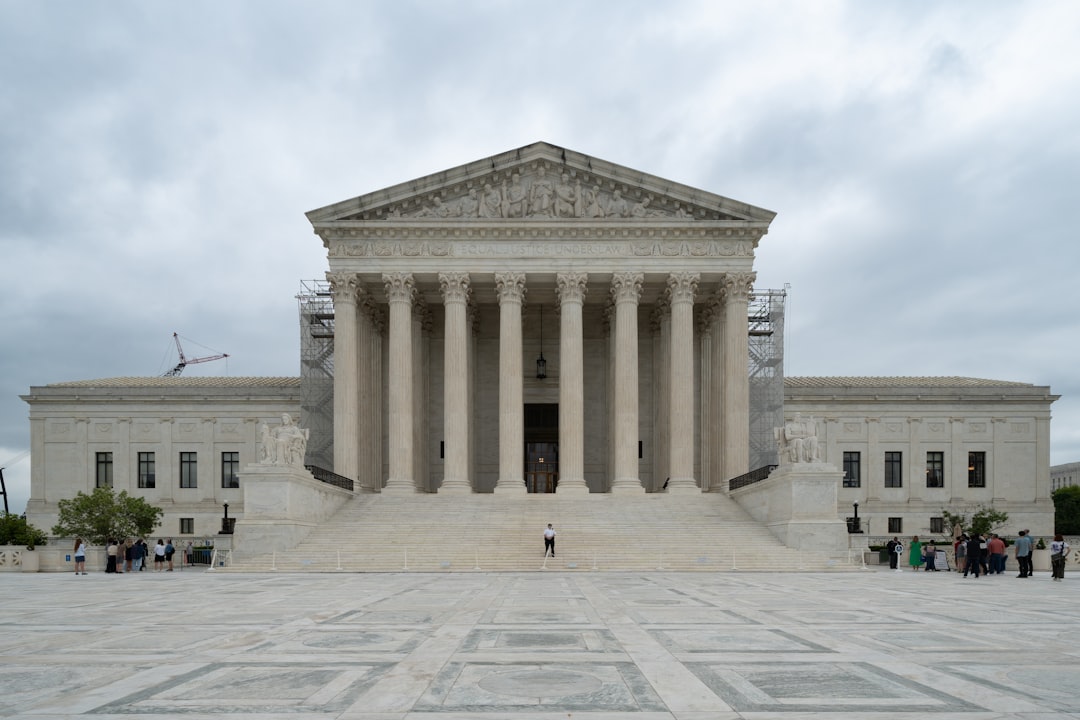
Breaking Decision Reshapes Presidential Removal Power
WASHINGTON — In a landmark ruling, the Supreme Court narrowed the President's ability to remove leaders of most independent federal agencies, while preserving a critical exemption for the Federal Reserve. The court ruled that Lisa Cook, a Fed governor, may stay in her post as she challenges the President's attempt to dismiss her. The decision comes as the court weighed years of prior practice against fresh arguments about executive accountability.
The court’s 6-3 majority concluded that presidents generally may dismiss agency heads, but it carved out an important exception for the central bank. Washington observers say the ruling could upend how politics intersects with regulatory policy for years to come. The opinion was written by Chief Justice John Roberts, who framed the case as a test of the constitutional balance between the executive branch and independent agencies.
Case Details And The Precedent
The dispute began with the firing of Rebecca Slaughter, a former Federal Trade Commission commissioner, who was removed by the President without a stated cause. Federal law requires a reason for removals in some agency contexts, setting up the central question: does removal protection apply uniformly or differ by agency and purpose?
In ruling, the court noted the long-standing Humphrey’s Executor precedent from 1935, which had limited removal protections for board members of certain independent agencies. The majority acknowledged that precedent had not kept pace with the modern landscape of independent regulatory bodies, and the decision effectively narrows the shield that some agencies have enjoyed from presidential dismissal. The Fed, the court said, operates under a distinct framework tied to monetary policy, financial stability, and the broader mandate of price and employment outcomes.
Lisa Cook And The Fed Exemption
Lisa Cook’s status on the Federal Reserve Board remains intact as she pursues litigation over the President’s attempt to remove her. While Cook stays in office, the court’s ruling preserves the Fed as a distinct case study in central-bank independence. Market watchers say the Fed’s credibility could be affected in the long run by this legal dispute, even as it continues to set policy free from day-to-day political pressures.
The decision signals that the President’s power to reshape independent agencies is not unlimited, at least outside the Fed. Analysts say the ruling could push lawmakers to revisit how removal protections are drafted in future legislation, potentially creating new friction points between the White House and regulatory agencies.
Impact On Markets And Personal Finance
- The ruling centers on the balance of power between the executive and independent regulatory bodies, a topic investors watch closely for policy constancy and credibility.
- For households, the decision may influence expectations around fiscal and regulatory risk, even as the Federal Reserve remains separate from the immediate political firing line.
- Banks and lenders could adapt to greater clarity about who can influence regulatory leadership, potentially affecting how quickly policy guidance is issued in times of economic stress.
In practical terms, the ruling highlights that the Fed’s leadership can be challenged in court, but not in the same way as other agencies. This distinction helps preserve the central bank’s policy process, which is essential for financial planning, retirement accounts, and long-term investments. While the broader question of presidential power remains unsettled, the market emphasis shifts toward how ongoing governance debates could shape future rate expectations and regulatory risk.
Reactions And The Road Ahead
Former President Trump quickly reacted, signaling his approval on social media and framing the ruling as a broad rebuke of what he called executive constraints on presidential power. Supporters say the decision restores what they view as necessary executive leverage to respond to regulatory challenges. Critics warn that the ruling could invite more political interference in the appointment and dismissal of agency heads, potentially heightening regulatory uncertainty.
Legal experts expect continued litigation, with the case potentially moving through appeals courts as Cook’s legal challenge proceeds. While the Fed exemption remains intact for now, observers anticipate further tests of the Humphrey’s Executor framework and its applicability to today’s diverse regulatory landscape. The Supreme Court’s decision leaves open questions about how removal protections might be recalibrated in future cases and how Congress might respond with targeted reforms.
What This Means For You
For savers and investors, the immediate effect is a clearer sense that the Fed’s policy path remains insulated from short-term political shifts, even as the broader scope of presidential power evolves in the courts. Mortgage seekers, homeowners, and borrowers should monitor not only rate moves but also the political and legal environment surrounding central bank independence. Confidence in policy continuity matters as households adjust budgets in a higher-rate economy and prepare for potential shifts in regulatory regimes that could influence lending, consumer protection, and financial markets.
Next Steps And Longer-Term Implications
The Supreme Court’s ruling will likely spark new legislative and judicial activity as lawmakers and litigants test the boundaries of removal power. For now, Lisa Cook remains on the Fed board, and the central bank continues its policy work with the usual tenacity and independence. The broader question of presidential control over independent agencies is not settled, and legal battles are expected to persist in lower courts and possibly return to the nation’s highest court in the coming years.
Bottom Line
In a pivotal decision, the supreme court rules against a sweeping assertion of presidential power to remove agency heads, providing a Fed-specific exception that preserves the central bank’s independence. The ruling, delivered in a 6-3 vote, marks a significant shift in how removal authority is interpreted and invites renewed debates about the proper balance between the White House and independent regulators. For investors and everyday finance, the outcome reinforces the Fed’s central role while leaving room for future legal challenges that could reshape the regulatory landscape over time.

Discussion