Global backdrop: gold climbs set the tone for personal finance
The latest market heat comes from a global surge in gold demand as investors seek safety in volatile times. In 2025, demand for the precious metal jumped 84% to 2,175 tons, according to the World Gold Council, fueling a price run that peaked in January at 5,589.38 dollars per ounce. That combination of strong demand and higher prices has reshaped consumer behavior and corporate strategies across Southeast Asia.
Hartadinata Abadi leads the Southeast Asia 500 leap
In a year when bullion became the beacon for growth, Indonesia’s Hartadinata Abadi vaulted 115 places to No. 129 on this year’s Southeast Asia 500 ranking—the biggest climb on the list. The company’s early 2026 performance underscores the bullion-driven shift reshaping the regional business landscape. In the first quarter of 2026, bullion represented 98% of Hartadinata’s revenue of $27.2 million, while jewelry contributed just 2%.
Why bullion is winning: a shift in investment habits
Hartadinata’s director of investor relations explains the pivot clearly: “Gold has long been a cornerstone of wealth in Indonesia and Southeast Asia, often passed down through families. But after the COVID-19 shock, demand tilted away from jewelry toward bullion and bars as a form of investable wealth.” The change mirrors a broader regional trend where households increasingly treat physical gold as a hedge against inflation and currency weakness, not merely a decorative asset.
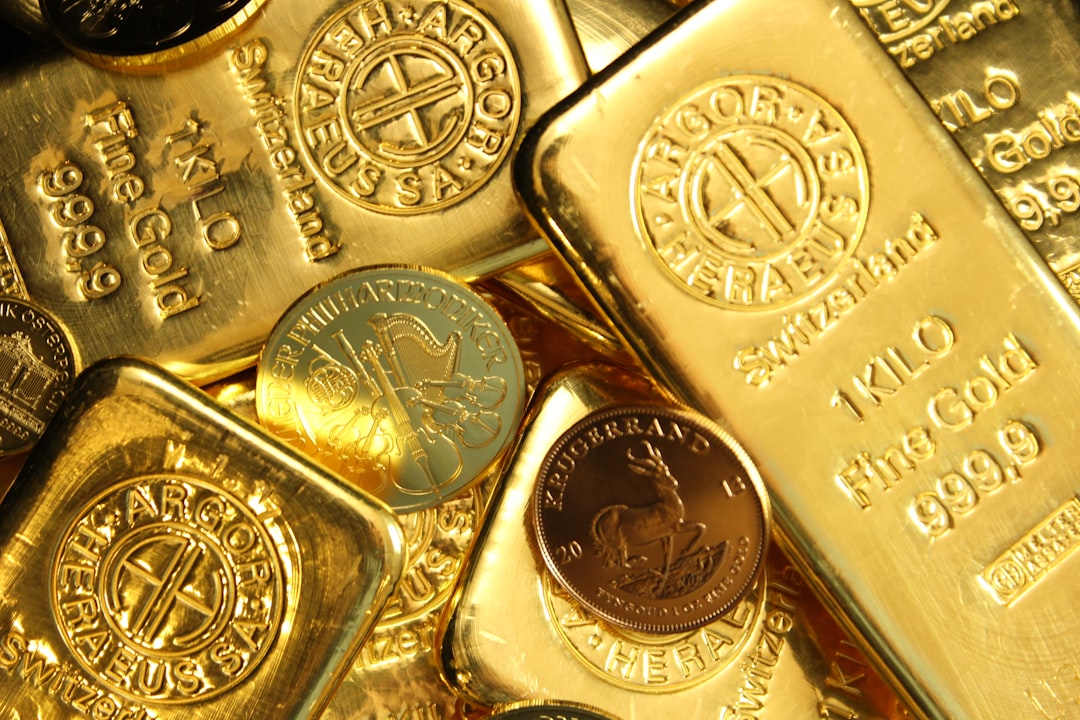
Asia’s bullion boom and its ripple effects
Across Asia, retailers and specialized bullion platforms report stronger monthly flows from retail buyers and small funds alike. Industry observers say the surge transcends luxury purchases and taps into a larger sense of financial security. Joshua Rotbart, founder of a bullion-focused advisory firm with a regional footprint, notes: “Investors who watched markets wobble last year are embracing gold as a crisis hedge and a practical savings vehicle.”
Global market signals and regional data points
- Global demand rose 84% in 2025 to 2,175 tons, as central banks and households redirected savings into bullion amid uncertainty.
- Gold hit a January high of 5,589.38 dollars per ounce, reinforcing bullion’s status as a defensive asset class.
- Hartadinata Abadi’s revenue jumped 135% year over year, with the first quarter of 2026 showing bullion revenue of 98% of total sales.
- The Southeast Asia 500 list highlighted a growing number of bullion-centric players expanding beyond traditional jewelry lines.
What this means for personal finance in Southeast Asia
For savers and investors, the message is clear: bullion products are moving from niche to mainstream. In a landscape where equities face periodic volatility and real estate markets remain uneven, physical gold and gold-linked instruments offer liquidity and a hedge against inflation. The rise of the surging gold prices biggest driver is transforming how households allocate capital and how firms design product lines—pressing more players to offer accessible bullion options, from standard bars to digital gold equivalents.
Looking ahead: gold as a core portfolio element
Analysts caution that bullion should complement a diversified mix rather than replace it. Yet the latest SEA 500 performances suggest that the surging gold prices biggest influence is reshaping growth narratives and risk management across the region. Companies are adjusting marketing, inventory strategies, and product development to reflect a new normal where bullion is a central pillar rather than a side bet.
Data snapshot: key numbers driving the Southeast Asia 500 this year
- Global gold demand (2025): up 84% to 2,175 tons
- Gold price (January): record at 5,589.38 USD/ounce
- Hartadinata Abadi (2025–2026): revenue up 135%; Q1 2026 bullion share 98% of revenue, total $27.2 million
- Southeast Asia 500 trend: bullion-focused firms showing outsized gains and higher float in exchange-traded or linked products
As the year unfolds, investors should monitor how digital platforms incorporating gold into mainstream portfolios evolve. The region’s appetite for bullion, spurred by the surging gold prices biggest driver, is likely to redefine which companies lead the SEA 500 rankings in the months ahead.

Discussion