
Overview: A Swing State Under Pressure
Michigan’s political landscape is tightening at a moment when families are staring at higher everyday costs. A new special election result in a state Senate district shows that voters are linking rising prices to the broader policy mix, including tariffs on auto parts. The outcome arrives as the state prepares for high-stakes races in 2026, from the governor’s mansion to the Legislature and a marquee U.S. Senate contest.
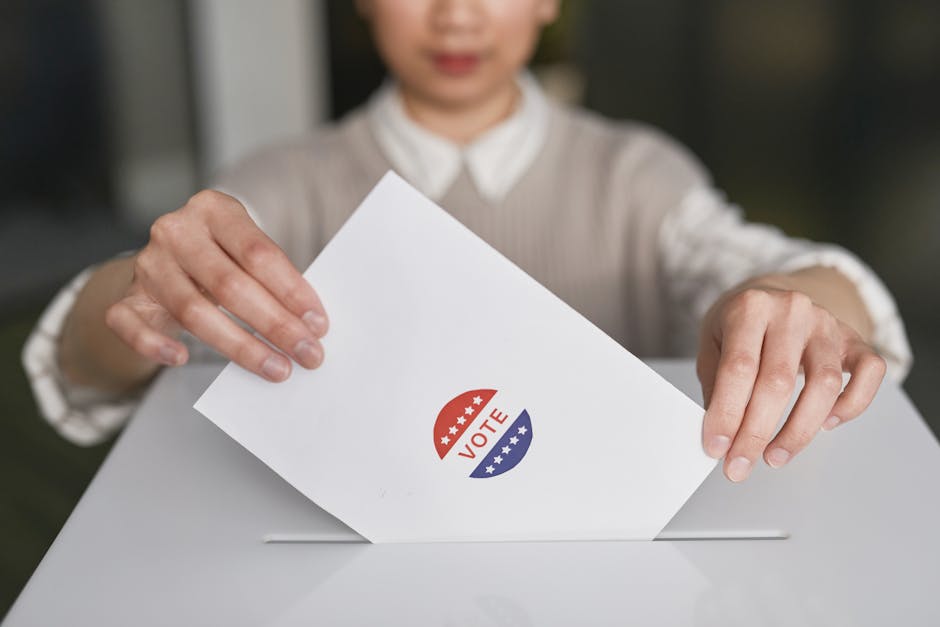
On Tuesday, a Democratic candidate carried a district that previously leaned toward Republicans, drawing a margin that stunned party strategists on both sides. The seat is in a region where past statewide wins have been close, and where national sentiment often meets local pocketbooks in high-stakes votes.
Longtime political observers say the result is a reminder that voters are watching inflation, supply-chain frictions, and the cost of car ownership. The district’s recent history matters too: the last Democrat to hold the seat won by a smaller margin in 2022, while Kamala Harris carried the district by less than a point in 2024. The shift matters beyond the district line as Michigan positions itself for a pivotal 2026 map.
What the Latest Result Signals
Political scientists note that a margin this large in a district with a swing profile signals a broader message from independents and Democrats who are lining up against a mix of economic headwinds. “To achieve a margin like this in a district that can swing is a clear signal that voters are linking national policy threads to local costs,” said Richard Czuba, a Michigan pollster with decades of experience in the Midwest.
The result comes as the national conversation centers on how fiscal policy and foreign-policy decisions affect household budgets. The economy has become a focal point for voters who once split their tickets. In Michigan, that split could influence who holds key offices in 2026 and how the state participates in the wider national map.
Focus on the Core Economic Trends
Two big trends are driving the mood in Michigan right now: surging prices and auto tariffs. The combination is reshaping consumer decisions and investor attitudes alike. Retail prices, energy costs, and the auto sector are all feeling the ripple effects of these forces, complicating the budget for households and business owners.
For households, the squeeze is real. Car buyers face higher sticker prices, longer wait times for new models, and lending costs that have edged upward. Small businesses that rely on auto parts are navigating more expensive inputs and potential supply-chain delays. Taken together, these pressures contribute to a cautious, cost-conscious mood among voters in key districts.
The political implications extend beyond Michigan. With national attention on how surging prices and tariffs affect manufacturing belts, advertisers, donors, and party operatives are recalibrating their Michigan bets for 2026. If inflation remains persistent and tariffs stay in place or expand, Michigan could become a litmus test for the midterm map's durability in the industrial Midwest.
Financial Implications for Households
- Gas prices have climbed in recent weeks, with Michigan households reporting an uptick in average fuel costs. Families are balancing higher commute costs with other rising everyday expenses.
- Tariffs on auto parts have fed into higher vehicle prices and longer production timelines for some models. Manufacturers say the cost pass-through can affect both new-vehicle affordability and used-car prices.
- Auto loan rates have ticked up modestly as lenders reassess risk in a higher-rate environment, nudging monthly payments higher for new buyers.
- Consumer sentiment in swing districts has cooled, particularly among independent voters who weigh inflation against job security and policy promises.
Economists warn that the policy mix—marked by surging prices, auto tariffs, and related supply constraints—could slow consumer spending at a time when the economy is trying to regain momentum. In Michigan, where a large share of GDP depends on autos and manufacturing, the effects are felt most acutely in family budgets and business planning.
What They’re Saying: Voters and Analysts
Analysts and party strategists are parsing the numbers to gauge what comes next. “If the trend in this district is any guide, independents and moderate Democrats are signaling a desire to see more relief on household costs,” said Marta Nguyen, a political analyst with Midwest Policy Collective. “That message travels well in a state that wears its manufacturing identity on its sleeve.”
On the Republican side, a strategist cautioned that continued volatility in the economy could complicate efforts to defend incumbents and win back suburban pockets that have grown wary of cost pressures. “If inflation and tariffs stay top of mind for voters, the GOP will need a sharper, more concrete plan to show how policy changes translate into relief at the gas pump and the checkout line,” the strategist said, speaking on condition of anonymity.
The Broader Picture: Michigan’s Place in 2026
Michigan’s political calendar now centers on how the economy and tariff policy will influence the path to victory in 2026. The state’s industrial backbone—auto manufacturing and related supply chains—means price dynamics here can echo across other Midwest battlegrounds. A few shifts in Michigan could recalibrate national expectations about which party can claim durable economic leadership in the heartland.
Experts caution that the outcome of the 2026 races will depend on more than one-off events. Inflation trends, energy costs, and policy clarity will shape turnouts. The pace of wage growth and employment gains will also matter as voters decide which party offers a credible plan to address the day-to-day costs families face.
Data at a Glance
- Special election margin: Democrats secured a district by a double-digit margin, up from a 2022 Republican lead of 6 percentage points.
- Presidential-era baseline: The district previously leaned toward the opposition in a 2024 presidential context, underscoring its swing status.
- Gas price trend: Michigan has seen a steady rise in average per-gallon fuel costs over the past two months, contributing to consumer unease.
- Tariff impact: Auto-part tariffs in effect have raised input costs for automakers, with spillover into consumer pricing for new and used vehicles.
- Public sentiment: Independent voters report heightened concern about inflation and affordability while weighing policy proposals from both parties.
The political and economic headlines are unlikely to fade soon. As Michigan navigates 2026 campaign cycles, the public will be watching how policymakers translate rising prices and tariff pressures into tangible relief. For households, the key question remains: will relief come sooner through policy moves or more gradual market adaptation?
Conclusion: A State in Economic Focus
Michigan’s current political moment underscores a broader national dynamic: when surging prices meet auto tariffs, everyday decisions become political. The latest election result reinforces the idea that voters are connecting the dots between inflation, manufacturing costs, and the fate of the governing party in a critical swing state. The coming months will reveal how durable this sentiment proves as lawmakers craft budgets and debate policy aimed at easing the burden on families and households.

Discussion