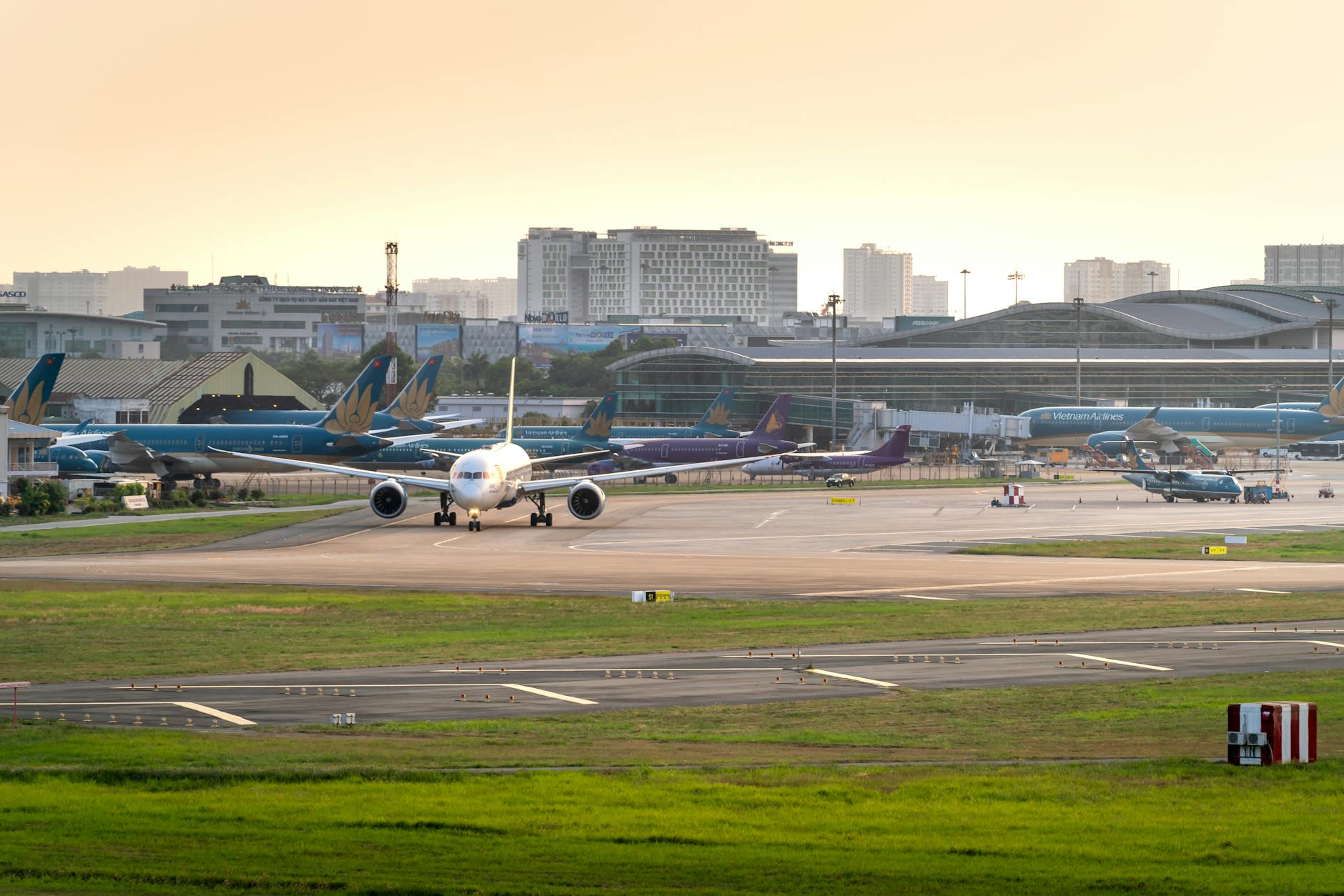
Lead: A Viral Post That Wasn’t a Policy Move
Tampa International Airport sparked online chatter on Thursday after its official social account floated a tongue‑in‑cheek idea: banning pajamas in the terminal. The joke drew millions of views before staff issued a clarifying note that no apparel ban is in place.
In a rapid-fire digital moment, the post became a case study in how airport humor can bleed into real‑world discussions about what to wear when you travel. The post received about 5.7 million views by mid‑afternoon Eastern time, underscoring how quickly a lighthearted jab can become a national talking point for travelers and budget watchers alike.
tampa airport says wants to push humor first, then clarify policy, airport staff said later, noting the post is part of a long‑running, playful social voice that many followers enjoy. "Our regular online followers just eat this stuff up, but obviously this is all in fun, and we encourage our travelers to be comfortable," said Beau Zimmer, the airport’s spokesperson.
What The Post Said—and Why It Went Viral
The tweet framed the pajama‑ban idea as part of a broader joke about day‑of‑travel fashion debates, a topic that routinely sparks online arguments between comfort seekers and style enthusiasts. The message referenced a prior joke about becoming Crocs‑free and suggested that enough was enough when it came to certain sleepwear looks on the concourse. While the post lacked any formal policy language, its bold tone sent travelers into the comments, speculating about dress codes and comfort thresholds in crowded terminals.
Zimmer emphasized that the stunt was designed to entertain and engage. He noted that the account has built a decade‑long reputation for witty, sometimes provocative posts that aim to humanize a usually utilitarian space for flyers and locals alike. "Our regular followers really lean into the humor; we’ve cultivated that voice for years," he said. The post’s reach shows how a destination with millions of annual travelers can turn a single line into a national talking point in hours.
The Clarification: It Was All A Joke
Hours after the post went live, the airport published a formal clarification stating that the pajama ban was not a real policy proposal. The statement described the post as a playful nod to ongoing debates over what people should wear on travel days and asserted that Tampa International values passenger comfort above all. The airport invited travelers to share their humor while noting that the actual rules around dress are largely informal and context‑driven, not dictated by a blanket ban.
The timing of the clarification was important for travelers trying to plan trips in the current travel environment, where everyone from families to business travelers is juggling schedules, security checks, and packing lists. The airport’s note also served to dampen any confusion among crew and passengers who had already begun debating how casual or formal a traveler should look while boarding.
Context: Civility Campaigns, Etiquette, and Public Messaging
The pajama joke arrived at a moment when public officials have been urging better etiquette in air travel. A Transportation Department initiative aimed at restoring civility and courtesy to flying has kept the topic front and center for months. The department’s officials described the campaign as a nationwide conversation about how travelers, crews, and gate agents interact, emphasizing respect and practicality over rigid dress codes.
A department spokesperson explained that while attire can influence perceptions of professionalism and comfort, the real goal is to improve the overall travel experience. The joke by Tampa International is thus read not as a dress code policy but as a reminder that conversation about travel ‑ including dress expectations ‑ plays a role in shaping customer service norms and budgeting for trips that may require extra wardrobe options for logistical reasons.
Impact on Travelers’ Wallets and Wardrobes
Attire and comfort aren’t just fashion choices; they tie directly into travel costs and time efficiency. A casual‑wear bias can cut packing needs and reduce baggage fees for light travelers, while family trips sometimes demand a broader wardrobe for kids and adults who move through varying climates and security lines. The pajama post, even as a joke, highlights how fashion choices can influence packing habits, airline interactions, and the perceived value of a trip.
For people watching personal finance in travel, the episode offers a reminder to budget for flexibility. If a traveler feels pressure to look “presentable” for photos or in‑flight service, they might overspend on outfits or accessories that end up unused. Conversely, a culture that prioritizes comfort can lower costs by simplifying packing lists and reducing stress around wardrobe decisions at the airport.
Key Data Points For Context
- Post views: about 5.7 million by mid‑afternoon ET
- Online persona: a decade‑long, tongue‑in‑cheek style from the social channel
- Clarification: the pajama ban was presented as humor, not policy
- Leadership stance: airport encourages comfort while acknowledging humor in public channels
What This Means For The Everyday Traveler
For frequent flyers, the incident is a reminder to verify dress guidelines through official channels before packing. While most airports welcome relaxed attire, certain security lines or premium lounges may adopt stricter interpretations in practice. The best takeaway is to travel prepared for comfort and convenience, not fashion police theater. The episode also reinforces the value of monitoring official airport communications rather than reacting to viral posts alone.
In practical terms, travelers should consider flexible packing strategies, especially for longer trips or mixed climates. A capsule wardrobe that balances comfort and neutrality can reduce stress at security, while keeping options open for business meetings or casual dinners. The financial angle is simple: fewer specialized items mean lower baggage costs and less risk of overpaying for clothes you won't wear in other settings.
Takeaways For The Road
- Keep an eye on official airport channels for the latest dress and etiquette guidance.
- Remember: a joke on social media is not a policy document; always verify rules before packing.
- Build flexible travel wardrobes that prioritize comfort, security, and cost efficiency.
Closing Reflections: Humor, Policy, and Practicality
The pajama‑ban joke from Tampa International Airport serves as a modern reminder that humor can rapidly influence traveler expectations and shopping behavior. In a time when personal finances are under scrutiny amid rising travel costs, a single post can ripple into broader conversations about value, comfort, and branding in air travel. The airport’s final message was clear: travel should be comfortable, and policy clarity matters when public sentiment goes viral. For now, travelers can enjoy the lighter side of a bustling travel season while staying focused on practical planning for their next trip.


Discussion