Overview: Traffic Rebounds as Talks Progress
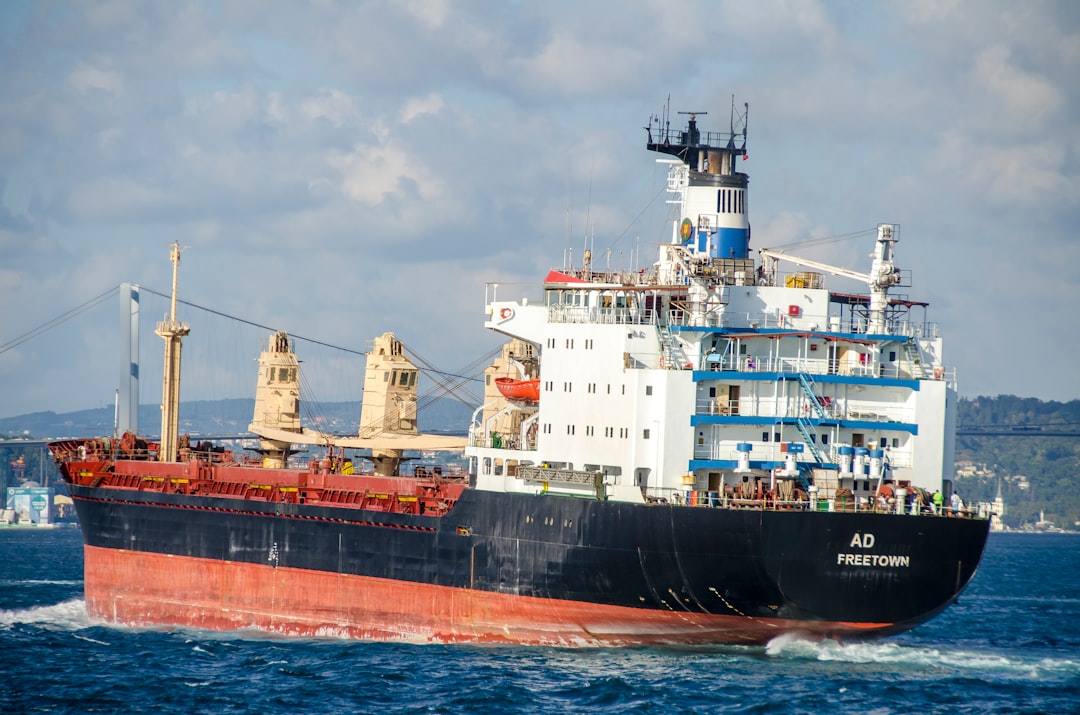
Oil markets moved in tandem with calmer expectations as talks between major players signaled progress toward easing a long-running standoff at the Strait of Hormuz. In the past few days, tanker traffic through strait has picked up, suggesting shipowners and traders are returning to near-normal flows after a period of heightened risk and supply concerns. Officials cautioned that the central waterway remains mined, and navigation remains selective, but the latest data indicate a clear uptick in maritime activity that could translate into steadier energy prices for consumers.
As of late June 2026, analysts say the renewed activity is a bellwether for both global oil supply and household budgets. The uptick in tanker traffic through strait reflects a potential easing of bottlenecks that had constrained shipments from the Middle East, lifting the near-term volatility that had rattled fuel costs at the pump.
Still, observers emphasize that any meaningful normalization will depend on sustained progress in diplomacy and verified safe passage through the chokepoint. The Strait of Hormuz remains a high-stakes route, and traders are watching for concrete signals rather than headlines alone.
What Is Happening on the Water
Maritime trackers show a clear lift in volume as vessels resume crossings that were restricted during the worst days of the dispute. The latest window captured a volume surge as ships navigated around remaining minefields and adhered to a mix of routes that keep transit risk manageable.
- Routing options: Some ships have continued using a northern channel inside Iranian waters, while others favor the southern corridor near Oman, reflecting the still-present minefield cautions.
- Naval oversight: The U.S. Navy has prioritized monitoring the southern route, aiming to assure safe passage, while allied coast guards coordinate with Tehran on route compliance.
- Iran’s position: Officials in Tehran have highlighted the northern path as essential for secure transit, complicating the logistics of routing decisions for carriers and insurers.
In the latest period, shippers moved a sizable number of tankers across the strait, with trackers recording more than a hundred crossing vessels over a three-day span—the strongest showing since the conflict began this year. While the figure is encouraging for trade, it is still below the pre-crisis norm, when the strait handled well over a hundred ships in a typical day.
Market Impact: Oil Prices and Household Budgets
Oil prices responded to the improving flow with a measured retreat from earlier highs as traders priced in softer supply concerns and the potential for smoother tanker movements. Market data show Brent and WTI easing modestly, with both benchmarks back toward mid-single-digit declines for the week. Traders emphasized that the near-term path will depend on whether the strait can sustain open channels without dramatic escalations.

Energy analysts caution that the situation remains dynamic. A senior analyst at OceanBridge Research said: 'The swing in risk appetite hinges on verifiable progress and on the ability of navies and coast guards to maintain safe corridors. The market will reward consistent access more than headlines.'
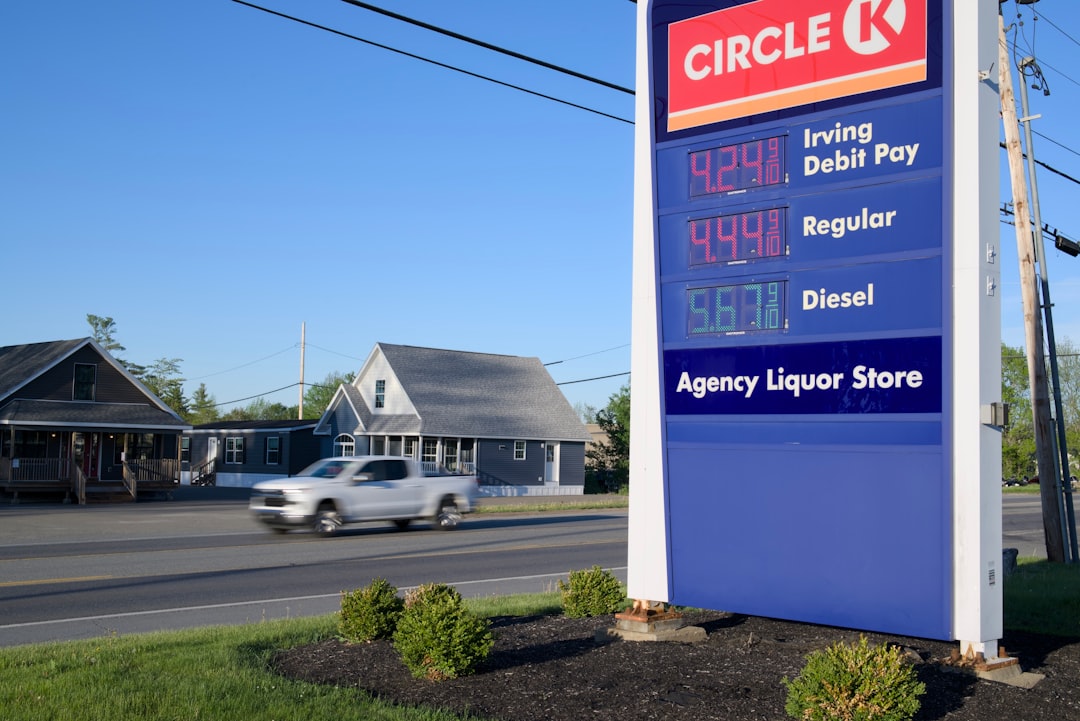
For households, the immediate implication centers on fuel costs and connected consumer prices. If the strait can sustain smoother passage, gasoline futures could stabilize or drift lower in the coming weeks, easing the pressure on budgets already stretched by other essentials. But the same analyst noted that any renewed flare-up would reverse that trend quickly, potentially pushing pump prices higher again.
- Gasoline costs: A clearer supply line can limit retail price volatility, potentially reducing week-to-week swings at the pump for households.
- Energy bills: Lower gasoline and heating oil futures can feed into broader energy indices, helping to moderate household energy expenses as summer demand grows.
- Inflation sensitivity: Energy is a key input in many goods and services. A calmer Strait of Hormuz outlook could dampen some inflationary pressures if prices stabilize.
- Investment implications: For savers and investors, smoother tanker flows may support more predictable energy equities and commodity-linked funds, though risk remains if tensions flare again.
Financial experts advise households to monitor gas prices as the situation evolves. Diversifying energy exposure and maintaining an emergency budget continue to be prudent steps in a market that remains sensitive to geopolitical headlines as well as actual shipping data.
Data Snapshot: Key Numbers to Watch
- Recent three-day crossing total: roughly 130-plus vessels, signaling a rebound in tanker traffic through strait from the prior month’s lower levels.
- Primary transit routes: northern channel (Iranian waters) and the southern route (Oman waters) used with ongoing minefield considerations.
- Naval presence: U.S. and allied forces focusing on safe passage along the southern channel, with Iranian authorities prioritizing the northern corridor.
- Backlog status: hundreds of vessels remain queued in regional approaches, underscoring that full normalization will take time even as flows improve.
Experts say the backlog hints at a gradual return to normal, rather than a rapid reversion. The time it takes for ships to clear the queue will influence pricing, insurance costs, and the timing of fuel relief for consumers.
What’s Next: Risks and Opportunities
Analysts caution that while the latest trend points toward greater stability, the Strait of Hormuz remains a potential flashpoint. Markets will react to any verified change in safety conditions, not just diplomatic chatter. A single incident or miscommunication could disrupt flows and push prices higher in the short term.
On the policy side, bankers and energy financiers are watching how negotiations unfold and whether a formal framework emerges to sustain open transit. If a durable agreement materializes, the ensuing confidence could feed a more favorable environment for consumer spending as energy costs move toward a calmer trajectory.
Bottom Line
As negotiations progress and ships resume crossings, the broader financial landscape benefits from clearer supply lines and steadier energy prices. The latest activity underscores the fragile balance between geopolitical risk and global demand that shapes how much households pay at the pump and in the price of goods. In the near term, the focus remains on the safety of tanker traffic through strait and the durability of any diplomacy that unlocks the chokepoint’s lanes.
Stay tuned for updates as market data, shipping trackers, and policymakers' statements continue to shape the narrative around tanker traffic through strait and its impact on your personal finances.


Discussion