Hooking Into the Billionaire Beat: Why This Moment Matters
When a superstar crosses into the billionaire club, it’s not just about a bigger number on the calendar. It signals a shift in how wealth is built, especially for creators who own the rights to their work. The milestone around taylor swift worth billion isn’t a knee-jerk update from a late-night tabloid; it’s a case study in long-term value creation, leverage of core assets, and the power of owning intellectual property in a digital age.
For years, Taylor Swift has been rewriting what success looks like for a modern musician. She blends artistry with strategic control: songwriting royalties, catalog ownership, re-recording projects, high‑margin concert revenue, and smart real estate investments. As of early 2026, Forbes estimated her net worth near $2 billion, a figure that places her at the top of the list for female musicians and signals a broader trend in how wealth accrues in entertainment today. This is not about a one-off windfall; it’s about a disciplined portfolio approach to art, brand, and business.
The Core Shift: Owning the Master and the Catalog Advantage
One of the most consequential moves behind taylor swift worth billion is her decision to reclaim and re‑own parts of her catalog. Master rights — the original recordings of a recording artist’s songs — are a powerful asset. They affect licensing, streaming revenue, and control over how songs are used in ads, films, and television. When artists sign away masters early in their career, earnings from those recordings often flow to the label for years. Reclaiming or re-recording songs creates a new, separate stream of royalties and gives the artist leverage for future use of the music.
Swift’s approach didn’t happen overnight. After years of touring, chart-topping albums, and a public back-and-forth about ownership, she launched a methodical strategy: re-record the hits as new versions, retain rights to the new masters, and selectively license the older masters on favorable terms. It’s a dual-track strategy that compounds wealth: ongoing royalties from the original songs (even as the new versions circulate) plus a growing pool of catalog control that appreciates as the artist’s brand compounds.
From a personal finance lens, the master-right strategy demonstrates a powerful lesson: owning the rights to your own work creates a perpetual income stream that can scale with your brand. For musicians in the audience, this isn’t just about music; it’s about applying the same principle to any creative enterprise—writing, photography, software, or digital content you control entirely.
The Eras Tour: A Revenue Engine Like No Other
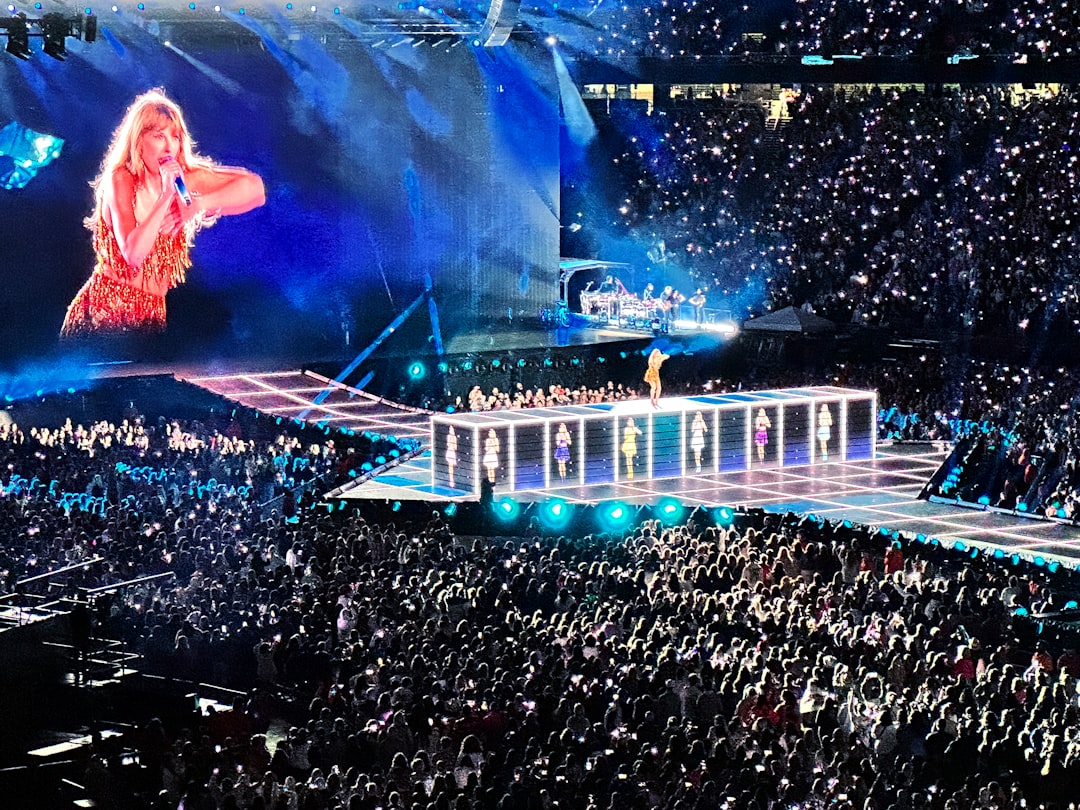
No discussion of taylor swift worth billion is complete without addressing the Eras Tour, which redefined touring economics. The tour spanned nearly 150 shows across five continents, establishing itself as the highest-grossing concert tour in history. Estimates put the tour’s revenue at roughly $2.2 billion, a figure powered by large-scale production, premium seating, and the ability to monetize fans across multiple revenue streams (merchandise, VIP experiences, streaming aftershows, and exclusive content).
For investors and business strategists, the Eras Tour illustrates how live events can become a capital-creation machine when tied to a compelling brand and a catalog strategy. It’s a reminder that the strongest asset in a creator’s portfolio isn’t a single hit but a suite of offerings that can scale with demand over time. In Swift’s case, the tour didn’t just generate cash flow; it amplified demand for tickets, streaming, and merchandise, creating a reinforcing loop that boosted overall net worth.
The Wealth Composition: A Modern Artist’s Portfolio
Taylor Swift’s net worth isn’t a one-note melody; it’s a carefully arranged composition. Here’s how the pieces typically come together for an artist with billions in value:
Writers and composers earn when songs are streamed, played on radio, or used in media. Swift’s prolific output and co-writing credits help ensure a steady stream of publishing revenue that compounds over time. Owning the rights to a catalog turns music into an enduring income asset, not just a one-off payment from a hit single. Creating new masters gives an artist leverage to monetize older songs anew while reclaiming a portion of the earnings from the original masters. Live performances fuel enduring cash flows beyond ticket sales, including VIP experiences and exclusive merch. Real estate, investments, and other businesses diversify risk and provide tangible anchors for the net worth profile.
This blend of asset types helps explain why taylor swift worth billion is sustainable over the long term. It also highlights a broader trend: musicians who control their catalogs can grow wealth beyond traditional album sales, streaming payouts, and label advances.
The Investor Take: What Fans and Aspiring Creators Can Learn
For everyday investors, the Taylor Swift wealth story offers several actionable takeaways. While individuals can’t replicate the exact career arc, they can emulate the underlying principles of sustainable growth and asset ownership:
Whether you’re building a business, writing code, or creating content, owning the core asset—your work—gives you leverage when monetizing and negotiating future opportunities. A single hit can be a windfall; diversified royalties, licensing, and residuals create persistent income that compounds over time. The Eras Tour shows how scale, branding, and premium experiences can turn a live event into a revenue engine with wide-margin opportunities. Wealth built over decades often looks different from short-term winners. A patient, well‑structured plan can translate into a multi‑billion-dollar trajectory for those who reach creative pinnacles.
Real-World Scenarios: How the Math Plays Out
Let’s translate the headline numbers into everyday scenarios that illustrate how a creator might approach similar wealth-building in their field. Keep in mind these are simplified illustrations to show concepts, not precise financial projections.
Scenario A: A Creator with 100 Original Works
A mid-career creator has 100 original songs and maintains publishing rights. If each song earns $5,000 annually in royalties (across streaming, radio, and synchronization), that’s $500,000 per year in publishing income. If the creator also negotiates a licensing deal that adds another $200,000 yearly, total ongoing annual royalties reach $700,000. Over 20 years, without accounting for inflation or growth, that’s $14 million in royalties alone. Add potential income from re-recordings and catalog sales, and the numbers scale dramatically as rights accumulate and licensing expands.
Scenario B: Reclaiming and Re-recording a Hit
Imagine a hit song produced early in a creator’s career. By re-recording (a modern practice popularized by Swift’s strategy), the artist creates a fresh master and is able to monetize both the old and new versions. Suppose the original recording still earns $100,000 per year in royalties, while the new master earns $250,000 annually after licensing deals and streaming growth. With a 10-year horizon, that’s $3.5 million from one catalog item alone, and the total portfolio can exceed that as more songs are re-recorded.
Tax, Estate, and Risk Considerations for a High-Growth Creative Portfolio
Wealth accumulation is not just about income—it’s also about how well you manage taxes, protect assets, and plan for the future. High-value catalogs and IP holdings raise specific considerations:
Royalty income and licensing revenue are taxable, often in different tax brackets depending on structure and business entity. Intellectual property income can benefit from deferral opportunities through royalties, but it also requires rigorous tracking and expense accounting. Intellectual property can be a large portion of an estate. Coordinated estate planning ensures the assets pass smoothly to heirs and that beneficiaries understand licensing and royalty streams. Valuation of IP can fluctuate with trends, technology, and market taste. Diversification and professional valuations help prevent overreliance on a single asset class.
Swift’s trajectory reminds investors and creators that wealth from art and performance often sits on a foundation of robust financial planning and a long-term view of value. This is especially true for those who aim to protect and extract value from intellectual property in an ever-changing media landscape.
Public Perception, Brand, and the Practicalities of Being a Billionaire Artist
Beyond the numbers, the taylor swift worth billion milestone is a reflection of how audiences respond to artists who own their work. Brand strength—built through consistent storytelling, live performances, and a clear stance on ownership—can translate into higher demand for licensing, opportunities, and even cross-industry collaborations. The public’s willingness to support artists who reclaim their catalogs in a transparent, purposeful way adds an intangible value that compounds as careers mature.
For fans, this story translates into more than admiration. It demonstrates that success in creative careers can be measured by control, sustainability, and continued relevance over decades. For aspiring artists and business-minded fans, it’s a reminder that long-term wealth often comes from owning what you create and building a multi-pronged strategy around it.
Conclusion: What This Means for the Everyday Investor
The narrative behind the figure of taylor swift worth billion is not just a celebrity headline—it’s a blueprint for modern wealth creation that blends artistry with ownership and strategic diversification. The key takeaways you can apply are clear: own the core asset whenever possible, build multiple revenue streams around that asset, scale through high-impact experiences, and plan for the long haul with tax, estate, and risk considerations in mind. While most readers won’t catapult to billions, you can emulate the disciplined approach that underpins Swift’s wealth-building journey: protect your intellectual property, invest in scalable opportunities, and remain adaptable as markets shift.
Ultimately, success in creative finance mirrors the music itself: a carefully arranged composition of assets, timing, and strategy that, over time, creates a durable and meaningful legacy. For those curious about the exact drivers behind the taylor swift worth billion headline, the answer lies in ownership, reinvention, and the relentless pursuit of value across every channel where her work resonates with audiences around the world.
FAQ
Q1: What does it mean to own your master recordings?
A1: Owning masters means you control the original recording rights. This affects licensing, royalties, and how the music can be used in media. Owning masters can unlock ongoing revenue well beyond initial album sales.
Q2: How does re-recording affect an artist’s wealth?
A2: Re-recording creates a new master that the artist owns. This adds an additional stream of royalties and can shift licensing leverage, while still allowing the artist to monetize the old recordings through licensing and usage arrangements.
Q3: Can a live tour significantly boost net worth?
A3: Yes. A blockbuster tour can generate billions in revenue, driving profits and raising an artist’s brand value. It also amplifies merchandise sales and streaming interest, contributing to a larger overall net worth.
Q4: What should creators learn from this story?
A4: Prioritize ownership and scalable revenue, diversify income streams, and plan for the long term with professional guidance on taxes, IP rights, and asset protection. These steps can create lasting wealth even beyond peak years.


Discussion