Introduction: Why One Celebrity Opal Tale Can Teach Everyday Investors More Than a Price Tag
When luxury jewelry makes headlines, it’s easy to focus on the sparkle and the sticker price. But the real lesson for everyday investors sits a little deeper—in provenance, rarity, and the way a memorable story can move a market. Consider the recent buzz around a high-end opal suite tied to a Hollywood icon and a celebrated musician. The pieces aren’t just about beauty; they illustrate how history, setting, and ownership can amplify value. In this article, we pull back the curtain on what makes opals special, how celebrity stories can influence prices, and what practical steps you can take to assess jewelry as an investment—without losing sight of risk and cost. To anchor our discussion, we’ll revisit a well-known case that has fascinated jewelry enthusiasts for years: a suite of opals valued around $125,000 that carried an extraordinary backstory connected to Elizabeth Taylor. While the specifics of individual pieces are less important than the larger pricing dynamics, the example helps illustrate how provenance, material quality, and display opportunities combine to influence value in the luxury jewelry market. By the end, you’ll have concrete ideas for evaluating opal pieces, building a thoughtful budget, and avoiding common pitfalls when a celebrity story enters the appraisal room.
The $125k Opal Suite: What It Was and Why It Canned Attention
Opals are a curious gemstone class. They can glow with a spectrum of colors as light shifts, yet their value hinges on factors that mix science with storytelling. In the case we’re examining, a complete opal jewelry suite—comprising chandelier earrings, a bracelet, and a ring—was crafted in precious metal and set with natural Australian opals and black opals. The pieces were designed to be worn together, with a sense of old-Hollywood glam that many collectors associate with Elizabeth Taylor’s era of accessories and style. The suite’s story adds another layer to its appeal: provenance from a famous actress who reportedly sourced the opal in a West Hollywood shop in the late 1990s, and a public life of philanthropy that makes the jewelry feel like a relic with purpose beyond mere adornment. While the exact design details vary from one account to another, the key elements that typically elevate such a set are clear:
- Material and craft: The pieces were made from yellow gold—22K in some descriptions—paired with genuine opals sourced from Australia, known for their robust color play when cut well.
- Provenance: Ownership by a globally recognized figure can create a narrative arc that collectors value, potentially pushing demand beyond aesthetic appeal alone.
- Completeness: Sets that include multiple items (earrings, ring, bracelet) tend to perform better at auction than standalone pieces, because they offer a cohesive look and a stronger story.
Provenance: Why the Elizabeth Taylor Backstory Moves the Needle
Provenance—the ownership history of a piece—plays a crucial role in luxury markets. It can impact how collectors perceive risk, authenticate authenticity, and even how an item is perceived in terms of cultural value. In the opal suite tied to a legendary actress, provenance isn’t just a nice-to-have; it becomes a lens through which buyers evaluate potential resale value and emotional resonance. Here’s how provenance tends to affect prices in practical terms:
- Authenticity confirmation: A clear chain of ownership and documentation reduces the risk of hidden flaws or misattribution, which can otherwise depress resale value.
- Emotional and historical appeal: Stories about a piece’s origin—especially one connected to public figures or notable events—can create a broader market appeal beyond jewelry enthusiasts alone.
- Auction and secondary markets: Provenance often correlates with premium pricing at reputable auction houses and specialized dealers, where buyers seek not just a stone but a narrative.
- Counterfeit risk rises when a story becomes fashionable; rigorous authentication is essential.
- Market sentiment can shift. A celebrity connection can be a short- to mid-term driver but should be weighed against underlying gem quality and market conditions.
- Maintenance matters. Vintage or estate pieces might require more frequent professional checks, adding ongoing costs to ownership.
What This Means for Your Wallet: A Practical Investment Playbook
Celebrity-backed jewelry can intrigue investors, but the smart move is to translate excitement into disciplined practice. If you’re considering adding opals or opal-heavy pieces to your portfolio, here are concrete steps to keep your finances in check while still appreciating the allure of history and beauty.
1) Define Your Budget and Your Purpose
Before you shop, decide if you’re buying for investment, collection, or personal enjoyment. If your aim is financial exposure, set a clear budget and plan for potential liquidity needs. A practical rule of thumb: do not allocate more than 5-15% of your jewelry budget to any single high-provenance piece, and diversify across materials (gold, diamonds, colored gemstones) to spread risk.
2) Decode the Quality: Opals 101
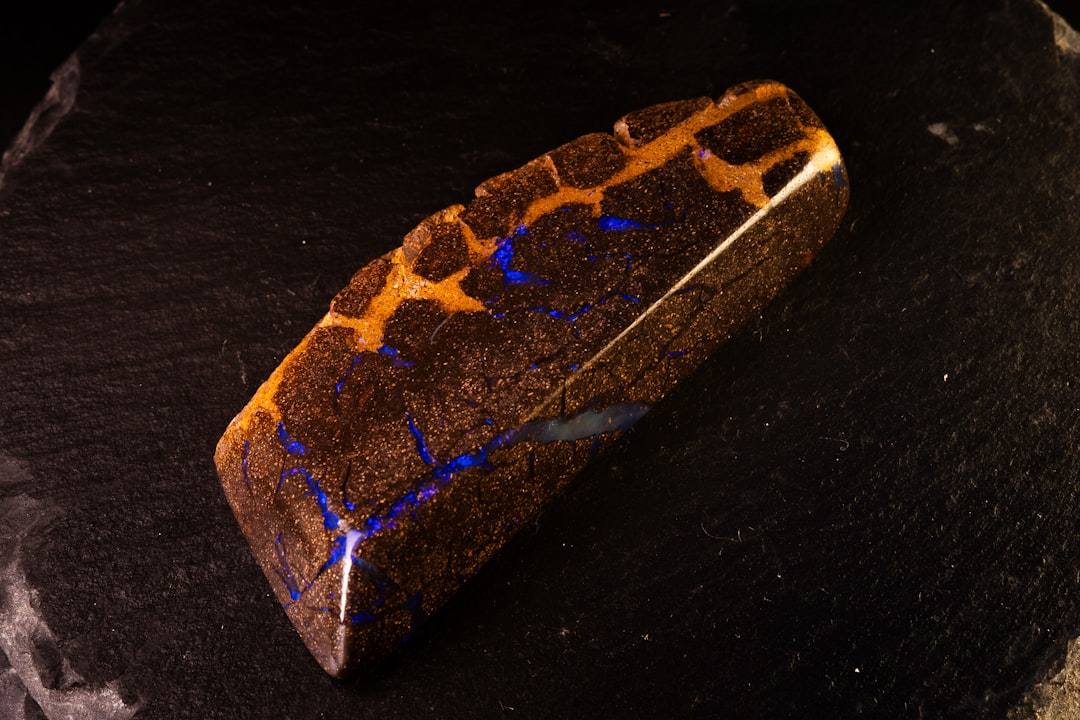
Opals are valued for their play-of-color—the way colors flash as light shifts. Important quality drivers include:
- Origin: Australian opals, particularly black opals and crystal opals, are often among the most prized.
- Play of color: The brightness, pattern, and range of colors influence desirability and price.
- Body tone and clarity: A higher-contrast play with fewer inclusions generally commands a premium.
- Cut and setting: Precision facets and secure, aesthetically integrated settings (like 22K gold) can enhance perceived value and wearability.
3) Verify Provenance and Authentication
For any high-value piece, gather paper trails: previous ownership notes, certificates, and third-party appraisals. Celebrity-owned pieces require extra caution: verify the authenticity of the story with independent sources and check for estate or museum authentication when relevant.
4) Consider Liquidity and Costs
Luxury jewelry tends to be illiquid. Plan for potential resale delays and costs: commissions on sale, storage, insurance, and ongoing maintenance. A well-documented piece with reputable materials and a credible provenance is more likely to fetch a premium, but it must align with market cycles and the buyer’s appetite for the backstory as well as the stone’s quality.
5) Insurance and Security
Insure high-value pieces with a policy that covers theft, loss, and damage. Schedule in-person appraisals every few years or after significant wear or refurbishment to ensure coverage reflects current value.
How Opal Jewelry Fits in a Broader Investment Picture
Opals occupy a unique space in the luxury market. They can offer color-rich beauty and potential upside from scarcity, yet they also carry volatility compared with traditional assets. Here’s how to think about opals in a broader investment strategy:
- Volatility vs. stability: The value of opal pieces can swing with fashion trends, auction results, and the availability of sought-after origins. Don’t rely on a single purchase to anchor a financial plan.
- Diversification: Consider opals alongside other collectibles (in moderation), precious metals, and more traditional investments to balance risk.
- Due diligence: Ensure any piece you buy has clearly stated material quality, origin, and a documented chain of ownership.
When you combine these considerations with a strong sense of the market’s tone—celebrity-driven interest, vintage fashion nostalgia, and the enduring appeal of fine craftsmanship—you create a framework for evaluating opal jewelry without chasing hype. The takeaway from the larger narrative around taylor swift’s $125k opals is simple: history invites curiosity, but disciplined assessment sustains value.
Decoding the Market: How to Price Opals in Today’s Landscape
Pricing opals requires a balance between objective quality metrics and subjective market factors. Here are practical guidelines to help you navigate pricing in today’s market:
- Benchmark against comparable pieces: Look for pieces with similar origins (Australian opals), similar sizes, and comparable settings to gauge typical price ranges.
- Account for rarity and storytelling: A strong provenance can tilt a price, but it should be supported by robust authentication and verifiable history.
- Consider the setting and craftsmanship: A 22K gold setting, with secure clasps and refined mounting, can add tens of thousands to the value as opposed to a more basic framework.
- Evaluate the maintenance and insurance costs: Ongoing care can influence long-term profitability of owning vintage or celebrity-linked pieces.
In practice, expect that the most compelling opal pieces—those with exceptional color play, verified Australian origin, and a documented, admired provenance—will command premiums compared with more common stones. But the market remains nuanced: fashion trends shift, auction results vary, and the cost of ownership can impact net return. The key is to blend a careful appraisal with a healthy respect for the narrative that accompanies a piece.
Putting It All Together: A Roadmap for Readers Interested in Opal Jewelry
If you’re curious about entering the world of opal jewelry with an informed perspective, here’s a simple, repeatable roadmap you can use:

- Set your budget based on your overall financial plan, not on a single headline or a social-media post.
- Learn the basics of opal quality: color play, origin, body tone, and cut.
- Ask for provenance and authentication documents; use a recognized lab or gemologist for verification.
- Get an independent appraisal to anchor price expectations and insurance needs.
- Plan for maintenance and insurance as ongoing costs, not afterthoughts.
By following these steps, you can approach opal jewelry with both adult financial sense and genuine appreciation for the art and history behind each piece. And as the public interest in celebrity-linked jewelry demonstrates, a compelling story can enhance charm—without guaranteeing a safe bet in value over time.
Conclusion: Provable Value, Prudent Strategy
The tale of a $125,000 opal suite connected to a legendary star isn’t just about glitz; it’s a microcosm of how luxury markets assign value. The blend of rarity, craftsmanship, and credible provenance can elevate a piece beyond its raw materials. For investors and collectors, the real takeaway is clear: treat provenance as a potential multiplier, but anchor every decision in research, documented authentication, and a discipline that prioritizes your long-term financial goals. The story of taylor swift’s $125k opals serves as a vivid reminder that beauty and history can coexist with prudent financial planning—and that informed buyers can enjoy both worlds without overextending themselves.
FAQ
Q1: What exactly is provenance, and why does it matter in jewelry pricing?
A1: Provenance is the documented history of ownership and authenticity for a piece. It matters because credible provenance can reduce the risk of fraud, support authenticity, and—when the story resonates with buyers—potentially elevate the piece’s market value. However, provenance is not a guarantee of future price appreciation; it works best when paired with solid gem quality and professional appraisal.
Q2: Are opals a good investment compared to other gemstones or gold?
A2: Opals offer unique beauty and potential for upside through rarity and provenance, but they tend to be more volatile than gold or well-established gemstones like diamonds. If you’re investing, diversify across assets, invest only with money you can afford to tie up, and prioritize pieces with verifiable origin, excellent condition, and robust documentation.
Q3: How should I evaluate a celebrity-owned piece before buying?
A3: Prioritize (1) independent provenance documentation and authentication, (2) current appraisal reflecting market value, (3) condition and potential restoration needs, (4) insurance coverage options, and (5) compatibility with your existing collection and financial plan. Celebrity ownership can boost appeal, but it should not replace due diligence.
Q4: What insurance considerations are important for high-value opal pieces?
A4: Ensure your policy covers theft, loss, and damage, with a rider that reflects current market value. Obtain periodic re-appraisals (every 3-5 years or after significant changes in the piece’s status) and document all restoration work. Keep receipts, certificates, and provenance records in a secure place separate from the jewelry itself.

Discussion