Hooked on Pizza And on Personal Finance
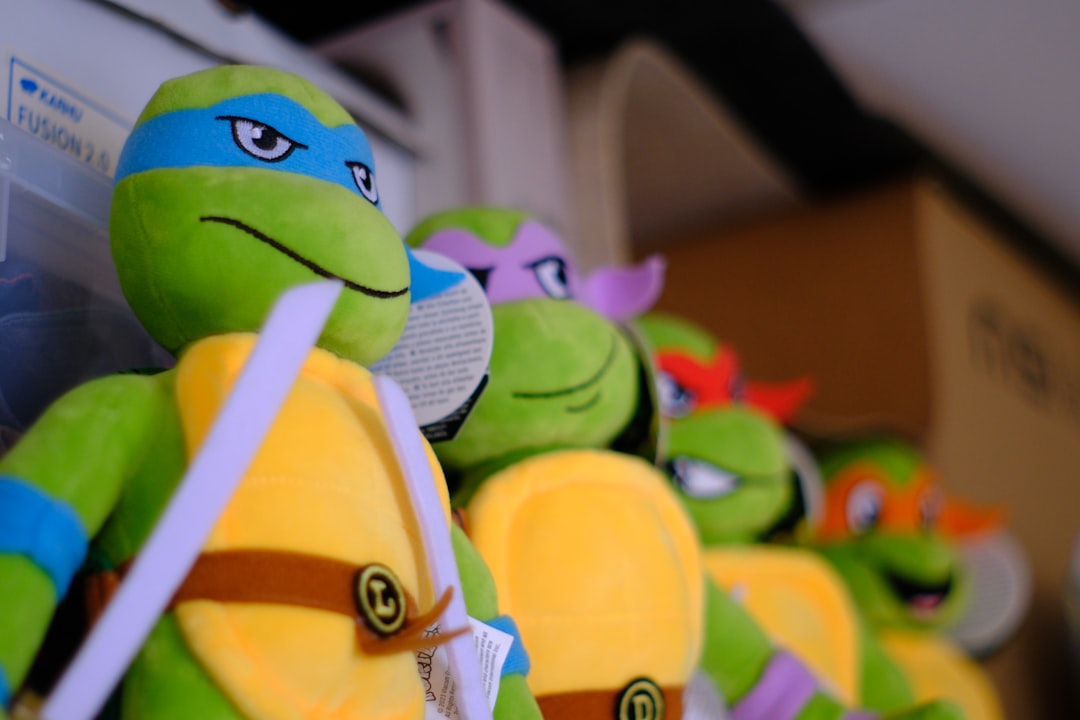
Imagine a pizza joint that doubles as a living museum for the teenage mutant ninja turtles—a place where fans can grab slices, buy exclusive gear, and feel like they’ve stepped into a comic book. That’s the idea behind the first official TMNT Pizzeria in Santa Monica. While many people flock to it for nostalgia, the business behind the doors offers real lessons in how money works when a big brand spins up a themed restaurant. For personal finance fans, this isn’t just about pizza; it’s a case study in branding, costs, revenue streams, and budgeting for experiences.
The Concept: Immersive Brand, Real Costs
Paramount opened a 3,000-square-foot space on a busy Santa Monica promenade, aiming to translate decades of TMNT lore into a tangible dining and shopping experience. The venture leans into the franchise’s New York roots, with decor that nods to the turtles’ underground world, their early cartoon days, and pizza obsession. While the atmosphere is playful, the operation faces serious financial decisions—from rent and labor to dough fermentation and water quality adjustments that affect crust and taste.
Beyond the imagery, the pizzeria sells slices, whole pies, exclusive merchandise, and even special events. This multi-channel approach mirrors how many modern small businesses diversify revenue to weather market shifts. For fans, it’s a dream game; for economists and personal finance enthusiasts, it’s a practical demonstration of how branding can support price points, margins, and recurring cash flow.
How a Themed Menu Becomes a Revenue Engine
Every item on the menu is designed to deliver value while supporting a higher-margin business model. A few examples of menu thinking that show up in themed concepts include:
- Standard items (dine-in slices and pies) priced to attract frequent visits, with higher-margin add-ons like specialty toppings or combo deals.
- Exclusive merchandise that carries strong markups and capitalizes on brand loyalty.
- Merch bundles and party packages that increase average order value and invite group bookings.
- Events and experiences that create lasting memories while generating incremental revenue.
Pricing, Costs, And The Real Budget Behind Wonder
Opening a themed restaurant isn’t just about clever branding. It requires careful financial planning. Some of the cost considerations in a project like this include rent, renovations, licenses, insurance, food costs, staff wages, marketing, and the costs of maintaining specialty equipment. Restaurant owners often target a specific food cost percentage (the share of revenue that goes to food) and labor cost percentage to ensure a healthy overall margin. In a story like this, the goal is not just to delight fans but to balance price points with the actual cost structure.
For readers aiming to sharpen personal finances, the key takeaway is: price points should reflect the total cost of ownership. If you’re budgeting a big purchase—like a family vacation with a theme or a limited-time experience—factor in the ticket price, food or extras, transportation, and any merchandise or souvenirs. The total trip cost should be evaluated against the long-term value you expect to receive from the experience.
Example Price Ranges To Watch
The pizzeria’s price points tend to align with what you’d expect from a quality neighborhood spot plus the premium of a branded experience. While exact prices vary by location, you can model a rough framework for your own budgeting:
| Item Type | Typical Price Range | Revenue/Value Insight |
|---|---|---|
| Dine-in Slices | $4–$6 | Low per-item price drives impulse visits; high turnover helps cash flow |
| Whole Pies | $20–$34 | Higher spend per table; supports labor and kitchen capacity |
| Exclusive Merchandise | $15–$85 | High-margin upsell with brand loyalty payoff |
| Events/Parties | $200–$600 per booking | Low incremental cost per guest but strong revenue when booked |
When you read these numbers, imagine applying them to your own finances. If you’re planning a big family outing, think about a menu of options that can raise the value of the day while keeping total spending within a target range. For example, you could pick a main dish, two add-ons, a souvenir, and a small activity—then estimate the total cost and compare it to your budget before you book.
Branding, Licensing, And The Hidden Costs
The TMNT pizzeria relies on licensing to turn fans into visitors and shoppers. Licensing agreements let a venue legally sell branded food, apparel, and experiences. But licensing isn’t free. Royalty payments, brand guidelines, and quality control requirements all factor into the bottom line. For a consumer thinking about personal finances, the licensing angle is a reminder: brand power matters, but it comes with built-in costs that can influence pricing and margins.
In personal terms, this translates to the value of licensing your own passions. If you want to start a side project around a beloved hobby, consider how you’ll monetize it without sacrificing your budget. Will you license your time, your skills, or your own small products? Each option has a cost and a potential return, just like a TMNT-branded storefront.
Where The Money Comes From: Diversified Revenue
The Santa Monica location isn’t just a pizza shop; it’s a multi-channel business. The main streams include:
- Dine-in food revenue from slices and pies
- Merchandise sales built around characters and branding
- Special events and experiences that command premium pricing
- Potential sponsorships or partnerships with media franchises
For regular households, the lesson is simple: diversify your income where possible. A steady paycheck plus a side gig or small-scale online shop can create a more resilient financial cushion, especially when times get tight.
From Pop Culture To Personal Finance: What You Can Take Home
The unexpected economics behind a themed restaurant can teach practical money habits. Here are the core ideas to carry into your own finances:
- Value over hype: A strong brand draws people in, but sustained profits require a reliable product and good cost controls.
- Multiple revenue streams: Don’t rely on one source of money. Diversification reduces risk and increases opportunities for growth.
- Price with purpose: Set prices that cover costs and leave room for profit, then evaluate whether customers see the value.
- Experience as asset: People pay for memories—use that to justify thoughtful spending on experiences that pay off in happiness and satisfaction.
Personal Finance Takeaways: Turning a Theme Into Healthy Habits
Let’s translate the TMNT pizzeria lesson into practical steps you can apply today:
- Set a clear budget for experiences: Decide the maximum you’re willing to spend on a single outing, then add a small buffer for souvenirs or extra treats.
- Plan for the total cost: Think beyond the ticket price. Include meals, snacks, merch, and transport when estimating the cost of a day out.
- Create a mini ‘brand budget’: If you pick up a hobby, allocate a small amount monthly for gear or memorabilia. Reinvest profits from any side hustle back into the fund.
- Experiment with small bets: Try a small-scale side project around what you love (like selling digital art or crafts) and measure the response before committing big money or time.
FAQ: Quick Answers For Smart Money Moves
Q1: What makes a themed restaurant financially successful?
A clear concept, strong branding, diversified revenue streams, and disciplined cost control. The most sustainable brands balance price with perceived value and manage operating costs like payroll and food waste carefully.
Q2: How should a consumer think about spending at a branded venue?
Look at the total value: meal quality, ambience, and any extras (merch, events). Set a cap before you visit, and try to stick to it. It’s easy to overspend when the experience feels special, so pre-commitment helps.
Q3: How do licensing costs affect family budgets in consumer products?
Licensing can raise prices because it covers rights, royalties, and quality standards. As a consumer, you’re paying for the brand assurance. As a buyer, you can weigh whether the premium aligns with your values and budget.
Q4: What can adults learn from the TMNT example about budgeting and branding?
Branding matters: a strong story increases willingness to spend. Budget smartly by anticipating a total cost of ownership for experiences and by building multiple income streams in your own life—whether through side gigs, investments, or smarter everyday choices.
Conclusion: Money, Memories, And Measured Moves
The first official Teenage Mutant Ninja Turtles Pizzeria in Santa Monica blends fantasy with disciplined finance. It shows how a compelling brand can drive foot traffic and multi-channel sales while reminding readers that every dream project carries real costs. For families and individuals, the big takeaway isn’t just about liking pizza or a beloved franchise. It’s about applying brand-based thinking to your own money habits: define value, diversify options, price with purpose, and treat experiences as investments in happiness and growth. By approaching both entertainment and finances with a mix of playful curiosity and practical planning, you can enjoy the best of both worlds—great food and solid money management.

Discussion