A Turning Point in How It Operates
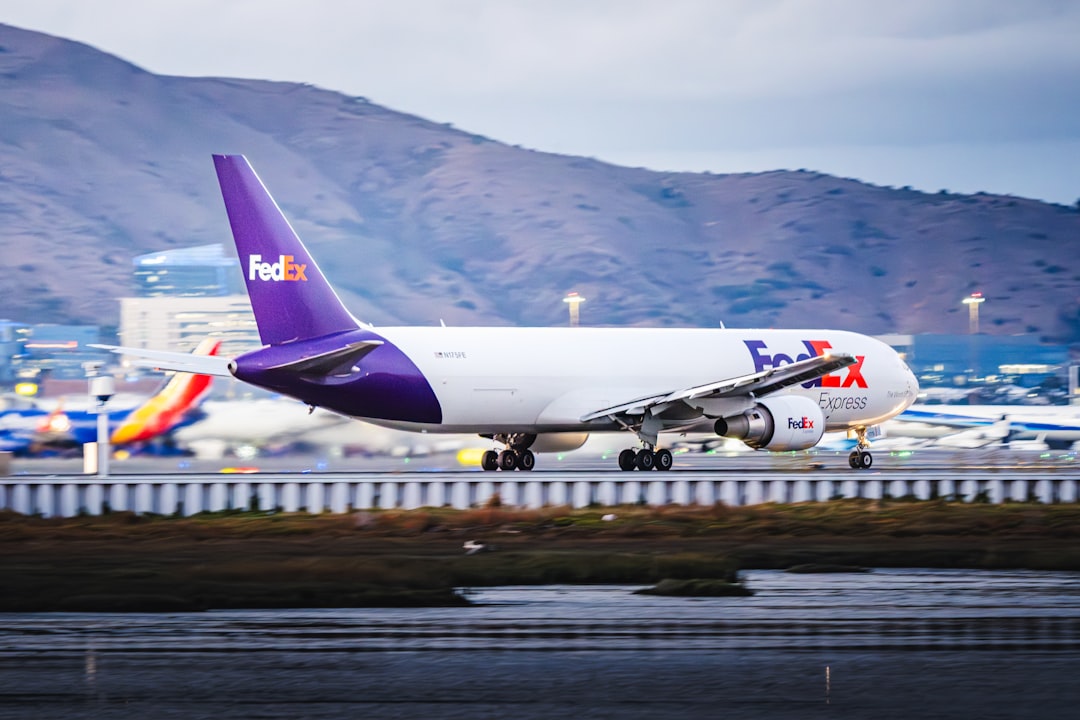
In June 2026, FedEx Freight completed its spin-off, stepping out as an independent company after years of operating inside a parent group nearing $90 billion in annual revenue. The freighter unit now runs its own show, with roughly $9 billion in annual revenue and one of North America’s largest less-than-truckload networks. The shift puts serious distance between the freight and parcel operations, allowing both to pursue distinct strategies and investment cadences.
Leadership at the freight unit says autonomy is not a finish line but a starting point. Decisions on capital allocation, technology investments, and the go-to-market approach will now be governed by the needs of LTL customers rather than the broader parcel business.
- Capital allocation decisions are expected to move toward the logistics backbone that serves LTL customers.
- Technology investments will be tailored to freight-specific needs, not the broader FedEx tech stack.
- A dedicated sales organization will focus on the unique demands of small- and medium-sized shippers.
- Network optimization will lean on AI and machine learning to improve routing, pricing, and service levels.
- Growth opportunities in healthcare, food & beverage, and small-business segments will be pursued with a sharper eye on unit economics.
One executive described the transition as a deliberate rewrite of the operating playbook, timed to a market that increasingly rewards specialized, data-driven service models. The company is racing to modernize systems that were once optimized for parcel delivery, retooling them for the less-than-truckload market’s cadence and constraints.
The Management Lesson Behind FedEx
Industry observers are framing the move as a real-time test of what some call the "management lesson behind fedex." This frame argues that a business must align its structure with the market it serves, even if that means breaking away from a larger organization to gain agility and focus.
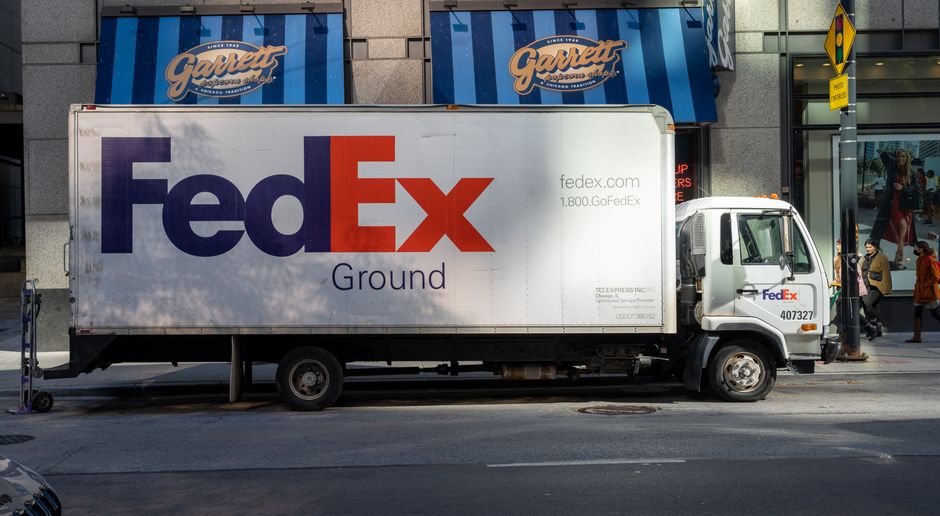
Supporters say independence lets the freight arm move faster on three core fronts: capital discipline, customer alignment, and technology roadmaps. As a result, the unit can chase niche growth without diverting attention from the parent’s broader parcel strategy. In the words of a freight unit executive, the separation is a strategic reset rather than a final destination.
To translate that philosophy into practice, the freight unit is prioritizing a freight-specific data playbook. The company collects dimensional data on every shipment and is building analytics to turn that information into actionable routing and service decisions. The expectation is that better visibility will reduce costs and boost service reliability across the network.
- The focus is on capital allocation that supports freight growth and efficiency, not on cross-subsidizing from other units.
- A separate sales force is being built to deepen relationships with midsize clients who often need more hands-on service than large parcel customers.
- Technology investments will prioritize speed to market for new offerings, with a freight-dedicated product roadmap.
- AI and machine learning will be deployed to optimize network flows and improve on-time performance.
- Expansion efforts will target healthcare shippers, the food and beverage sector, and small businesses seeking reliable LTL services.
Supporters note that the management lesson behind fedex is not about abandoning the parent but about ensuring the unit can prove its own case. Independence creates accountability for results and a clearer path to measuring ROI on investments that directly affect customers’ freight experiences.
Market Timing and Current Conditions
The timing of the spin-off aligns with a freight market that has shown volatility but also pockets of growth. In mid-2026, shippers continue to weigh cost, service quality, and delivery speed, while capacity tightness in certain corridors supports pricing power for reliable LTL networks. The move also comes as investors scrutinize how logistics groups allocate capital across multiple segments in a macro environment defined by inflation pressures, fuel costs, and evolving e-commerce demand.
Analysts caution that the endeavor will require more than a sharp strategic statement. A long runway of execution is needed to translate the independence into earnings growth, margin stability, and sustainable market share gains. One industry watcher noted that the freight unit faces a steep but achievable path if it proves it can translate data insights into tangible savings and better customer outcomes.
Still, the broader market backdrop favors specialization. Investors have grown more comfortable with focused plays that deliver clear unit economics and a direct correlation between capital spent and customer value. The FedEx Freight spin-off serves as a live case study for how a unit can be structured to navigate that landscape rather than relying on a behemoth’s scale alone.
What Investors Will Be Watching
- Profitability trajectory: How quickly can the freight unit translate data-driven insights into margin improvements?
- Capital efficiency: Will investments in technology and sales infrastructure produce a measurable ROI within 12-24 months?
- Customer retention and mix: Will the new sales force capture a higher share of mid-market and healthcare-related shipments?
- Network reliability: Are AI-driven optimization efforts translating into lower dwell times and fewer missed pickups?
- Competitive dynamics: How will other freight and logistics players respond to a more autonomous, freight-focused FedEx unit?
The management lesson behind fedex, in this framing, is less about a single decision and more about disciplined execution. If the freight unit can demonstrate that autonomy reliably yields faster, cheaper, and better service for its niche, the spin-off could become a blueprint for other corporate separations in the current market environment.
Bottom Line for Markets and Workers
For investors and industry watchers, the spin-off is a reminder that structure matters as much as strategy. The management lesson behind fedex suggests that the right operating model can unlock faster product development, more precise customer targeting, and improved capital discipline—provided leadership executes with rigor and keeps a clear line of sight to cash flow and service quality.
As the freight market continues to evolve in 2026, the independent FedEx Freight will be watched closely for signs that a more focused, data-driven approach can outpace broader, multi-segment logistics giants. If it does, the industry’s ongoing search for the right balance between scale and speed may have found a new, real-world blueprint. That would be a win not just for a single unit, but for investors chasing durable, profit-friendly growth in a complex global supply chain.



Discussion