
Introduction: When Money Becomes a Hidden Battleground
Financial tension often hides behind smiles and routines. In many households, the same dynamics that once built a sense of closeness can also quietly erode wealth and security. If you’ve ever asked yourself how a controlling attitude around money can derail plans, you’re not alone. This guide explores how to recognize the patterns, protect your hard-earned money, and rebuild financial independence—especially when the same person that you relied on for support turns out to be a financial obstacle.
What Is Financial Manipulation and How It Affects Your Money
Financial manipulation is a pattern where one person exerts control, secrecy, or coercion over money decisions. It can show up as hidden debts, pressure to borrow, inflated household expenses, or pressure to co-sign loans. The impact isn’t just on balance sheets; it erodes trust, sleep, and long-term goals. In the context of personal finance, recognizing manipulation is the first step toward regaining control.
Common Red Flags
- Unprompted changes in spending that someone else must approve before you see them.
- Pressure to take on debt you don’t fully understand or agree with.
- Secret transactions, transfers, or unexplained withdrawals from shared funds.
- Justifications that money is “for the family” while you receive inconsistent updates or little transparency.
- Promises to “fix” your finances that rely on your involvement, but never deliver measurable results.
Spotting the Pattern: the Same Person That Keeps Recreating the Problem
The phrase the same person that appears in many stories isn’t just a headline; it describes a cycle. The same person that offered help may later withhold information, create debt traps, or undermine your savings plan. The problem isn’t a one-time lapse; it’s a recurring pattern that can derail your financial future if you don’t intervene early.
Consider a hypothetical you might recognize: a partner or close associate who insists on joint decisions but consistently bypasses your input or hides crucial facts about a loan, investment, or big purchase. The same person that previously celebrated a new gadget might later pressure you into escalating debt to finance it. The risk isn’t just debt; it’s the erosion of your financial autonomy—your ability to plan, save, and invest in the life you want.
- The same person that once pushed a large expense can suddenly require you to cover it after the fact.
- The same person that talks about “family duty” can shift responsibility onto you whenever a bill comes due.
- Text messages, emails, or chats that quietly undermine your confidence in saving or investing—these micro-pressures add up over time.
Action Plan: How to Break Free and Secure Your Finances
Breaking the cycle starts with concrete steps that put you back in the driver’s seat. Here’s a practical plan you can implement this month, using real-world numbers and timelines.
1) Separate and Protect Your Core Finances
- Open a personal checking and savings account if you don’t already have one that is solely in your name.
- Set up automatic transfers to savings on payday (for example, $120–$240 monthly, depending on your income level).
- Consider a credit freeze on your credit reports with the major bureaus to prevent new accounts from being opened without your explicit consent.
2) Build an Emergency Fund You Can Trust
Targets vary, but a practical starting point is 1–2 months of living expenses, then aiming for 3–6 months. In a typical scenario, monthly expenses of $3,200 suggest afund target of $9,600–$19,200. If you’re currently juggling debt and uncertain about job security, start with $1,000 as a payday cushion and escalate as you pay down high-interest balances.
3) Protect Your Credit Score and Monitoring
Your credit score is a snapshot of risk in your financial life. The same person that tries to bypass transparency may also try to influence decisions that affect your score. Here’s how to safeguard it:
- Freeze or place a credit lock with the major bureaus until you’re ready to apply for credit yourself.
- Set up monthly credit-monitoring alerts for new inquiries and new accounts in your name.
- Review your free annual credit reports from AnnualCreditReport.com and dispute inaccuracies promptly.
4) Create a Debt-Management Roadmap
If debt is part of the problem, adopt a step-by-step plan to reduce it. The “debt snowball” method—tackling smallest balances first—can provide quick wins and build momentum. Here’s a simple framework:
- List all debts from smallest to largest balance.
- Allocate any extra money toward the smallest balance until it’s paid off.
- Move the freed payment amount to the next balance and repeat.
- Aim to reduce high-interest debt first if interest rates are dramatically different.
5) Set Boundaries and Build a Support System
Boundaries are the foundation of financial safety. Decide which decisions require your personal approval and who can access your financial information. Communicate clearly and document outcomes. A support network—for example, a trusted friend, a financial counselor, or a therapist—can help you stay accountable and emotionally supported during a transition.
Practical Budgeting: A Simple, Real-World Example
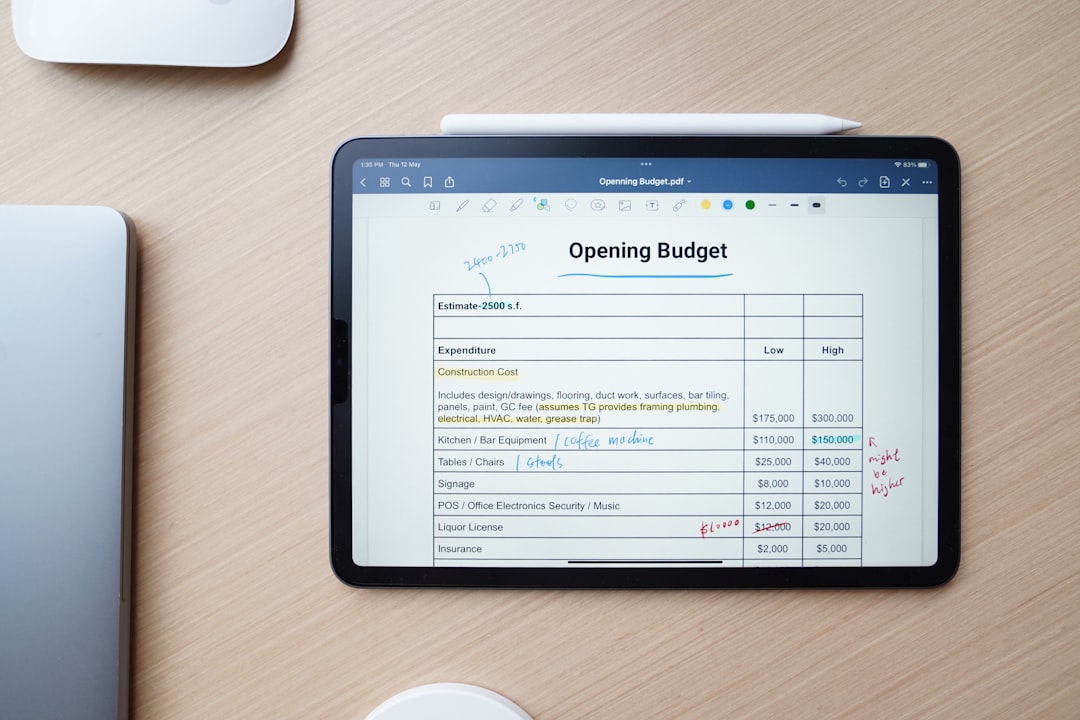
Budgeting is not just about numbers; it’s about restoring control and reducing ambiguity. Here’s a straightforward example showing how you could allocate take-home pay of about $4,000 per month after taxes. Adapt to your actual income and expenses.
| Category | Amount | Notes |
|---|---|---|
| Housing (rent/mortgage) | $1,400 | Stable housing reduces risk of sudden moves or coercive changes. |
| Utilities and groceries | $850 | Shop with a list; avoid impulse buys. |
| Debt payments (minimums + snowball) | $600 | Prioritize highest-interest first if needed. |
| Savings / emergency fund | $300 | Automate; increase as debt falls. |
| Discretionary / fun | $200 | Small pleasures prevent relapse into overspending. |
| Transfers to separate account | $150 | Build a personal buffer outside shared funds. |
| Surplus / buffer | $500 | Extra for unexpected costs or investments. |
In this scenario, you’re prioritizing autonomy and safety. The numbers aren’t magical; they’re a framework you can adjust. The key is to automate, monitor, and adjust as you gain confidence and reduce risk exposure from the same person that previously controlled decisions.
Behavioral and Social Aspects: Staying Strong When Emotions Run High
Money decisions aren’t only about math. Emotions and social pressure can push you toward short-term fixes that worsen long-term outcomes. If you’re rebuilding after financial manipulation, focus on predictable routines, accountability partners, and professional guidance when needed.
- Track your progress publicly or privately—whichever keeps you accountable without exposing you to shame.
- Journal decisions and outcomes. A 60-day log of decisions helps you recognize harmful patterns.
- Seek a financial therapist or counselor if guilt, shame, or anxiety makes it hard to act rationally.
Legal and Practical Steps to Protect Yourself
In certain cases, financial control crosses into risky territory that may require legal clarity. Here are practical, non-legal-risk steps you can take now:
- Document agreements and decisions in writing—emails, texts, or notes from conversations.
- Limit shared accounts to what’s essential and only with explicit consent.
- Consult a financial advisor to design a plan that aligns with your goals and protects your assets.
Realistic Expectations: Progress Over Perfection
Reclaiming financial independence is a gradual process. Expect setbacks, but also expect momentum as you build new habits. Each small victory—like opening a separate savings account, paying down a debt, or enrolling in a credit-monitoring service—adds up over time.
FAQ
Q1: What exactly is financial manipulation, and how can I tell it apart from normal budgeting disagreements?
A1: Financial manipulation involves controlling money decisions through secrecy, coercion, or emotional pressure rather than collaborative budgeting. Normal disagreements focus on better plans, preferences, or trade-offs, while manipulation tends to undermine autonomy and transparency.
Q2: How fast can I realistically rebuild my finances after a pattern of control?
A2: It varies by income, expenses, and debt load. A practical target is to establish an emergency fund of 1–3 months, then expand to 3–6 months within 12–24 months. Automating savings and isolating accounts accelerates safety and progress.
Q3: Should I involve a professional if I feel observed or pressured about money?
A3: Yes. A financial advisor, credit counselor, or financial therapist can provide objective guidance, help you design a protective plan, and keep you accountable without emotional bias.
Q4: What if the same person that caused this issue is a spouse or partner?
A4: If you’re in a domestic situation, prioritize safety first. Consider speaking with a legal professional about separation of finances, protective orders if needed, and local resources for financial and emotional support.
Conclusion: Reclaiming Control and Building a Future You Can Trust
The money story you write now isn’t about a single decision; it’s about a pattern you choose to interrupt. The same person that caused financial stress can’t dictate your future if you replace secrecy with transparency, fear with reliable routines, and dependence with autonomy. By building a clear boundary between your personal and shared finances, creating steady savings, and leveraging professional guidance when needed, you protect not only your wallet but also your peace of mind. Remember: you deserve financial security that you control, and you can get there one practical step at a time.

Discussion