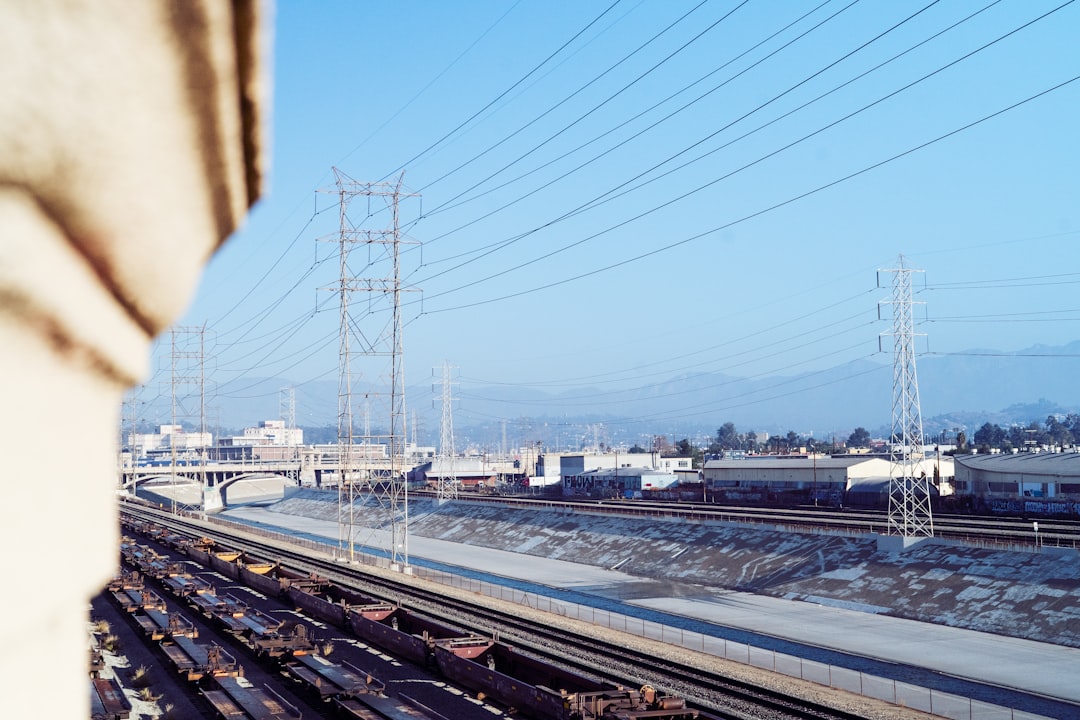
Three Grids, One Challenge
The U.S. power system isn’t a single, seamless machine. In plain terms, the u.s. power grid isn’t a single, interconnected web but three distinct engines: the Eastern Interconnection, the Western Interconnection, and ERCOT—the Texas grid. Each zone operates largely on its own, with only a trickle of high‑voltage links to its neighbors. When demand spikes or a storm knocks out generation in one region, the others can’t reliably fill the gap.
That separation isn’t a new curiosity; it’s a design choice with real consequences. Analysts say the limited cross-border transfer capacity makes it harder to rebalance supply quickly during heat waves, cold snaps, or widespread outages. A senior grid analyst described the dynamic this way: “There’s a wire into the crisis,” underscoring how the absence of robust interconnections can turn a regional hiccup into a regional crisis.
In the current environment, the fragmented layout of the nation’s grid is front and center as weather extremes become more frequent. The three interconnections cover roughly the same land area as entire countries and host thousands of miles of transmission lines. Yet when a hurricane, wildfire, or blizzard knocks out a plant, there are few ready-made routes for electricity to travel from a surplus region to a deficit one.
Why It Matters This Blackout Season
Past outages offer a clear warning. In 2021, a brutal winter storm left millions in Texas without power for days and caused water shortages as facilities failed. The crisis forced operators to implement deliberate outages even as other parts of the country used power normally. The result: millions faced days without heat, cooling, or clean water, and the state’s hospitals grappled with logistical hurdles.
More recently, Hurricane Helene in 2024 knocked out electricity for about 5 million customers across the U.S. Southeast. The storm illustrated another problem: even when electricity is available somewhere nearby, it cannot always be tugged across borders quickly enough to prevent blackouts in the worst-hit pockets. The lesson from Helene was not just the weather, but the grid’s architecture.
Historical Signals and Current Plans
The core issue is how little cross‑regional transmission capacity exists between the interconnections. During the 2021 Texas event, the ERCOT grid faced the dual challenge of reduced gas supply and a firestorm of demand. Operators were forced to shed load to avert a wider collapse, and imports from other interconnections covered only about 6% of the demand at peak times. The result was the largest planned outage event in modern U.S. history, with millions of households and critical services disrupted for days.

Today, lawmakers, regulators, and utility operators are weighing upgrades that would widen the flow of electricity between regions. Proposals include new high‑voltage links and expanded substations designed to move more power into Texas and the Southeast during emergencies. A plan nicknamed the Southern Spirit corridor has emerged as a focal point for bipartisan discussions about how to boost cross‑border capacity. Officials say these upgrades could shorten recovery times after severe weather and dampen price spikes when grids face stress.
What the Numbers Say
- Three interconnections govern the bulk of U.S. electricity transmission: Eastern, Western, and ERCOT (Texas).
- 2021 Texas blackout impacted more than 4.5 million people who lost power at the height of the crisis.
- During Helene in 2024, roughly 5 million customers across the Southeast faced outages or service interruptions.
- In the 2021 event, imports from neighboring grids could cover only around 6% of Texas demand at peak stress.
- Policy discussions focus on new cross-region links and upgrades that would raise transfer capacity and resilience across the interconnections.
What This Means for Your Wallet and Your Home
For households and small businesses, the grid structure translates into real costs and real risks. When outages persist, they don’t just disrupt routines; they hit budgets—especially for people who rely on air conditioning in summer heat or heat in winter storms. For families juggling bills, outages can push groceries toward spoilage, drive higher cooling costs, or force temporary housing for those without power to run medical devices.

Experts emphasize that improving cross‑regional transfers could help temper price swings during peak demand. But even with potential grid upgrades, consumers should plan for weather volatility. Here are practical steps, aligned with the broader grid resilience push, to shield households from the sting of outages and price spikes:
- Build a dedicated emergency fund to cover at least two months of essential expenses in case of extended outages.
- Consider insurance reviews that address business interruptions or extended outages, if you rely on equipment or devices at home.
- Assess weather‑related resilience at home: insulation, sealing, and energy‑efficient appliances reduce demand during peak hours.
- Evaluate backup power options, such as portable generators or home battery storage, and understand the safety and maintenance requirements.
- Optimize your energy usage with smart thermostats and load‑management programs offered by utilities, which can lower bills during peak demand periods.
Putting the Pieces Together
The country’s grid is not designed to be a single, seamless artery of electricity. It isn’t a single machine; it’s three regional systems with limited direct ties to one another. That design matters most when weather or demand spikes sweep across multiple regions, leaving one area lit while another goes dark. The u.s. power grid isn’t built to instantly shuttle power across thousands of miles when a crisis hits; it’s built to rely primarily on domestic, regionally balanced supply and generation assets.

Policy makers and utility leaders stress that the path forward is not a silver bullet but a suite of upgrades—new high‑voltage lines, faster cross‑regional transfer capabilities, and investments in weatherization and demand response. The goal is to shrink the time between a regional shortfall and the arrival of power from a neighboring grid, reducing outage durations and stabilizing prices for households and small businesses alike.
Closing: A Nation’s Demand for a More Connected Grid
As communities face hotter summers, colder winters, and more intense storms, the need for a more connected, resilient grid grows clearer. The task is not simply about wiring more lines; it’s about coordinating planning, funding, and construction across multiple jurisdictions to create a system that can weather the next big storm. In this moment, the focus is on steady, deliberate upgrades that can keep the lights on without burying families under higher bills.
Ultimately, the u.s. power grid isn’t just an engineering puzzle; it’s a financial and social one. Fixing it isn’t a luxury for infrastructure fans—it isn’t a luxury for anyone who depends on reliable electricity for work, health, and daily life. It’s a basic pillar of economic security, and the cost of inaction would show up in higher outages, bigger price swings, and longer recovery times for communities across the country.
Key Takeaways for Readers
- The U.S. grid operates as three separate interconnections rather than a single, unified system.
- Historical blackouts reveal how gaps between interconnections can magnify outages and costs.
- Proposed upgrades aim to boost cross‑regional transfer capacity and resilience, with projects like the Southern Spirit corridor in early planning stages.
- Households should diversify prepared‑ness strategies—from emergency funds to weatherization—to manage risk during blackout season.


Discussion