
WorldSkills Reclaims its Olympic Spotlight for Skilled Trades
As markets tighten around the need for skilled labor, this fall’s WorldSkills competition will again put the world’s best in technical crafts on display. The event, lasting several days and drawing competitors from dozens of countries, functions as the Olympics of the trades. In a groundbreaking turn, the United States will be represented in welding by a standout community college student whose path from campus bench to global stage is resonating beyond the workshop.
At the center of the story is a student from Washtenaw Community College, who earned the U.S. slot by triumphing at the USA Weld Trials earlier this year. The victory didn’t just grant a passport to Shanghai or another host city; it signaled a broader shift in how nontraditional education routes can deliver global-ready skills. This community college student is charting a course that blends discipline, mentorship, and a careful eye on the economics of a craft career.
For This Community College Student, History in the Making
Competition day is not just about who owns the brightest torch or the sharpest bevel; it’s a test of timing, precision, and the ability to pace performance under pressure. The student describes the journey as a grind that blends technical execution with real-world budgeting. “This isn’t merely about breaking barriers for gender or title,” the student said in a recent interview. “It’s about proving the craft can stand up to the world stage while demonstrating financial discipline behind the scenes.”
The coach who has guided this community college student through the USA Weld Trials and into international prep circuits notes that the effort is expansive. He estimates a schedule that spans continuous practice weeks, cross-border clinics, and international expos in the months ahead. The team’s plan calls for travel across North America before heading to Europe and Asia for tune-ups ahead of the fall event. The aim is clear: translate classroom competence into world-class performance while balancing the financial realities that come with elite competition.
A Financing Framework Behind the Dream
Personal finance is a building block of the story. Community college tuition is often far more affordable than a four-year degree, but the true cost of pursuing a welding career includes equipment, safety gear, travel, and time away from work or school. This year Washtenaw Community College rolled out a welding scholarship pool totaling tens of thousands of dollars to support students who are competing at national and international levels. The funds help cover travel, competition fees, and equipment upgrades, easing a barrier that can deter otherwise-qualified applicants from pursuing WorldSkills-worthy training.
For this community college student, the financial math is as important as the metalworking. Scholarships and employer stipends can help offset loss of part-time wages during intense training cycles. Yet the payoff is real: wage data for welding-related roles point to a sturdy mid-career trajectory. Entry wages typically hover in the mid‑$40,000s, with room to grow into higher-skill niches—industrial fabrication, pipeline welding, or aerospace components—where compensation can exceed six figures for experienced practitioners with the right certifications and security clearances. The takeaway for families evaluating this pathway is that earning potential scales with a disciplined blend of hands-on skill, certification, and work experience.
- WorldSkills footprint: more than 60 nations represented at the event and hundreds of technicians competing across dozens of trades.
- Practice intensity: roughly 75–80 hours per week during peak training weeks, with structured drills and staged performance breaks.
- School pipeline: Washtenaw Community College has produced several WorldSkills welding qualifiers, underscoring its role as a national talent hub.
- Career payoff: entry-level welders face mid‑$40,000s; specialized roles and certifications can push earnings higher as proficiency and demand grow.
Washtenaw Community College’s Welding Legacy and the Road Ahead
The college maintains a long-running track record of developing top welders who compete successfully on global stages. A faculty mentor who has guided multiple WorldSkills entrants emphasizes that the program blends rigorous hands-on training with a pragmatic approach to finances. He notes that the typical student benefits from on-campus facilities, access to paid internships, and connections with regional manufacturers eager for skilled welding capacity. This history of success adds weight to the current student’s bid to expand the college’s legacy on the world stage.
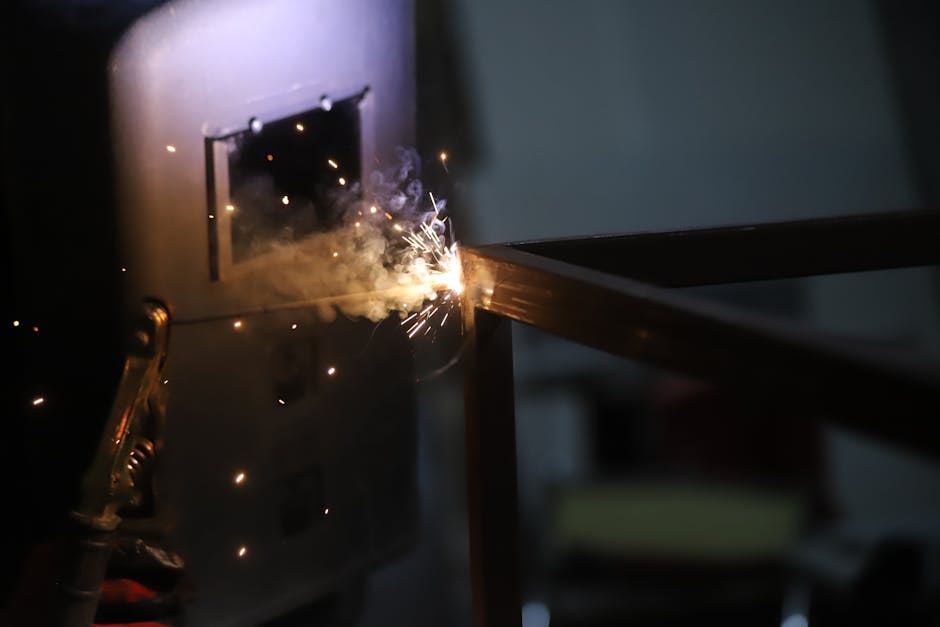
Mentors describe an environment that pushes students to push back against stereotypes—showing that precision, patience, and technical know-how can carry more than just a trophy. The student’s message to prospective welders is straightforward: the craft rewards consistency, not just speed or brute strength. Yet she also stresses that a focused financial plan is part of the skill set: budgeting for travel, gear, and gear upgrades, while maintaining a steady course through a demanding program.
What WorldSkills Means for Local Economies and Workers
WorldSkills is more than a spotlight event; it’s a live indicator of a country’s training infrastructure and its ability to supply skilled labor to manufacturing and infrastructure projects. The United States’ presence in welding offers a case study in how community colleges can serve as a bridge between students’ aspirations and employer demand. For communities, the payoff extends beyond medals. A stronger pipeline of certified welders supports local businesses—from shipyards to construction firms—who rely on reliable, high-quality fabrication and repair work.
Observers say that the “this community college student” story resonates with families weighing higher-education choices. It demonstrates that a well-funded, hands-on program at a community college can produce a career track with strong earning potential, robust apprenticeships, and pathways to advancement without the burden of four years of college debt. The broader message is that the United States is expanding access to high-end trades training, and that doing so can strengthen regional wages and economic resilience in manufacturing corridors nationwide.
Beyond the Competition: The Personal Finance Angle
The personal finance implications extend well beyond the competition floor. Students and families are watching two time horizons: the immediate cost of intense training and travel, and the longer-term payoff of a stable, high-demand career. Scholarships, stipends, and employer sponsorships can alleviate upfront costs, but students still juggle tuition, equipment, and the potential loss of part-time earnings during prep periods. The intent is not to glamorize the journey but to highlight a viable, fiscally responsible path toward a skilled-trades career that can deliver financial security even before a first full-time job is secured.
Looking ahead, this community college student will participate in a series of prep events designed to sharpen technique while building a professional portfolio. The experience will be valuable not just for the competition but for the student’s personal finances: a stronger resume, more diverse skill sets, and a network of potential employers who value certified, reliable welders. The ultimate success story would blend medal-winning performance with a sustainable financial plan that makes this pathway accessible to more students from diverse backgrounds.
The Journey Continues: Timeline and Next Steps
The immediate next milestone is the global contest in September, where the United States will showcase the welding talent that was cultivated back on campus benches and in late-night practice sessions. In the weeks leading to the event, the coaching team plans to refine technique, fine-tune equipment setups, and coordinate travel logistics. For this community college student, the preparation contains a larger aim: to prove that education at a community college can propel a student toward the highest levels of international competition while anchoring a healthy financial future.
As the countdown begins, students, families, and local employers watch closely. If the student’s performance matches the level of preparation and discipline shown during trials, the result could extend beyond a scorecard. It could redefine what a community college can deliver to students who want to pursue elite trades careers without taking on unsustainable debt. The message is clear: with the right investments, this pathway can deliver both prestige and practical outcomes for workers who build the world’s infrastructure every day.



Discussion