Recall at a Glance
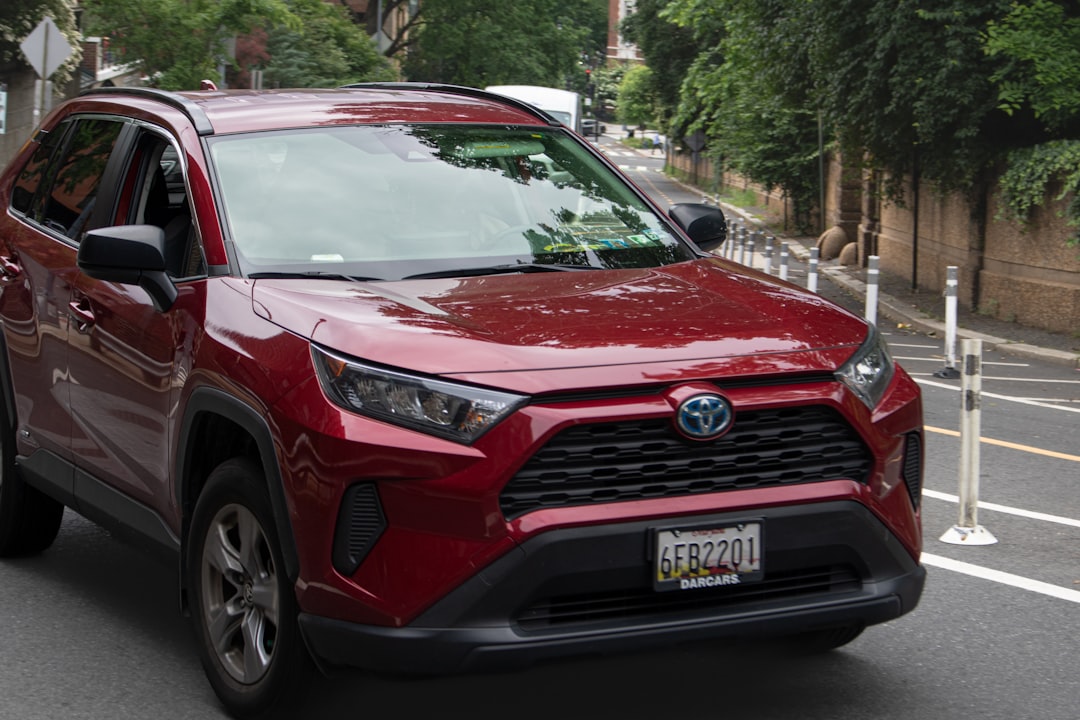
Toyota is issuing a global recall for about 550,000 Highlander and Highlander Hybrid SUVs after a front seat latch defect can fail to hold the seat in place. The risk, according to safety regulators and the company, is that an unlatched seat could shift during a crash, increasing the chance of injury for occupants and others in the vehicle. Toyota and regulators said the fix will be offered at no cost to owners, with parts and labor covered under the recall.
Analysts note this is part of an ongoing wave of safety recalls affecting major automakers, and the news is already shaping consumer sentiment as buyers consider SUV purchases in a tightening market. toyota recalls 550,000 highlander has become a talking point for lenders and insurers monitoring how manufacturers address defects that could affect vehicle safety and resale value.
What Happened
Toyota confirmed to federal and regional safety agencies that the front passenger seat latch mechanism can bind or fail to lock properly. When the latch does not secure, the seat can move forward or rearward under certain conditions, potentially compromising occupant protection in a crash. The company said a no-cost repair will replace or adjust the latch assembly as needed, and dealerships will handle it as quickly as possible.
In its notice to regulators, Toyota stressed that the defect does not affect braking or steering systems, but it does relate to passive safety equipment designed to keep occupants properly restrained. The recall process will include a vehicle inspection to ensure the latch is functioning correctly and that no other related components are compromised.
Affected Vehicles
- Highlander and Highlander Hybrid SUVs sold worldwide
- Vehicles produced across multiple model years; the exact range will be published in official notices and on Toyota’s recall portal
- Owners can verify eligibility using their VIN on Toyota’s site or the NHTSA recall database
What Owners Should Do Now
If your vehicle is identified in the recall, Toyota urges owners to avoid using the front passenger seat until the repair is completed. Schedule a service appointment with an authorized dealer at the earliest opportunity. The repair is performed at no charge and typically takes a few hours, depending on the vehicle and part availability.
To minimize risk in the interim, ensure all passengers are seated and belted in properly and avoid placing heavy loads or child seats on the front passenger seat until the latch has been inspected by a technician.
Timeline, Parts, and Service Window
Toyota expects parts shipments to ramp up in the coming weeks, enabling dealers to complete the necessary latch replacements or adjustments. While many repairs can be done in a single visit, some cases may require a follow-up appointment if parts are back-ordered. Owners should receive instructions from their local dealer about part availability and appointment scheduling.
Some regions may offer temporary transportation options, such as loaner vehicles, if a fix requires extended time. Owners should check with their local Toyota dealer for details on rental coverage or reimbursement policies tied to the recall.
Costs, Customer Options, and Financial Impact
The recall is fully funded by Toyota, with no out-of-pocket costs for affected owners. From a personal-finance perspective, the repair eliminates an expense that could otherwise add to outgoings if a seat lock failed during a crash. Still, recalls can influence used-car values and insurance considerations in the short term, particularly for models that are popular in the SUV segment and have seen rising prices in recent quarters.
- Potential impact on resale value for Highlander models with uncertain repair status
- Insurance premiums and claim patterns may shift temporarily as owners address recall-related needs
- Lenders may watch for recall completion rates when assessing vehicle depreciation in loan portfolios
Regulatory and Corporate Response
A Toyota spokesperson said, 'We regret any inconvenience this recall may cause and are committed to correcting the issue quickly. Safety remains our top priority.' The company has coordinated with the NHTSA and comparable safety agencies worldwide and will provide regular updates on the recall progress, including parts allocation and technician guidance. The recall process is expected to begin immediately, with dealers reaching out to customers who are affected as inventory becomes available.
NHTSA officials advised owners to check the federal database for recall status and to contact their local dealers if they have not received a notice but suspect they own an affected vehicle. The agency also reminded drivers that recalls are safety improvements and should be addressed promptly to maintain optimal protection on the road.
Market Watch and Consumer Finance Angle
For investors and everyday drivers, recalls of well-known SUV models can shift pricing and financing dynamics. Dealers may see a short-term uptick in service appointment demand and a slowdown in new-vehicle backlog, depending on regional supply conditions. Auto lenders often review recall status as part of risk assessments, which can influence financing terms for buyers shopping Highlander models in a tight market. In markets where used-car demand remains robust, a swift recall completion can help stabilize pricing and reassure buyers about long-term reliability.
The broader auto market has faced recent volatility from inflation, interest-rate movements, and supply-chain adjustments. In this environment, a high-profile recall like toyota recalls 550,000 highlander underscores how safety-first initiatives intersect with consumer spending, lending standards, and insurance costs. As the recall unfolds, economists and analysts will track whether completion rates meet benchmarks and how quickly service networks can process the volume of repairs.
Key Takeaways for Owners and Shoppers
- Verify whether your Highlander or Highlander Hybrid is included by checking the VIN in Toyota’s recall portal or the NHTSA database
- Schedule repair promptly at an authorized Toyota dealer; the fix is free
- Expect potential wait times for parts in the coming weeks, with some cases requiring a follow-up visit
- Monitor insurance and resale implications as the recall progresses and parts distribution stabilizes
Closing Thoughts
The recall shines a light on the ongoing importance of vehicle safety modernization in a market where SUVs remain a top pick for families and commuters alike. As manufacturers like Toyota address potential flaws that can affect seat integrity, consumers should stay informed, act quickly on recall notices, and coordinate with dealerships to keep their vehicles safe and reliable on the road. The development also reminds shoppers that even trusted brands are subject to recalls, reinforcing the value of proactive maintenance and timely service disclosures. toyota recalls 550,000 highlander


Discussion