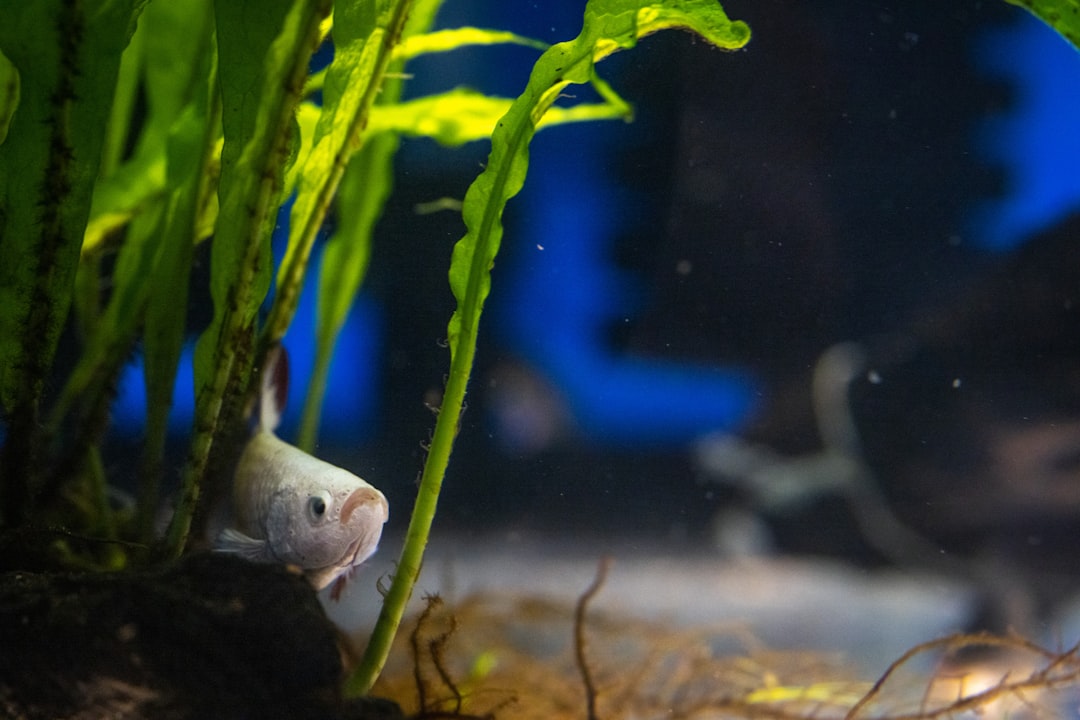
From Amazon Waters to Living Room Tanks
In a world where a small fish can illuminate big questions about money, the cardinal tetra has become a symbol of how global markets touch private budgets. As hobbyists hunt for bargains and debate tank setups, the journey of that tiny fish reveals the fragility and resilience of modern supply chains.
In today’s market climate, inflation remains a concern for households, but sellers and shippers report gradual stabilization after recent disruptions. The cardinal tetra trade sits at the crossroads of biodiversity, regulation, and consumer spending. For many households, following your aquarium fish is more than a hobby; it’s a window into how money moves from distant wetlands to neighborhood pet stores.
How the Cardinal Tetra Travels: A Global Pipeline
For consumers curious about the bigger picture, following your aquarium fish from the Amazon to your tank is a reminder that every purchase has a backstory. It’s a journey that weaves together breeders, exporters, freight operators, and regulatory checks. The fish most people see in pet stores begins life in river valleys where biodiversity is part of daily life, then travels through a carefully choreographed chain that can span continents.
Industry observers describe three pillars that keep this market moving: breeding quality and health checks, logistics that bridge long distances, and compliant ports that screen for disease and ecological risk. The latest data shows that shipments are adjusting to higher fuel costs, variable currency rates, and the rise of temperature and water-quality standards in importing countries. These factors, in turn, shape the final price tag for the consumer and the earnings of fish traders who keep the pipeline running.
Key players in the pipeline
- Breeders in Amazon basin communities who raise juveniles under regulated conditions.
- Exporters who bundle dozens to thousands of fish for shipment, often using live-animal transit specialists.
- Importers and distributors who screen, quarantine, and ship to retail outlets or online customers.
- Pet stores and online sellers who set the consumer price and provide care guidance for buyers.
Numbers That Matter: The Economics Behind a Small Fish
Experts say the global ornamental fish trade is a multi-billion-dollar business, with the cardinal tetra among the most popular species in Western markets. Here are a few indicators hobbyists and investors should know as of mid-2026:
- Global market value: roughly $1.2 to $1.5 billion in annual ornamental fish exports, with cardinals accounting for a meaningful share of live-fish shipments.
- Cardinal tetra exports: tens of millions of fish moved annually from key producing regions to North America and Europe.
- U.S. share of demand: roughly one-third of global demand, driven by a robust pet-ownership culture and a large network of hobby shops and online retailers.
- Shipping costs: freight rates for live fish rose sharply during 2023–2024, then moderated in 2025; spot costs can still be 8–15% higher than pre-pandemic levels, depending on season and fuel prices.
To put numbers in human terms, one healthy cardinal tetra can sell for as little as $2 in bulk to hobbyists, while premium specimens with color excellence or rare lineages can fetch higher prices. When transit, health checks, and quarantine add costs, the final price to the consumer reflects a long, careful journey rather than a single dollar figure. This is a key reason why small changes in fuel prices or port delays ripple through to the wallet of the ordinary shopper.
The Personal Finance Angle: Budgeting for a Global Hobby in 2026
For many families, keeping a tank is a recurring expense that blends care costs with monthly energy and water bills. The financial picture isn’t just about the fish; it’s about the whole ecosystem surrounding the hobby. Here’s how a typical budget shakes out for a mid-size freshwater setup:
- Initial setup: $200–$600 for a 20–30 gallon system, including filter, heater, substrate, and basic decor.
- Ongoing care: $5–$15 per month for food, water treatment, and replacement parts.
- Energy costs: modest increases during heating seasons; LEDs and efficient filters help keep bills down.
- Health and risk buffers: occasional veterinary checks or quarantine supplies can add $20–$50 per year if you keep more than a few delicate species.
For shoppers looking to stretch a budget, following your aquarium fish can become a case study in financial prudence. Buying from reputable sellers who provide origin documentation and health guarantees can reduce the risk of disease, which in turn lowers potential costs down the line. When market volatility hits—whether through shipping delays or currency swings—savvy buyers watch total cost of ownership, not just the sticker price at checkout.
One retailer, speaking on condition of anonymity, notes that stock quality often varies with the season. “During peak import windows, we see more supply of standard-line fish, but premium color variants can spike in price due to limited supply,” they said. That kind of nuance matters for families balancing budgets and hobby satisfaction. If you are trying to keep a hobby affordable, it helps to plan ahead for new arrivals and resist impulse buys that require rapid, expensive relocations or additional equipment.
Ripple Effects: How the Trade Affects Amazonian Communities
The economic impact of the aquarium fish trade stretches beyond the living room. In the Amazon basin, households rely on a mix of agriculture, ecotourism, and wildlife trades to fund schooling, healthcare, and local infrastructure. When demand rises for ornamental species, communities may see short-term income gains but must also confront environmental and regulatory pressures.
Researchers warn that if the supply chain gets skewed toward high-volume exports without proper ecological safeguards, the long-term health of river ecosystems could be at risk. Responsible sourcing—capturing how the fish are raised, how far they travel, and how they’re treated in transit—has moved to the top of many compliance checklists for importers and retailers. And for consumers, that means more visibility into the origin of the fish in their tanks and the broader costs and benefits that come with it.
What Investors and Hobbyists Should Watch in a Changing Market
For people who treat their aquariums like a small, micro-economy, the cardinal tetra trade offers a practical lesson in risk management. Currency fluctuations, fuel costs, and port congestion can all tilt the total cost of ownership. Investors eyeing the aquarium trade as a niche market should consider a few trends that could shape pricing and availability in the near term:
- Shipping resilience: Firms that maintain diversified routes and cold-chain capabilities tend to weather disruptions more effectively.
- Regulatory clarity: Stronger import standards and animal-health assurances can raise upfront costs but reduce losses from disease outbreaks or confiscations at borders.
- Consumer demand signals: Seasonal cycles in pet ownership, new hobby trends, and online marketplaces can amplify price swings for common species like the cardinal tetra.
Analysts suggest that a cautious approach to this market makes sense for households and funds alike. Rather than chasing price dips or sensational online deals, buyers should evaluate the total cost of ownership, sourcing transparency, and the long-term care requirements of the fish they plan to keep. In the broader portfolio, the aquarium trade offers a glimpse into how global demand translates into local budgets and vice versa.
Conclusion: The Real Cost of Following Your Aquarium Fish
The tale of the cardinal tetra—from the sunlit streams of the Amazon to a glow-in-the-dark aquarium at home—reminds us that personal finance is never isolated from the world around us. The act of purchasing a single fish is a small financial decision with connections to currency markets, shipping lanes, and community livelihoods far from one’s doorstep. In an era of evolving market conditions, following your aquarium fish becomes a case study in budgeting, sourcing, and responsible consumption.
As consumers, we can make smarter choices by asking for origin information, comparing total ownership costs, and supporting sellers who invest in ethical practices and transparent supply chains. The more we know about the journey of a humble cardinal tetra, the better we can manage our own money and the communities that rely on this delicate, global trade.
Ultimately, the path of following your aquarium fish is a reminder that even the smallest purchases connect to a broader economic web—one that shapes our budgets, our communities, and the health of the ecosystems that make these beautiful creatures possible.


Discussion