Breaking News: Temporary License Eases Some Shipping Oil From Russia
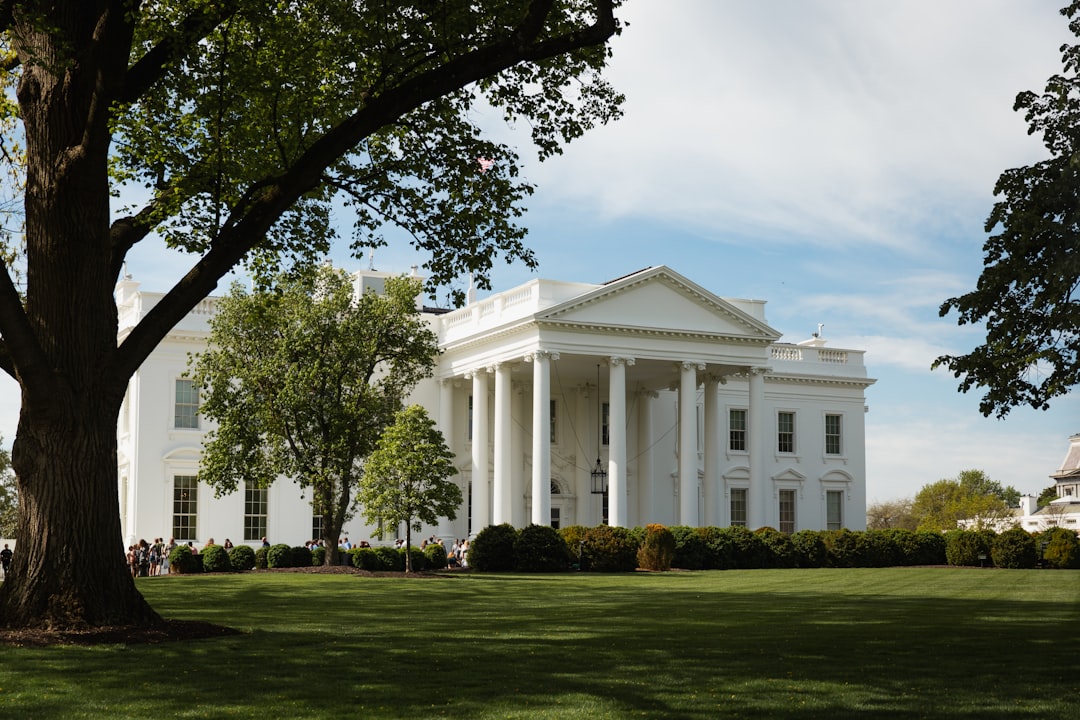
In a move that caught energy traders by surprise, the White House announced a temporary license allowing U.S. buyers to purchase Russian crude that is already afloat. The policy is framed as a narrow exception to broad sanctions and is designed to prevent a sudden supply shock while sanctions remain in place. As of today, march 13, 2026, markets are parsing what this could mean for prices, inflation, and household budgets.
The administration described the measure as time-limited and tightly scoped, aimed at keeping global oil flows steady during a period of elevated prices. The statement came after weeks of debate among lawmakers, industry executives, and monetary policymakers about whether sanctions should be rolled back in any form to shield consumers from spikes at the pump.
The decision marks a rare moment in which the trumpet of sanctions policy intersects with the realities of a global energy market that has shown fragility since the early days of the Russia-Ukraine conflict. The move is being watched closely by traders, energy firms, and personal finance advisers who worry about how any shift could ripple into consumer costs and retirement accounts that tilt toward energy stocks and commodities sectors.
The government framed the license as a narrow, emergency tool rather than a broad policy shift. The rationale rests on avoiding a sudden disruption to crude supplies that could reverberate through markets already roiled by inflation concerns and geopolitical tensions. While officials emphasized that the broader sanctions regime remains intact, critics warn that even limited permissions can complicate enforcement and investor expectations.
What Exactly Has Changed
Several critical details outline how the temporary authorization will operate. First, the license covers Russian crude that is already at sea and contracted before a specified cutoff date. It does not open the door to new shipments or to oil that is still on the ground in Russian ports. Second, all transactions must pass U.S. compliance checks and be reported to the Treasury's sanctions program. Finally, the window for purchase is finite, with a review built in to assess impact and compliance.
The policy is short-lived by design. Officials say the measure is meant to bridge the gap between harsh sanctions and the practicalities of a tightly tuned energy market. In practical terms, the license means a potential flow of oil can still move if buyers and sellers can meet the stringent conditions and the oil has already started its journey before the cutoff date.
The administration did not specify a precise end date, but officials signaled that a 60- to 90-day period was being considered, with possible extensions depending on market conditions and compliance reporting. The goal, they say, is to avoid a spike in prices without weakening the core sanctions architecture that aims to pressure Russia economically.
The announcement has ignited a wave of commentary from policy researchers and market analysts. Some see the move as a pragmatic adjustment in a volatile energy landscape, while others view it as a slippery slope that could complicate sanctions enforcement and signal to markets that the baseline policy could be more flexible than previously stated. The phrase the trump administration allows purchase has already begun circulating in think tanks and trading desks as a shorthand for the limited window of opportunity created by the policy.
Market Reactions and Readouts
Oil prices moved in response to the news, with traders parsing the potential long-term impact on supply. Benchmark futures veered higher briefly after the announcement, then stabilized as investors weighed the likelihood that the measure would affect only a small portion of daily demand. At the close of trading, WTI crude hovered around the mid-60s to low-70s per barrel range, while Brent traded in the upper 70s per barrel, reflecting ongoing volatility in global energy markets.
- Oil price: WTI around 68-72 per barrel; Brent around 75-79 per barrel in intraday trading after the policy note was released.
- Equity markets: Energy sector indices rose modestly, with the energy sub-index up about 1.5% on the session as investors recalibrated exposure to commodities-linked names.
- FX and rates: The dollar showed mixed moves, while short-term Treasuries yielded in the 4.5% vicinity, highlighting the market’s focus on inflation trajectories and sanctions policy longevity.
Analysts stressed that the move could reduce near-term downside risk for energy prices if the offering of oil on the high seas remains contained and shipments are limited. One veteran trader noted that while the policy may create a temporary relief valve, the overarching supply-demand balance remains tight, particularly with seasonal demand patterns returning in coming weeks.
The policy also drew immediate feedback from industry groups. A representative of a major independent oil trader said a narrow window of permissible purchases could facilitate smoother operations for buyers with midstream obligations, but stressed that the majority of U.S. purchases would still come from other markets as sanctions policy endures.
Impact on Personal Finance and Household Budgets
From a consumer finance perspective, the key question is whether this temporary loosening translates into any meaningful relief at the pump. While it is too early to tell, strategists caution households to prepare for continued price volatility, even if prices retreat modestly as a result of the policy tweak. Personal budgeting experts recommend maintaining a buffer in discretionary spending and staying flexible with energy consumption choices as markets digest the implications of the measure.
For savers and investors, the potential implications vary by portfolio. Energy-and-commodities-oriented exchange-traded funds and sector ETFs may experience rebound swings, depending on how much of the oil supply pipeline the new permission touches and how long the window stays open. Those with 401(k) plans or pension allocations with significant energy exposure should monitor fund-level allocations and rebalancing schedules, especially if the move signals broader shifts in sanctions strategy.
- Household energy bills: Potential pressure relief if crude prices ease, but volatility remains a risk.
- Investment exposures: Energy sector allocations could drift in response to policy signals and price moves.
- Debt and rates: Changes in inflation expectations could influence consumer loan rates and mortgage costs in the coming months.
From a broader personal finance lens, the phrase the trump administration allows purchase has particular resonance. If the policy proves durable enough to calm markets, households may see slower price acceleration in energy-related goods and services, providing modest relief to budgets tight from higher fuel costs. Yet the caveat remains clear: this is a temporary measure, not a wholesale shift in sanctions policy. Investors and consumers alike should prepare for rapid reversals if geopolitical signals change or if enforcement concerns surface.
Critics, Risks, and What Comes Next
Critics argue that even a narrow license could complicate sanctions enforcement and invite questions about what constitutes an allowable transfer. Some lawmakers have warned that the policy could be exploited by market participants looking for loopholes, potentially blunting the intended pressure on Russia while exposing U.S. firms to increased compliance burdens.
Several policy researchers emphasized that long-term price stability will hinge on broader energy-market dynamics, including global production decisions, OPEC+ output adjustments, and Western supply chain resilience. In interviews, analysts stressed that the policy should not be read as a sign of weakness in sanctions or a sign that Washington plans to pivot away from its strategic objectives. Still, the history of sanctions policy shows that economic levers can move in unpredictable ways when markets perceive that political lines are blurred.
Supporters of the move contend that it offers a measured way to bridge energy security and inflation concerns while sanctions pressure remains intact. They argue that the policy reduces a potential shock to energy markets during a period of elevated prices and geopolitical uncertainty. In the view of these proponents, executing the measure with strict compliance and clear sunset provisions is crucial to preserving the credibility of both the sanctions regime and the broader U.S. energy strategy.
The administration has signaled that more detail will follow as policymakers monitor market responses and compliance reports. The window for purchases will be governed by ongoing reviews, with updates anticipated in the coming weeks. The lasting question for traders, households, and investors is how the policy will affect the path of oil prices, inflation, and broader market sentiment as global energy dynamics continue to shift.
What Consumers should watch
For households and small businesses, the key takeaway is not the existence of a temporary exemption itself but what it signals about policy discipline and market stability. If prices settle or retreat modestly, consumers could enjoy some relief on energy costs while policymakers assess the broader impact on inflation trends. If the measure is extended or expanded, observers will want to see how it aligns with long-run energy security goals and sanctions objectives.

As always, the smartest move for personal finances is to stay informed and prepared. Consider keeping an eye on energy price trajectories, reviewing energy-related investments, and maintaining a flexible household budget that can adapt to swings in crude costs. The evolving policy landscape means volatility could remain a defining feature for the balance of the year.
Bottom line: the move to allow purchase of oil on the sea is a notable deviation that could have short-term implications for prices and portfolios. It also raises important questions about how sanctions will be enforced and how far policymakers are prepared to bend the rules to stabilize markets without conceding strategic aims. The conversation will continue as data streams in and officials provide more clarity on the duration and scope of the license. For now, investors and households should prepare for a continued test of energy-market resilience in a world of shifting sanctions and shifting prices.
Key Takeaways
- The move is a narrowly tailored, temporary permission intended to mitigate supply risks without broad sanctions relief.
- Oil prices have shown volatility in response, with markets watching for longer-term implications on inflation and consumer costs.
- Personal finance implications depend on how much energy exposure an individual has in investments and how energy prices move in the near term.


Discussion