Breaking News: Trump Urges Naval Coalition to Reopen Hormuz
President Donald Trump launched a dramatic push for a multinational naval effort to reopen the Strait of Hormuz, saying warships could be dispatched to protect commercial ships as they pass through the chokepoint. The call comes as regional tensions in the Persian Gulf have intensified, threatening one of the world’s most critical energy routes.
The president posted on Truth Social that he expects “many countries” to participate in a joint mission to keep the Hormuz route open and safe for shipping. He singled out potential contributors including China, France, Japan, South Korea, and the United Kingdom, though he offered no binding timetable or formal coalition framework.
As of today, March 14, 2026, market watchers and policymakers are parsing the implications of a coalition naval operation for global trade, energy prices, and the broader risk landscape. The post underscored a shift from unilateral steps to a broader alliance approach—an unusual move that could redefine how the United States and allied powers respond to shipping disruption in the region.
What He Said and What It Could Mean
The essence of the message is simple: secure the sea lanes and ensure that ships can move through the Strait of Hormuz without facing impediments from military action or blockades. The Hormuz corridor carries roughly one-fifth of the world’s oil shipments—an amount that makes any disruption unusually powerful for global energy markets.
In a post that has drawn both praise and skepticism, the phrase "trump calls countries send" appeared as a shorthand for a broader, coalition-led response. Analysts say the move, if it materializes, could reduce the risk of unilateral blockades while raising questions about command, coordination, and exit ramps for a multi-nation mission.
Supporters argue that a credible naval presence could deter hybrid threats—drones, mines, and small missiles—that have troubled shipping even when major military campaigns are unfolding elsewhere. Critics warn that sending warships into a volatile region raises the risk of miscalculation and could escalate already-fragile relationships with Tehran and allied states.
Officials close to the matter emphasize that any coalition would require careful rules of engagement, a clear mandate for mission scope (escort versus offensive operations), and strict adherence to the laws of armed conflict. The public posture from Washington signals a willingness to shift from rhetoric to tangible, collaborative action if partners sign on.
Markets, Shipping, and Energy: Immediate Reactions
Financial markets are closely watching how a coalition approach would affect energy costs, shipping insurance rates, and the risk premium on global trade. Early trading in commodities showed mixed reactions as investors weighed potential supply assurances against the risk of further escalation.
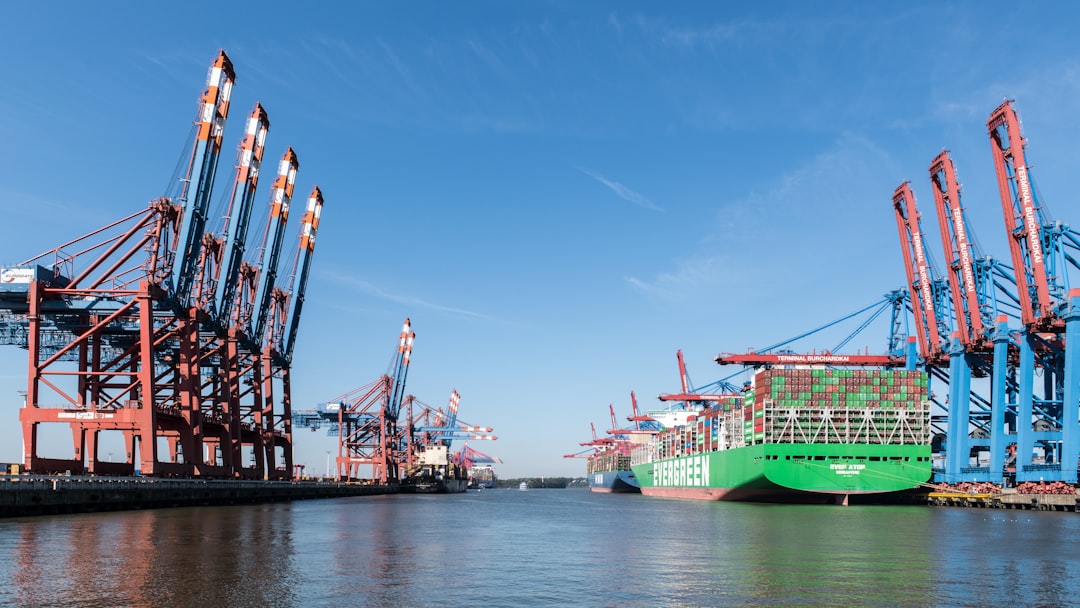
Key data points investors are watching include the following:
- Oil flows through Hormuz account for approximately 20% of global shipments, a staggering share that can move prices in volatile fashion if the route is perceived to be at risk.
- Crude benchmarks tumbled or surged in different sessions depending on headlines about coalition commitments and regional actions.
- Shipping insurers and freight forwarders signaled higher risk premia on long-haul routes, potentially pushing up the cost of moving goods globally.
- Equity markets for energy, transportation, and industrials reacted to the news with intraday swings as traders recalibrated exposure to energy and geopolitics risk.
Industry observers caution that even a successful opening of Hormuz under coalition protection could carry longer-term costs for consumers and businesses if insurance, collateral requirements, or port security measures tighten in the wake of continued tension.
Geopolitical Backdrop: Why Hormuz Keeps Getting Attention
The Strait of Hormuz has long been a pressure point in Middle East diplomacy. Any disruption that slows the flow of oil through the waterway tends to ripple across global markets, with crude prices and energy equities particularly sensitive to headlines about naval deployment or threats on shipping corridors.
Iran has repeatedly warned against what it calls external interference in its regional affairs. The United States and allied governments have pursued a mix of sanctions, diplomacy, and, in some cases, direct military action aimed at deterring attacks on commercial shipping and protecting energy supplies to global markets.
As leaders weigh options, parallel dynamics include the stability of Gulf partners, the readiness of allied navies, and the capacity of international institutions to coordinate a coherent response. The outcome could influence how governments balance energy security with broader defense commitments and alliance-building.
What This Means for Personal Finances and Households
For households and investors, the news has practical implications beyond headlines. Energy prices, inflation expectations, and the cost structure of imports poised to cross the Atlantic can shift quickly as markets reassess risk.
Here are the top takeaways for personal finance in a world with potential naval escorts through Hormuz:
- Energy budgets: If oil shipments stabilize with a coalition presence, households could see less volatility in pump prices over the near term, though any prolonged conflict tends to elevate energy costs over the longer horizon.
- Portfolio risk: Diversified investors might reassess exposure to energy equities, shipping and logistics firms, and defense contractors as the risk environment shifts with headlines about coalition actions.
- Inflation and rates: Market expectations for inflation and interest rates can move on acts of regional risk; central banks may factor elevated energy risk into rate paths and policy conversations.
- Insurance and trade costs: Higher risk premia for shipping could translate into higher costs for businesses and families that rely on imported goods, affecting budgets and price pressures across consumer goods.
Experts say the precise impact will hinge on coalition size, mandate clarity, and the duration of any naval escort mission. In the near term, consumers should expect continued volatility in energy-related markets and a cautious stance from investors across cyclicals and defensives alike.
Analyst Perspectives: Reading the News Through a Financial Lens
Independent analysts stress that the morning after a high-profile diplomatic push, markets are likely to swing between risk-on and risk-off dynamics as traders price in scenarios from short-term convoy protection to protracted standoffs.

“If a coalition materializes and keeps trade lanes open, you could see a relief rally in energy-sensitive sectors,” said a veteran market strategist who asked for anonymity. “But any signs of escalation or a misstep could flip sentiment quickly, lifting volatility across commodities and shipping services.”
On the geopolitical horizon, diplomats warn that real progress on de-escalation requires sustained engagement from regional powers and international partners. Until a durable framework emerges, investors should prepare for a range of outcomes—from a stabilized shipping route to renewed flare-ups that interrupt supply chains and weigh on global growth.
What’s Next: The Road Ahead
The next steps hinge on diplomatic outreach, naval readiness, and the willingness of governments to formalize a coalition with operational rules. If nations commit to a joint mission, the following questions will shape the trajectory over the coming weeks:
- What mandate will govern the operation: escort, intercept, or limited defensive actions?
- How will command and control be shared among participating navies?
- What triggers will end the mission, and who will verify compliance with international law?
- How will civilian and commercial interests be protected if escalation occurs in adjacent theaters?
Until more details emerge, the phrase "trump calls countries send" will linger in markets and policymakers’ discussions as investors weigh risks to energy supply, trade, and the global economic outlook. The path forward remains uncertain, but the push signals a potential shift in how the United States and its partners address maritime security in one of the world’s most consequential waterways.
Bottom Line for Investors
Today’s developments highlight how geopolitical moves can ripple through energy prices, shipping costs, and portfolio risk. For personal finance and retirement planning, a pragmatic approach remains key: diversify, monitor energy and transport sectors, and maintain readiness for volatility tied to global events. The coming weeks will reveal whether this call-for-coalition strategy translates into a durable path to secure Hormuz or sparks a broader cycle of risk and retaliation.

Discussion