
Breaking News: Trump Unveils Global 10% Tariff As Court Ruling Shifts Trade Policy
In a Friday night decision that jolted financial markets, President Donald Trump signed an executive order imposing a 10% tariff on imported goods from all countries. The move aims to steady a stalled trade agenda after the U.S. Supreme Court invalidated a broad slate of tariffs the administration had deployed last year.
White House officials described the action as a rapid, unilateral measure designed to anchor U.S. manufacturing incentives and deter what they call unfair trading practices abroad. The administration stressed that the new baseline rate would take effect almost immediately, with a clear plan to calibrate policy through future investigations and negotiation pressure.
What Changed Today
The centerpiece of the policy is a flat 10% duty levied on foreign-made goods entering the United States. The White House framed the move as a necessary pivot after the Supreme Court ruled that earlier use of a long-dormant emergency powers law exceeded constitutional boundaries. The court’s 6-3 decision this morning rejected the legal basis for a sweeping package of tariffs tied to national security and fentanyl trafficking concerns.
Key details include a 150-day sunset period attached to the new tariffs under a baseline authority enacted in Section 122 of the Trade Act of 1974. That clause grants the president unilateral power to impose tariffs, but it also places a finite window before Congress would need to authorize any extension. The administration cautioned that the window could be extended in a carefully controlled process, but stop-gap measures are not guaranteed.
Scope and Old Duties
Along with the universal 10% rate, officials said the policy would keep in place existing import taxes drawn from Sections 301 and 232—areas the administration has used in the past for country-specific or product-specific protections. The plan signals a broader strategic shift that would layer the new global tariff atop the traditional levers the White House has deployed for years, including targeted duties tied to specific trading partners.

In remarks to lawmakers and industry groups, a senior White House adviser said the policy is designed to strengthen U.S. industrial competitiveness in the face of global supply-chain disruptions, rising labor costs, and persistent tariff pressures from rival economies.
Market and Economic Reactions
Markets responded with a mix of caution and volatility. Traders weighed the potential for higher consumer prices against the prospect of stronger domestic industries and improved trade leverage. Some early moves showed futures oscillating, while currency and bond markets absorbed the news and recalibrated expectations for inflation and policy timing.
Analysts are already tracing how this broad tariff could ripple through sectors such as electronics, autos, apparel, and agricultural goods. The complexity of supply chains means many firms may face higher import costs before any price pass-through occurs, potentially affecting consumer inflation in the near term.
Observers have begun using shorthand to describe the administration’s approach. In market notes and policy discussions, the phrase 'trump imposes global tariff' has circulated as a concise reference point for the sweeping change’s intent and scope. The phrase captures the idea of a blanket duty intended to press partners toward better terms and faster concessions.
What It Means For Consumers And Businesses
For households, the 10% tariff translates into possible higher prices on a wide range of goods—from electronics to clothing and home goods. While some items may be shielded by domestic alternatives or price negotiations by retailers, the breadth of coverage means consumers could feel the impact across multiple purchases this spring and summer.

Businesses that rely on imported inputs could see rising production costs, potentially squeezing margins for manufacturers already navigating tighter profit conditions. Companies with global supply chains may respond by reshoring more production, diversifying suppliers, or passing costs to customers in measured increments to preserve competitiveness.
Reactions From Capitol Hill And Global Partners
Reaction on Capitol Hill was swift and mixed. Supporters argued that a broad-based tariff is a bold step to reorient the U.S. economy toward domestic production and to pressure trading partners to raise standards and address imbalances. Critics warned that a blanket tariff could invite retaliation, raise consumer prices, and strain allies who are already negotiating complex security and economic concerns with Washington.
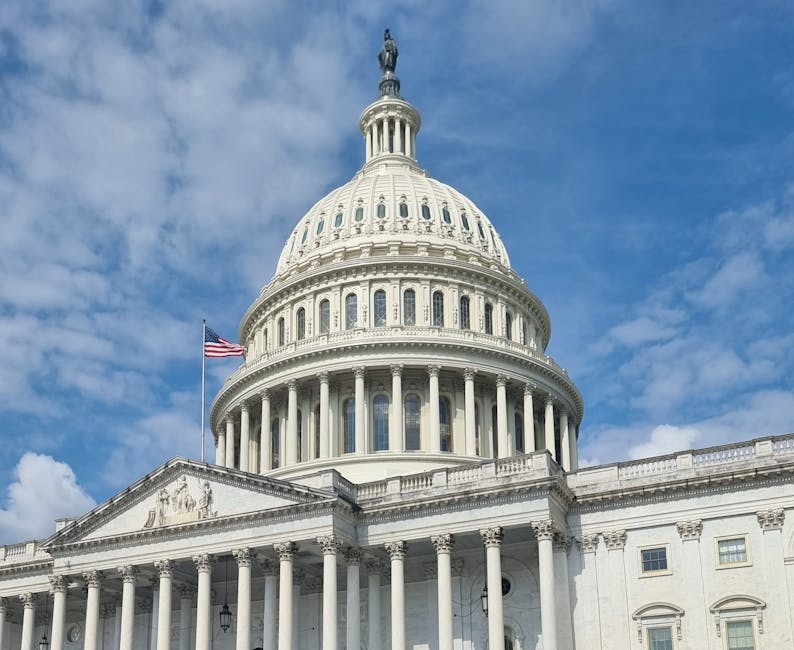
International partners offered cautious responses. Some governments signaled they would assess the new framework and consider reciprocal moves. Trade groups warned of potential disruptions to supply chains, especially for sectors with tightly integrated global sourcing networks. The administration has signaled it will hold hearings and consult with affected industries as it gauges impact and negotiates adjustments to the policy over time.
Legal and Policy Roadmap
The latest action underscores a legal and political risk landscape for U.S. trade policy: executive orders and emergency powers generate swift action but face judicial and legislative checks. The Supreme Court’s decision to invalidate prior levies created a stressed environment for policymakers seeking immediate leverage against foreign competitors. The administration is now pursuing a more standardized framework that relies on the Trade Act’s Section 122 as a baseline while preserving existing tools under Section 301 and Section 232.
Looking ahead, Congress will be pressed to weigh a potential extension of the 150-day tariff window or to craft targeted legislation that defines the scope and duration of tariffs, along with potential exemptions for essential goods. Traders will monitor for any formal notice, rulemaking, or hearings that could signal the direction of policy going into mid-year budgets and election season.
Next Steps And What To Watch
The administration signaled it will launch additional trade investigations to identify vulnerabilities and areas where policies could be refined. Officials stressed that the 10% rate is intended as a bridge to a longer-term strategy that prioritizes domestic resilience, supply-chain diversification, and fair competition on the world stage.

For investors and families, the central question remains: how quickly and to what extent will prices adjust? Analysts say the near term will be defined by policy signals, countermeasures from trading partners, and the pace at which industries adapt to new cost structures. If the policy proves durable, the price of imports could settle into a new equilibrium over several quarters, even as exporters react to altered demand patterns in the United States.
Key Data At A Glance
- Tariff rate: 10% on all foreign goods
- Effective date: immediate, with limited transitional measures
- Sunset: 150 days unless extended by Congress
- Legal basis: Section 122 of the Trade Act of 1974 (baseline), with existing Section 301 and 232 duties continuing
- Judicial backdrop: Supreme Court ruling narrowing the use of emergency powers (6-3)
- Market reaction: futures volatility and currency shifts as investors reassess inflation risk
As the policy unfolds, households and businesses will be watching sentiment, consumer prices, and supply-chain resilience. The question now is whether this new framework will help salvage the broader trade agenda or ignite a longer cycle of tariff-driven negotiations and market volatility.
Bottom Line
With the administration signaling a broader strategy and Congress weighing next steps, the year 2026 will likely feature heightened attention to tariff policy, its domestic costs, and the broader implications for American competitiveness in a changing global economy. The move to a universal 10% tariff marks a pivotal moment: it is a defining test of whether a sweeping, unilateral approach can reshape trade relations without triggering disproportionate blowback.

Discussion