
Trump Announces Historic U.S. Refinery Plan Amid Oil-Price Ripples
The White House disclosed that the United States plans to build its first new oil refinery since the 1970s, signaling a major shift in domestic energy policy as global oil markets wobble. President Trump revealed the initiative on social media and said the project would be located in Brownsville, Texas, with Indian firm Reliance Industries in talks to back the venture. The move comes as energy costs have surged and price volatility has rattled consumers and markets alike.
Administration aides characterized the plan as a cornerstone of energy security and affordability, arguing that domestic refining capacity could shield households from shocks tied to international tensions. Allies view the announcement as a bold bet on American infrastructure, while critics warn that financing, permitting, and supply-chain hurdles could slow progress.
Project Details and Financing Struggles
Officials described the Brownsville project as a large-scale refinery intended to process a substantial daily load of crude. While specifics remain confidential pending vendor bids and regulatory reviews, supporters have floated projections of hundreds of thousands of barrels per day in capacity. The outcome depends on a mix of private capital, potential tax incentives, and state-backed financing options that could accelerate construction.
Trade discussions and corporate signaling indicate Reliance Industries could provide equity participation or debt financing, bringing a global refinery operator into a major U.S. expansion. A Reliance spokesperson declined to comment on timelines at length but signaled ongoing talks and interest in strategic partnerships that align with energy-security goals shared by both nations.
Market Context: Oil, Gas, and Economic Pressure
The plan arrives at a moment when crude prices have shown resilience despite geopolitical risk. Last week, Brent settled near the mid-$80s per barrel, with volatility persisting as energy markets weigh Middle East dynamics and supply expectations. Gasoline price monitors have shown some easing for U.S. drivers, though households still face budgeting pressures from other costs.
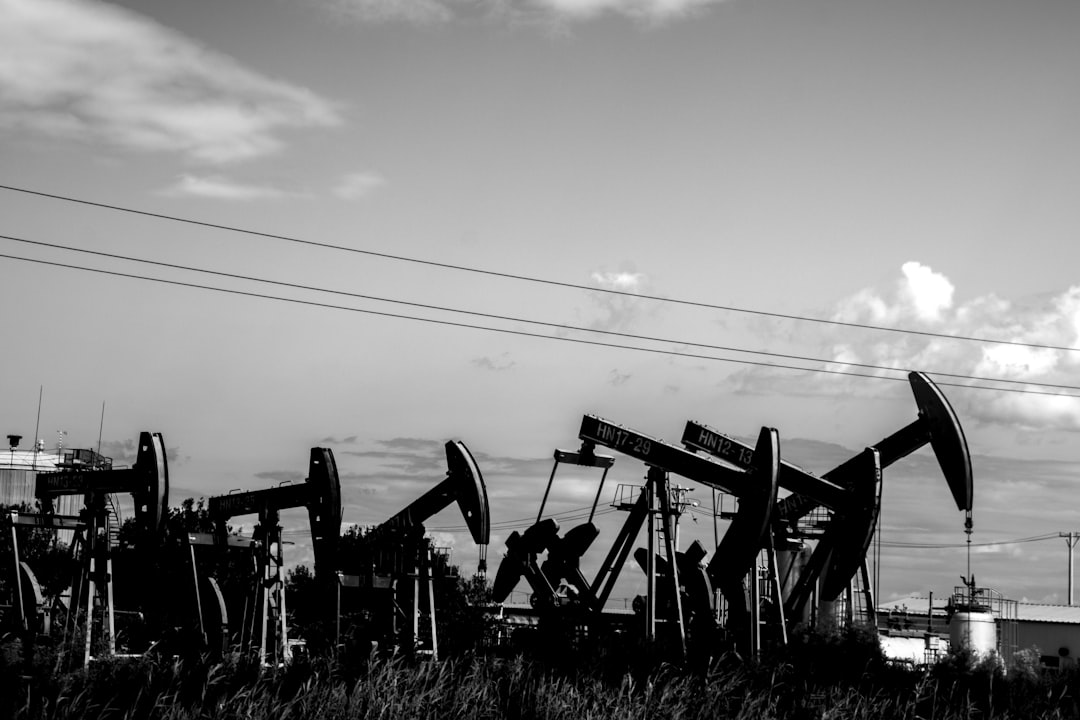
- Oil markets: Brent around the mid-$80s per barrel in the latest trading cycle.
- Gas prices: U.S. average pump prices fluctuating in the low-to-mid $3s per gallon range in recent weeks.
- Domestic energy exports: The United States shipped about 2.2 million barrels per day abroad in 2025, underscoring the country’s role as a net energy exporter.
In the background, the U.S. military has pursued a targeted approach to avoid strikes on Iranian oil infrastructure while continuing a broad set of operations elsewhere. Analysts say the refinery plan could provide a lever to stabilize prices if global supply lines tighten, but any project of this scale faces risks from cost overruns and financing cycles that can stretch over years.
What ‘Trump Says U.S. Will’ Could Mean for Households
From a personal-finance standpoint, the refinery effort is being pitched as a potential path to steadier fuel costs and lower volatility for households and small businesses. If successful, lower pump prices could boost consumer spending power and support broader economic activity through the next several quarters. Yet there is no guarantee that new refining capacity translates quickly into lower gas costs, given the complex dance of crude input prices, refining margins, and distribution logistics.
Analysts caution that the project’s economic impact will hinge on the price of crude, the cost of building the facility, and how quickly the operation reaches scale. The administration faces a delicate balance between speed of development and rigorous environmental and community review processes that can affect timelines and costs.
Voices From the Field: What Industry and Voters Are Saying
A White House energy adviser framed the refinery plan as a practical step toward price stability and energy independence. “This is about securing reliable energy for American families, reducing exposure to foreign supply shocks, and supporting good-paying jobs in manufacturing and construction,” the official said on background.
On the other side, critics argue that a single, large private project cannot single-handedly fix a complex energy market. A senior analyst at a think tank warned that the financing structure could create long-term obligations that shift costs onto consumers if returns fall short or if interest rates rise during the funding phase. Still, industry observers note that private infrastructure investments historically create jobs and pour tax revenue into the host region when projects go into production.
Reliance Industries’ involvement—if fully realized—would mark a rare example of a major non-U.S. player helping erect critical energy infrastructure on U.S. soil. A spokesperson emphasized that any collaboration would prioritize adherence to U.S. environmental standards and local employment opportunities, while stressing that specific terms remain under negotiation as lawmakers and regulators review the plan.
Timeline: From Announcement to On-Ramp for Production
Officials said the project team aims to move from concept to construction-ready status within the next two years, with a production ramp potentially beginning in the latter half of the decade. The timeline, however, is contingent on securing finance commitments, completing environmental reviews, and obtaining all necessary building permits—a process that can extend beyond initial expectations.

- Planning horizon: multi-year effort with staged permitting and financing milestones.
- Construction window: estimates point to a multi-year build before any initial output.
- Operational target: potential first-phase production could begin once regulatory and technical milestones are met.
What Investors Should Watch Next
For investors, the refinery project adds a new dimension to energy exposure within portfolios. If the project advances, it could influence regional job markets, credit conditions for infrastructure lenders, and long-term commodity flows. However, the deal also introduces risks typical of large-scale industrial projects, including cost overruns, regulatory uncertainty, and shifts in crude supply agreements that could impact refining margins.
Analysts advise tracking key catalysts such as funding commitments, environmental approvals, and any updates from Reliance on its role. A disciplined approach to evaluating energy equities and related bonds will be crucial as details emerge and the project moves through the review process.
The Bottom Line: A New Chapter for U.S. Energy Policy
If the plan proceeds, this would mark a historic milestone for American energy infrastructure, potentially reshaping households’ budgets and the broader market landscape. The administration frames it as a way to bolster energy reliability and cushion consumers from price swings, while opponents stress the need for careful cost management and environmental safeguards. Either way, the emphasis on domestic refining capacity signals a long-term shift in how the United States views its energy toolkit.
In a market where consumers are watching every dollar at the pump, the question remains whether this bold refinery plan can translate into tangible, near-term relief for households. The next several quarters will be telling as the project moves from concept to potential construction, and as global oil prices and geopolitical developments continue to press on energy costs for American families. As this unfolds, the focus remains on how policy, markets, and private capital converge to shape everyday finances.
Observers close to the process will be listening for the repeated messaging that frames this plan as a path to stability. In the administration’s own words, and in the rhetoric that accompanies it, the phrase "trump says u.s. will" expand domestic refining capacity has become a touchstone of the policy narrative—something that may endure long after the initial debates over financing and timelines have faded. If the project gains momentum, this could become a defining feature of U.S. energy strategy and its impact on personal finances in 2026 and beyond.


Discussion