Geopolitics Meets the Wallet: A New Market Watch Signal
In a development that could alter the financial landscape for households across the United States, President Donald Trump publicly indicated that the United States could pursue limited military strikes against Iran while diplomatic talks continue. The remark arrived as both sides pursue a path that could curb Iran’s nuclear ambitions without triggering a full-blown conflict.
In a moment that drew immediate attention from investors and policy watchers, trump warns he’s considering limited strikes on Iran. The phrase echoed through financial news desks and social feeds, underscoring the fragility of a diplomatic process that had already been fragile. Minutes later, a separate briefing suggested Washington would demand a more robust agreement or risk fresh pressure on markets that rely on stable global energy supplies.
Across the Atlantic, Iran’s top diplomat signaled a sense of urgency in the talks, saying a draft deal could be ready for Washington within two to three days and that serious negotiations on the text could begin within about a week. While those timelines are fluid, the comments highlighted how close diplomacy sits to an escalation path that could reverberate through trade, energy, and personal finances.
What’s Driving the Debate: The Iran-Nuclear Talks and the U.S. Posture
The immediate issue is whether Tehran’s leadership will accept verifiable constraints on its nuclear program in exchange for relief from economic sanctions and restored access to international finance. Officials in Washington say the focus is on verifiable limits, aggressive inspection regimes, and a credible enforcement mechanism. Tehran has pressed for a deal that preserves its sovereignty while delivering relief from sanctions that it argues were imposed without a clear path to lasting security guarantees.
Analysts note that both sides have invested political capital in reaching a deal, yet the risk of misinterpretation or miscalculation remains high. A veteran analyst at a global think tank warned that any kinetic action would be perceived as an existential threat by Iran’s leadership, potentially triggering a range of retaliatory responses—economic or otherwise. The risk premium attached to even a limited strike could complicate market expectations for months to come.
Market Signals: Oil, Equities, and Risk Appetite in Real Time
Financial markets reacted swiftly to the shifting risk landscape. In early trading, Brent crude surged about 2% to roughly $92 per barrel, while U.S. crude (WTI) hovered near $89 per barrel as traders priced in potential supply disruptions and a broader defense risk premium. Energy sector stocks moved in tandem with the price moves, though the overall market remained sensitive to headlines that could tilt the trajectory of global energy costs.
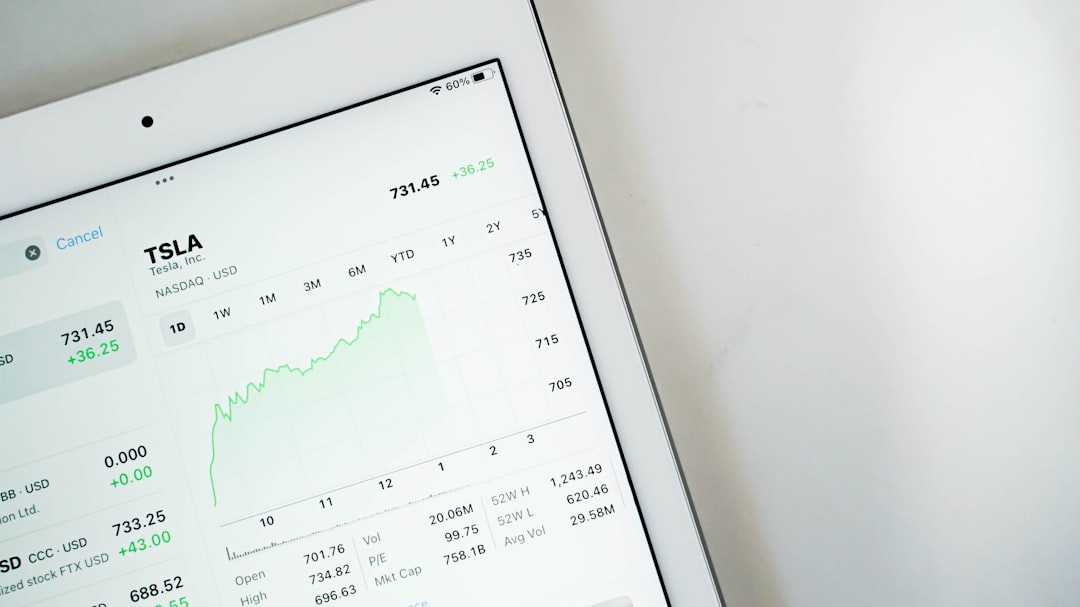
Stock futures also reflected caution. The broader S&P 500 futures slipped modestly as investors weighed the likelihood of a protracted diplomatic standoff. Market strategists emphasized that even a narrowly defined strike could spur a longer period of volatility for risk assets, as traders reassess hedges and sector allocations in retirement accounts and college-savings plans alike.
Safe-haven demand registered in gold and the U.S. dollar, though the shifts were not dramatic. Gold inched higher as buyers sought a hedge against political and geopolitical uncertainty, while the dollar held relatively steady against major currencies, a sign that the immediate moment was a risk-off tilt rather than a full retreat from risk altogether.
What This Means for Personal Finance and Household Budgets
For households, the potential for conflict translates into practical concerns about monthly budgets and long-run savings goals. Higher energy prices can shave into disposable income, particularly for families with tight travel and heating costs. Consumers may also notice more volatility in grocery prices and transportation costs, as energy inputs ripple through the supply chain.
Financial planners say the current environment is a reminder to keep emergency funds intact and to avoid overreliance on volatile energy-related investments. Diversified portfolios that balance stocks, bonds, and cash-like instruments can help weather sudden moves in commodity markets. The focus for many households remains simple: stay flexible, monitor energy costs, and maintain a sane pace of saving even as headlines shift daily.
Analyst Take: How Investors Are Reading the Moment
Market watchers offer a mixed but cohesive read. “We’re seeing a clear risk-off tone in the short run, with energy prices the most immediate transmission channel,” said a senior strategist at a regional investment firm. “If trump warns he’s considering limited strikes on Iran, you’ll likely see a quick re-pricing of energy assets and a tilt toward hedging strategies.”
On the macro front, some analysts warn that the broader macroeconomic backdrop—inflation trends, labor market resilience, and global growth estimates—will influence how long volatility lasts. “This isn’t just a foreign policy story; it’s a financial one. If tensions persist, the cost of capital could rise, and households will feel the effect through higher fuel bills and a squeeze on discretionary spending,” said another market observer.
What to Watch Next: Timelines, Reactions, and Policy Clarity
The immediate questions center on whether a limited strike would be used as leverage or an actual pathway to a wider conflict. Washington has stressed diplomacy as the preferred route, but officials cautioned that the administration is prepared to act if Iran reneges on verifiable commitments. In Tehran, officials have framed any future discussions as part of a larger bargain that must address security guarantees and regional influence, not just sanctions relief.

For investors and ordinary savers, the next several weeks will be a test of resilience. Watch for reactions from key NATO allies, shifts in oil supply indicators, and any changes in sanctions posture. If negotiations progress, markets could stabilize and even revert some of the earlier move; if escalation deepens, the move toward higher energy costs could persist for longer than expected.
Key Data to Track
- Oil: Brent crude up roughly 2% to about $92/bbl; WTI near $89/bbl.
- Equities: S&P 500 futures down around 0.5% in early sessions; volatility index ticks higher.
- Gold: Up around 0.9%, as investors seek safe havens.
- U.S. dollar index: Flat to slightly weaker, suggesting mixed demand for greenbacks amid uncertainty.
- Geopolitical timeline: Iran’s foreign minister indicates a draft deal could be presented within 2-3 days; serious talks may begin within a week.
Bottom Line: A Wary Path Ahead for Personal Finances
The current moment puts personal finances in a crossroads between diplomacy and energy risk. If the rhetoric persists or escalates, households could face higher energy bills and tighter budgets for months. If a credible diplomatic framework takes hold, the market could regain its footing, easing some price pressures and offering more certainty for savings and investment plans.
As early as this week, investors will be watching for concrete moves on sanctions, milestones in negotiation, and signals from defense channels that could translate into a broader market outlook. The overarching lesson for personal finance remains the same: in times of geopolitical tension, diversify, stay liquid, and prepare for a range of scenarios that could ripple from the political arena to the family budget.


Discussion