Breaking News: A Case That Goes Beyond the Pitch
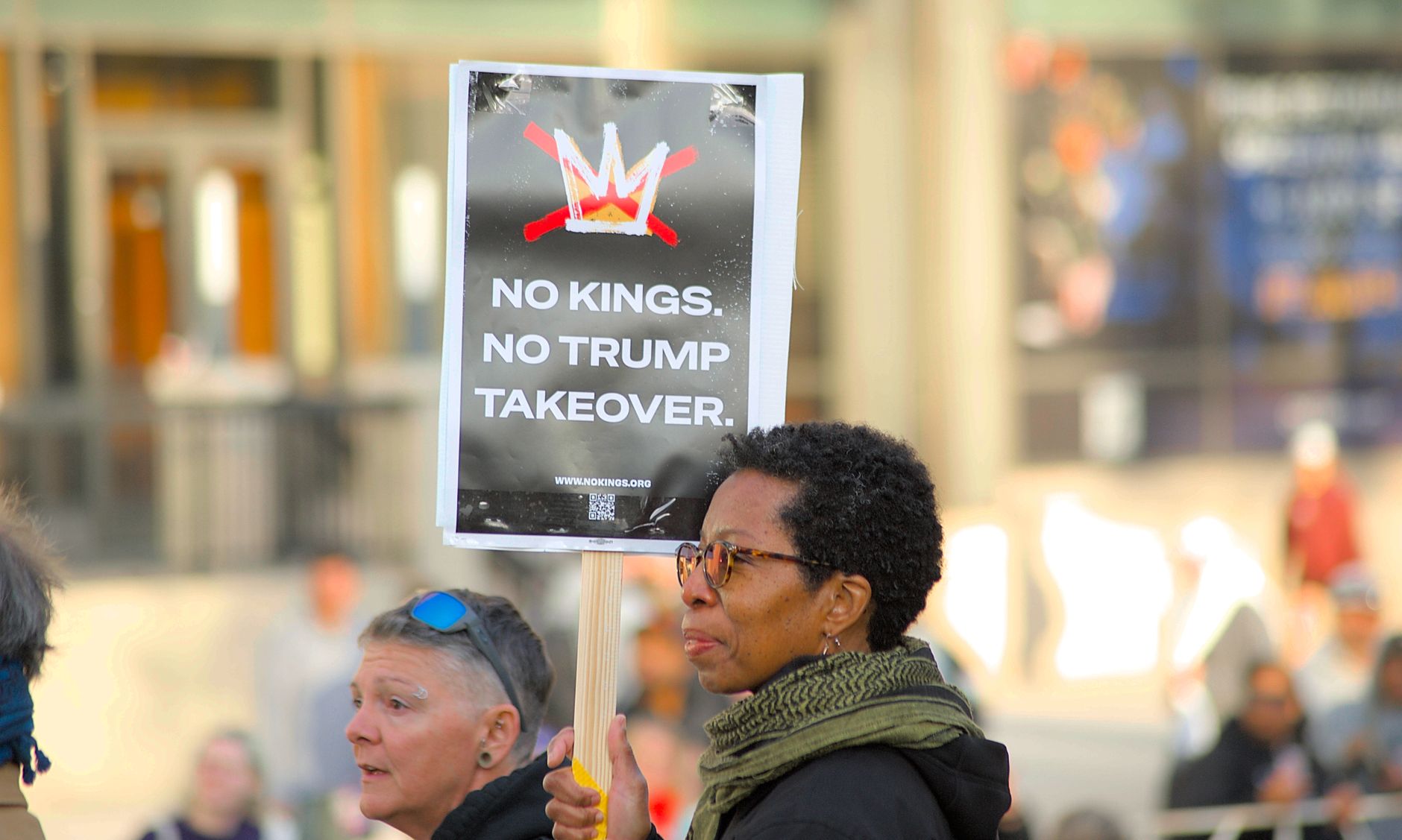
In a development that blends sports and global governance, President Donald Trump pressed FIFA president Gianni Infantino to review a red-card decision involving U.S. striker Folarin Balogun. The move quickly became a flashpoint on the world stage, raising questions about political influence in FIFA’s ongoing effort to project a neutral, damage-control image during a time of tightened sponsorship scrutiny.
The sequence of events has investors watching closely: a high-profile appeal, a swift FIFA response, and a decision that could have long-lasting implications for how the federation handles controversial calls and political pressure during marquee events.
The Decision and Its Timing
Balogun, who had built a reputation for scoring in multiple World Cup appearances, received a red card in a key qualifying match. In a rapid sequence, Trump’s team contacted Infantino, and FIFA temporarily suspended the one-game ban, replacing it with a probationary period of one year and a $40,000 fine. The move marked a rare deviation from longstanding practice around red cards in high-stakes tournaments.
As the dust settled, FIFA also ruled that an appeal from Belgium was inadmissible, effectively shutting down a separate challenge tied to Balogun’s setback. The decision paved Balogun’s path to participate in the subsequent fixture, though the broader controversy remained front and center for fans, sponsors, and international observers.
Why It Matters for FIFA and Advertisers
This episode has thrust FIFA’s political neutrality into the spotlight at a moment when sponsorships and global brand partnerships are central to the federation’s financial health. Critics argue that high-level interference—regardless of intent—could erode trust among sponsors who demand predictable governance and clear lines against external influence.

FIFA’s own rules require member associations to remain politically neutral. Historical disputes over perceived foreign interference have led to fines, suspensions, and governance reforms; those precedents contrast with the current turn, prompting debate about whether the Balogun case represents a one-off exception or a potential shift in how neutrality rules are enforced during major tournaments.
“Our priority is to uphold fairness while protecting the integrity of the game,” a FIFA spokesperson said, underscoring that decisions continue to be grounded in sports justice rather than political calculation. Still, the optics of this episode have intensified scrutiny of how and when international bodies should engage with national figures during sporting crises.
Market and Sponsorship Implications
From a financial perspective, the balance between governance and brand protection is delicate. Sponsors want stability; they also want to be aligned with events that inspire broad, positive sentiment. A governance event that appears influenced by outside pressure could prompt brands to reassess exposure, especially in markets where soccer is a catalyst for consumer spending and media commitments.
Analysts say the Balogun case could have a measurable, if modest, impact on near-term sponsorship dynamics and broadcast revenue expectations. While the immediate effects may be muted, a sustained pattern of perceived political interference could dampen appetite for high-profile sponsorships tied to World Cup cycles and related events.
Investors and corporate sponsors are watching the rhetoric and the data behind governance decisions. If neutrality remains credible, the market may price in a stable outlook; if not, brands could demand greater governance safeguards or seek more rigid performance metrics tied to sponsorship terms.
What It Means for Personal Finance and Household Investors
For everyday investors, the Balogun episode is a reminder that sports governance can ripple into portfolios through sponsor health, media-rights markets, and stadium financing structures. When a global sport’s governance is debated in the light of political influence, the confidence level of corporate backers can shift, influencing stock moves in related companies and the cost of sponsorship-backed bonds issued by leagues and clubs.
Here are key takeaways for personal finances and market watchers:
- Sponsorship risk can materialize as a reputational premium or discount, affecting valuations of teams, leagues, and media partners.
- Media-rights negotiations may respond to governance signals, potentially influencing contract terms and distribution strategies for broadcasting the World Cup and qualifiers.
- Governance clarity matters: sponsors and fans want predictable policies that limit political spillover into athletic decisions.
One veteran investor noted, “A stability-first approach to neutrality is worth more to brands than any one decision on a red card. If that trust remains, markets will reflect that confidence.”
Reactions Across the Global Sports Network
Reaction from key stakeholders has been cautious but pointed. A U.S. Soccer spokesperson welcomed the chance for Balogun to contribute on the field, while emphasizing adherence to international rules. In Europe, sponsorship executives expressed concern about the optics of outside intervention, but many stressed that the long-term health of the sport depends on clear, enforceable neutrality standards.
Analysts specializing in sports governance suggest this is a moment that could catalyze reforms or strengthen oversight, depending on how FIFA handles subsequent decisions and how quickly it communicates with member associations and sponsors.
Trump’s position on trump’s request review folarin has generated mixed reactions in political and sports circles. Some supporters argue that high-profile figures should press for fairness in controversial calls; others warn that injecting politics into a regulatory framework risks eroding public trust and sponsor goodwill. The nuanced debate is likely to continue as the season progresses.
What’s Next: The Road Ahead
Looking forward, several questions loom: Will FIFA publish a formal rationale for the Balogun decision and the companion actions? How will sponsors adjust their commitments if future rulings appear susceptible to outside influence? And how will Balogun and the U.S. national team perform in subsequent matches under the shadow of this controversy?
Officials say a thorough review process remains possible, with further clarifications on neutrality standards and sanctions for perceived breaches. In the meantime, the market will likely continue weighing the balance between governing integrity and the entertainment value that drives global football’s enormous financial footprint.
Bottom Line
As trump’s request review folarin underscores, the Balogun case is more than a single on-field incident. It tests FIFA’s ability to enforce neutrality while safeguarding its brand and sponsorship ecosystem in a volatile media landscape. For investors and fans alike, the key question is whether governance remains independent from political pressure—because that independence is a core driver of football’s financial health in 2026 and beyond.


Discussion