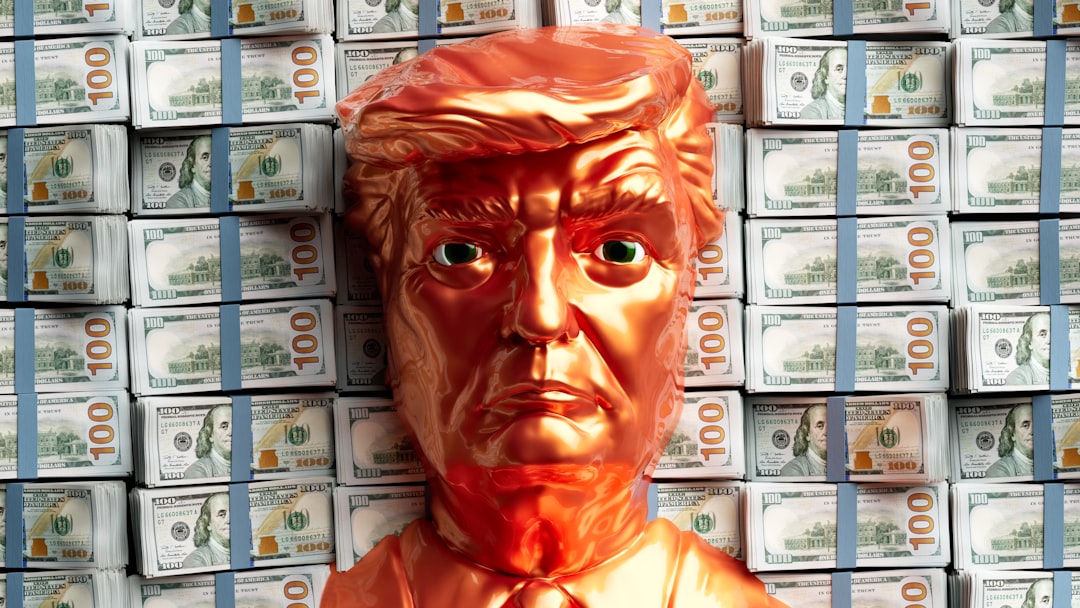
Breaking News: DOJ Sues Harvard Over Campus Antisemitism
On Friday, March 20, 2026, the U.S. Justice Department filed a federal civil rights lawsuit against Harvard University, accusing campus leadership of failing to curb antisemitism and allowing a discriminatory environment. The filing contends that federal funding could be at risk and that subsidies already disbursed may be subject to repayment.
In a court filing lodged in federal court in Massachusetts, the DOJ asserted that Harvard’s alleged failures violate key civil rights protections and jeopardize student equality. The department also asked the court to impose a set of measures intended to restore compliance, including a government-approved independent monitor and steps to address demonstrators blocking campus spaces. The department added that the university should assist in recovering billions of dollars of taxpayer subsidies tied to a discriminatory environment.
Observers have noted the lawsuit as a landmark moment in a long-running confrontation between the federal government and one of America's most prominent universities. In the politics of campus culture and federal funding, the case could reverberate through research programs, grant-making, and the calculus of donors weighing future commitments.
What the Lawsuit Claims and What It Seeks
The government argues that Harvard failed to provide a campus free from harassment and intimidation, a negligence that allegedly undermines equal access to education. The complaint contends that this failure breaches federal civil rights obligations that protect students from discrimination by a recipient of federal funding.
The DOJ seeks remedies designed to enforce compliance and to deter similar conduct in the future. Among the requests are: a court order requiring Harvard to cooperate with campus policing to address disruptive protests; and the appointment of an independent outside monitor to oversee adherence to court orders and federal civil rights standards. The department also asks the court to determine the scope of any needed repayment of funds tied to discriminatory practices.
In a rare direct challenge to a blue-blood university, the filing underscores a broader debate about how far the federal government can police campus culture and how tightly it can attach strings to research subsidies. The case raises practical questions for families and businesses that rely on university research contracts, as well as for students who pay tuition with the expectation of a fair and safe learning environment.
Trump’s Sues Harvard, Claiming—A Closer Look at the Political and Financial Angles
In headlines that have echoed across the political spectrum, trump’s sues harvard, claiming the university’s leadership allowed an environment that violates federal civil rights law. The phrasing reflects the administration’s effort to frame campus antisemitism as not just a campus concern but a national policy issue tied to federal funding and accountability.
Analysts say the move could complicate Harvard’s already complex funding picture. Harvard’s endowment, among the largest in higher education, sits at roughly $42 billion and cushions tuition costs and need-based aid. If federal grants face freezes or clawbacks, the university could be forced to recalibrate financial aid commitments and research agendas, potentially shifting how families plan for college costs in the near term.
- Endowment size and role: about $42 billion, a major pillar supporting need-based aid and campus programs.
- Federal funding at risk: roughly $2.8 billion in active federal research grants could be scrutinized or frozen if compliance falters.
- Enforcement tools: the government seeks an independent monitor and police-facing remedies to ensure campus order during protests.
- Family and donor impact: a protracted dispute could influence tuition offers, financial aid generosity, and donor pledges in a fragile fundraising environment.
Harvard’s Response and What Comes Next
Harvard has not offered a formal comment beyond reiterating its commitment to campus safety and inclusive values. A university spokesperson said the school would defend its policies vigorously and engage with federal officials to resolve the matter through due process.

Legal observers note that the suit could rewrite the boundaries of federal oversight over campus culture. The university has previously pushed back against funding cuts in other disputes, and a federal court in the state already ruled in favor of Harvard in a separate challenge over earlier funding actions. The current filing moves quickly toward a courtroom timetable, though a precise trial date has not yet been set.
Market and Family Impacts to Watch
While this case centers on civil rights and higher education policy, the financial implications ripple through family budgets, endowment management, and research pipelines. Parents evaluating college costs should monitor how federal funding disputes might affect scholarships, loan programs, and in-demand graduate fellowships tied to federal grants.
Donors and corporate partners may also reassess commitments if the political climate around campus culture grows tenser. Universities relying on philanthropy could see volatility in gift pledges and in the willingness of external partners to fund large-scale research collaborations during periods of federal scrutiny.
Key Dates and What to Expect Next
Upcoming milestones in the case will hinge on pretrial conferences and any settlement talks. While the DOJ seeks prompt relief and a monitor, Harvard may appeal or move to narrow the scope of federal oversight. Citations in the filing indicate a high-stakes adjudication that could set precedent for how universities balance civil rights obligations with campus autonomy.
For families watching tuition and aid, the case remains a proxy for how federal policy can influence college costs. While a court battle unfolds, universities will likely publish updated financial aid plans and communicate with students about how federal compliance matters affect funding availability.
Bottom Line: A Courtroom Showdown with Real-World Stakes
The DOJ’s lawsuit against Harvard marks a pivotal moment in the intersection of campus culture, federal subsidies, and higher education governance. For families, students, and donors, the outcome could redefine how universities manage antisemitism on campus and how much of federal money flows into research and financial aid programs in the years ahead.
As trump’s sues harvard, claiming the university’s leadership failed to curb antisemitism on campus, the case will likely shape the discourse around campus policies, federal funding, and the political climate surrounding higher education for months to come.
Discussion