
What’s fueling the debate right now
This week, financial markets and policy watchers are revisiting a chapter from the Trump era: tariffs framed as reciprocal moves, fueled by a broad assertion that tariffs would curb deficits and restore bargaining leverage. While the rhetoric grabbed headlines, the policy is now being weighed against legal limits and real‑world costs to households. In this piece, we examine the enduring question: can tariffs ever be a sane tool for everyday personal finances, or are they a tax on consumers that backfires?
The legal frame: IEEPA, emergencies, and the big questions
Under the International Emergency Economic Powers Act (IEEPA), presidents can respond to what is deemed an unusual and extraordinary foreign threat. Critics argue that a simple trade deficit doesn’t meet that threshold, and many legal scholars say using broad tariffs to swing global markets stretches the statute beyond its historical intent. In practice, traders and consumers end up bearing the costs of policy choices that move quickly but stay in legal gray areas longer than most people expect.
Policy makers have long debated whether deficits themselves create national security risks or simply reflect the income and consumption patterns of American households. Today’s conversations focus on whether a modern economy can withstand a permanent tilt toward tariffs without weakening supply chains, raising living costs, or eroding consumer purchasing power. As one economist who asked not to be named put it, “the theory sounds clean on a chalkboard; the real math is messy in the wallet.”
Economic impact then and now: who pays the bill?
The United States has run a trade deficit for decades, a pattern that persists even as times change. Economists emphasise that deficits are not a disaster or a national security threat when they can be financed and when households face rising, not falling, purchases. Still, tariffs tend to shift costs along the supply chain and can squeeze consumer budgets in the short term.
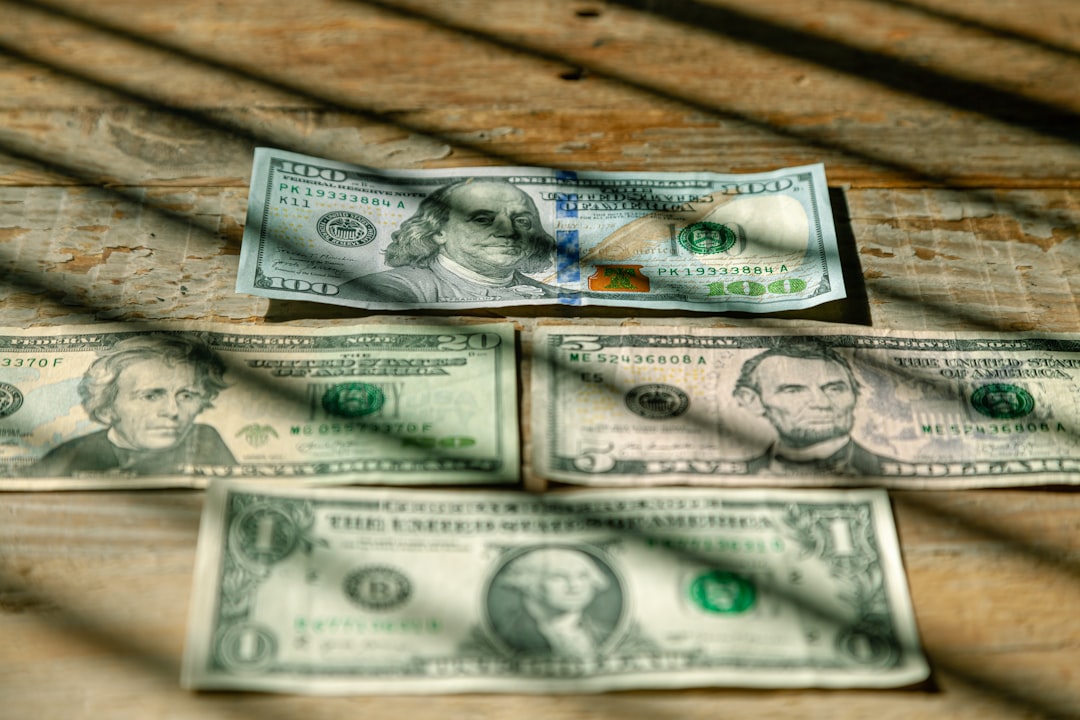
- Historical baseline: The U.S. has seen a persistent trade deficit for about 50 years, with annual deficits often hovering near the trillion-dollar mark over long stretches.
- Short-term price effects: Studies on tariff episodes show prices for affected goods can rise by fractions of a percentage point to a few percentage points, depending on the sector and the pass-through to retailers.
- Wider inflation and growth: Analysts warn that broad tariff actions can add to price pressures just as the economy is trying to cool or grow, potentially nudging inflation higher and curbing demand in some sectors.
- Household impact: Consumers typically feel the bite through higher prices on everyday items—ranging from steel‑based appliances to electronics—particularly if input costs stay elevated for longer than expected.
Trade policy critics argue that tariffs often become a hidden tax on middle‑ and lower‑income households, while supporters say targeted tariffs can protect domestic industries and jobs. The truth, say many observers, lies in a complicated trade‑off: small, temporary gains for some sectors may come with broader costs for households and businesses that rely on global supply chains.
Market reactions: how investors and businesses respond
Markets tend to react to tariff chatter with caution rather than certainty. In recent cycles, equities and bond markets have moved on the margins as investors weighed possible cost shifts across industries—from manufacturing to consumer goods. The risk, many analysts say, is a self‑fulfilling feedback loop: policy uncertainty raises input costs, slows hiring, and reduces consumer confidence, which in turn dampens growth expectations.
Businesses facing tariff exposure have already begun hedging, adjusting procurement strategies, and exploring supplier diversification to dampen potential shocks. Homeowners and savers watch prices on durable goods, appliances, and vehicles closely, hoping that any policy shift will bring predictability rather than volatility.
What this means for your personal finances
For the everyday reader, the question isn’t just about headline tariffs; it’s about your budget and your long‑term savings plan. Tariffs, if imposed or extended, can alter the price trajectory of household essentials and the cost of capital for businesses you own or borrow from. Here’s how to think about it now:

- Revisit your budget with a price‑sensitivity lens: anticipate potential price increases in household goods and appliances that rely on imported inputs.
- Hedge against inflation risk: if you hold cash or short‑term investments, consider a glide path to assets that historically hold value during inflationary periods.
- Rethink debt costs: tariff‑driven price shifts can influence consumer loan rates and the affordability of big purchases funded by credit.
- Prepare for policy volatility: build an emergency fund and diversify income sources so a sudden policy turn doesn’t derail your plans.
- Stay tuned to policy detail: tax implications, exemptions, and sector‑specific rules can change quickly and affect your taxable income or investment returns.
Two big questions in plain language
First, does using tariffs as a policy tool make sense for households and small businesses? Many economists answer with a cautious no, citing uncertain benefits and clearer costs. Second, can the executive branch push tariffs through surrounding legal frameworks without inviting costly litigation or long delays? The most cautious observers say any move risks legal pushback and a protracted fight that saps credibility and diverts energy from growth initiatives.

In this climate, the central story for personal finance readers remains simple: trump’s tariffs: lesson economic is a reminder that policy choices do not stay on the page. They travel through prices, wages, and portfolios, and they reverberate in the cost of living. As one policy analyst observed, “The math of tariffs is not a classroom exercise; it’s a wallet exercise.”
Bottom line: what to watch and what to do
As lawmakers debate the scope and legality of tariff actions, households should focus on resilience: diversify income, rebuild emergency funds, and monitor consumer prices closely. The broader lesson—encapsulated in trump’s tariffs: lesson economic—is that policy ambitions must be weighed against real‑world costs, given the long odds of a clean, immediate payoff for most families.
Looking ahead, personal finance decisions should assume some degree of tariff volatility in the near term, while remaining anchored to fundamentals: savings growth, debt management, and thoughtful asset allocation. The policy landscape may continue to shift, but your financial plan should stand on solid ground—ordinary, disciplined, and forward‑looking.
Key takeaways for readers
- Tariffs can influence prices and inflation; expect some pass‑through to consumer costs.
- Legal questions about executive power in tariff actions complicate the political landscape and market expectations.
- Personal finances benefit from cautious budgeting, diversified investments, and a robust emergency fund in uncertain policy times.

Discussion