Global Reach Expands as Ukraine Aids Drone Defenses in Middle East
In a move that underscores Kyiv’s evolving security footprint, Ukrainian officials disclosed that Ukraine is assisting five Middle East and Gulf states in countering drone threats believed to originate from Iran. President Volodymyr Zelenskyy announced the cooperation in a post on X, saying Kyiv is providing expert assessments and helping build a defense system to shield civilian and critical infrastructure.
Observers quickly noted that this marks ukraine quietly helping five regional partners broaden their air-defense capabilities at a time when Western leaders are weighing how to coordinate defense assistance in a rapidly shifting security landscape. The announcement also comes as energy and defense-market traders monitor how U.S. policy and regional dynamics will shape risk in the months ahead.
Which five countries are involved?
- United Arab Emirates
- Saudi Arabia
- Qatar
- Kuwait
- Jordan
Ukrainian officials said that interceptor units have already been deployed to protect civilian and critical infrastructure across these five states, with plans to broaden the partnership. The move is framed as a defensive, defense-exchange effort rather than a traditional arms transfer program, aimed at raising regional resilience to drone salvos that have intensified in the Gulf and surrounding theaters.
What Kyiv is delivering—and why it matters
Kyiv has developed a niche reputation for cost-effective, battle-tested drone interceptors that can be deployed quickly to protect cities, power grids, and ports. The emphasis on rapid deployment and affordable protection aligns with Ukraine’s broader wartime experience and its push to commercialize lessons learned in counter-drone operations.

In his statement, Zelenskyy described a two-pronged approach: first, practical, on-the-ground assessments of drone threats and defensive gaps; second, structured help to install, calibrate, and operate a layered defense system that combines early-warning sensors, high-velocity interceptors, and command-and-control support. The goal, he said, is to reduce the risk of disruption to energy networks, airports, and other critical nodes that can be vulnerable to Shahed-type drones widely used in regional conflicts.
The defense product line at the heart of Kyiv’s export-focused effort centers on interceptor technologies designed to neutralize low-cost, loitering drone threats. Shahed drones—variants widely associated with Iranian design and used by various state and nonstate actors—have become a benchmark for what these programs aim to deter. Kyiv’s approach is not only to defeat drones but to do so in a way that preserves civilian life and minimizes collateral effects in densely populated urban settings.
Key voices from Kyiv and the region
Rustem Umerov, head of Ukraine’s National Security and Defense Council, led a delegation to the Middle East and Gulf this week to advance the partnership. He said Ukrainian specialists are operating in the five countries and are focused on protecting civilian infrastructure while expanding long-term security cooperation. In a post to his network, Umerov emphasized that the effort would be tailored to each nation’s needs and security priorities.
Zelenskyy reiterated that Ukraine’s work is pragmatic and needs-based, and he highlighted the importance of sharing expertise with partners who face persistent drone threats. “Our teams are working with five countries on countering Iran's Shahed drones—we are providing expert assessments and helping build a defense system,” he wrote. The remarks reinforce Kyiv’s broader aim to translate wartime capability into durable regional partnerships that could also influence future defense procurement decisions.
Beyond Kyiv’s public framing, U.S. and regional officials have signaled interest in tapping Ukrainian know-how to bolster Gulf defenses. The dialogue touches on supply chains, training regimes, and the exchange of best practices—areas that could influence the pace and scope of future collaborations in the region.
The wider context: Iran, drones, and shifting alliances
The Middle East crisis has grown in complexity as Tehran’s drone program—particularly Shahed-series unmanned aircraft—competes with defensive investments by Gulf states and their allies. Russia’s invasion of Ukraine has also created a dynamic where Kyiv’s drone-defense insights are seen as potentially transferable to other theaters of operation that face swarm-like drone threats.
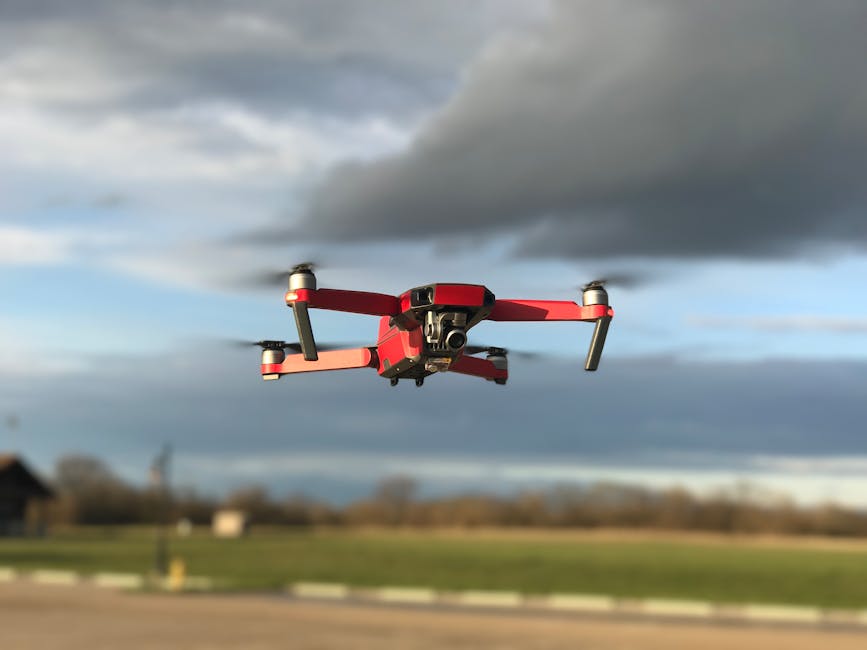
Kyiv’s emphasis on rapid, scalable defense solutions reflects a broader trend: smaller allies seeking to harden their facilities and urban centers without committing to expensive, bespoke missile systems. The model appeals to countries looking for functional protection against incoming drones while maintaining flexibility to adjust defenses as threats evolve.
Politics, policy, and the Trump comment that reverberates
The diplomatic footprint of Ukraine’s drone-defense programs intersects with a larger political dialogue inside the United States and among Western allies. Washington has indicated a continuing interest in supporting allied air defenses, and the Gulf partnership could become a focal point for how the U.S. calibrates security commitments in a region long shaped by oil flows, shipping lane dynamics, and strategic rivalries.
In a striking footnote to the policy conversation, former President Donald Trump has publicly suggested that he does not require Kyiv’s help in this broader security frame. While his comment reflects a specific political stance, it has underscored the broader debate over who should shoulder the costs and operational burdens of multinational defense cooperation in high-risk regions.
Implications for markets and personal finance
The development comes as investors weigh the implications of Ukraine’s expanded defense role against shifting U.S. policy signals and Gulf security expectations. Here’s what market watchers and everyday investors are considering:
- Defense and aerospace equities could respond to new regional deployment opportunities and potential follow-on orders for interceptor technologies.
- Energy security remains a key macro driver; any improvement in Gulf coastal defenses could influence how traders price risk around oil routes and supply disruptions.
- Currency and sovereign risk in Gulf markets may react to clearer security guarantees and the prospect of expanded U.S. defense cooperation—an important signal for global money flows.
- Insurance and infrastructure resilience sectors may see greater demand for protective programs, including rapid deployment defense tools and disaster risk mitigation tied to drone threats.
For individual investors, the focus remains on broader market themes: the durability of defense-related demand, the resilience of energy markets, and how geopolitics may shape risk premiums in 2026. While the immediate impact of the five-nation effort may be incremental, the strategic footprint is clear: Ukraine is turning a wartime capability into a platform for regional security cooperation that could influence budgets and investment decisions for years to come.
What to watch next
- Details on the long-term defense architecture being built with the five countries, including timelines, training modules, and maintenance commitments.
- Any new export licenses or procurement agreements that Kyiv may formalize with Gulf partners in exchange for access to advanced air defenses.
- The reaction of U.S. policymakers and how they balance public support for Kyiv with strategic priorities in the Gulf region.
- Oil-price responses and energy-market volatility as Gulf security dynamics evolve and shipping lanes remain sensitive to regional tensions.
Key facts at a glance
- Five countries involved: United Arab Emirates, Saudi Arabia, Qatar, Kuwait, Jordan.
- Ukraine provides expert assessments and helps build a defense system to counter Shahed drones.
- Rosy prospects for long-term security cooperation, aligned with regional needs and Kyiv’s defense-expertise export strategy.
- Public statements from Zelenskyy and Umerov emphasize on-the-ground protection of civilian and critical infrastructure.
As the Iran conflict intersects with Ukraine’s wartime experience, the world watches to see whether this quietly expanding defense partnership will translate into broader regional stability, and what that means for the ability of households and businesses to plan in a high-stakes security environment. For investors, the takeaway is that ukraine quietly helping five aligns with a larger theme: security-infrastructure resilience can move markets as countries seek to lessen disruption risk in key energy corridors and urban networks.
Note: This article focuses on recent developments and their potential implications for personal finance and market conditions in 2026. For readers tracking investment implications, monitor official statements from Zelenskyy, Umerov, and U.S. policymakers as events unfold.


Discussion