Lead: United’s Empty Middle Seat Experiment Hits the Headlines
United Airlines has rolled out a bold cabin experiment in its latest push to monetize comfort: an Economy Plus option that leaves the middle seat unoccupied. The plan is set to apply to a row on United’s new Airbus A321XLR jets, with a shared table and extra elbow room replacing the traditional middle seat. The company says pricing and availability will be announced later this year, and expansion to other aircraft could follow if the pilot proves popular.
What’s Changing
The core idea is simple: one row on certain aircraft will showcase a middle seat that remains empty, creating a wider, more social zone for the adjacent aisle and window passengers. The empty middle seat will be replaced by a shared surface that can function as a table while allowing more breathing space across the row.
United describes the configuration as part of a broader retrofit strategy meant to modernize the cabin experience. A United spokesperson said the move is aimed at giving customers more control over their travel experience and aligning with demand for premium-like comfort options without moving to a full lie-flat product in economy cabins.
Industry Context: A Trend Toward Paid Comfort
The move mirrors a longer trend in the global airline industry: carriers are experimenting with differentiated cabins and add-ons to monetize space and service. European peers such as Lufthansa and Finnair have already offered variations of empty middle seats in specific markets or for business-class passengers, particularly on longer routes. While United is not claiming a universal program, executives indicated early talks of expanding the concept if the initial row proves viable.
Analysts note that the United experiment comes as airlines lean into paid-for comfort as a way to supplement fare yields in a competitive environment. The company has been signaling a broader patience for fleet-wide reinvestment, with headlines last year about upgrading in-cabin experiences and introducing new seating layouts as part of a longer-term strategy.
Executive View: What United Aims to Deliver
In statements issued this week, United highlighted its intent to balance price with comfort, offering travelers a distinct option without a full premium-seat upgrade. The move is part of what executives describe as a nose-to-tail investment across the fleet to broaden choices for customers who want more space without paying for a separate premium cabin.
“This is about giving customers more control over their travel experience,” a United spokesman said. “We’re testing ways to create better space and flexibility while we continue to optimize our network’s performance.”
What United Airlines’ Economy Plus Means for Passengers
- Aircraft and scope: An initial row on the Airbus A321XLR will feature an empty middle seat with a shared surface between the aisle and window seats.
- Pricing timeline: United notes that pricing and sales details will be disclosed later in the year, with potential expansion based on demand and operational feasibility.
- Availability: The approach is provisional and limited in scope to begin, with consideration for broader rollout depending on customer response and fleet compatibility.
- Competitive context: The concept aligns with a growing market trend toward paid comfort options, a space where European carriers have already experimented with similar layouts on select routes.
- Related initiatives: The company also announced another concept, the so‑called United Relax Rows, aimed at letting Economy passengers convert a row into a more lounge-like space on selected Boeing 767s and other widebodies next year.
Traveler Perspective: Costs, Value, and Experience
For travelers, the crux will be whether the value of extra elbow room and a shared table justifies any additional charge. The new configuration could appeal to couples traveling together who value proximity and space, or to solo travelers who prefer less neighbor interaction in the middle seat. Some passengers may view the open middle seat as a practical compromise between a standard Economy fare and a full Premium Economy product.
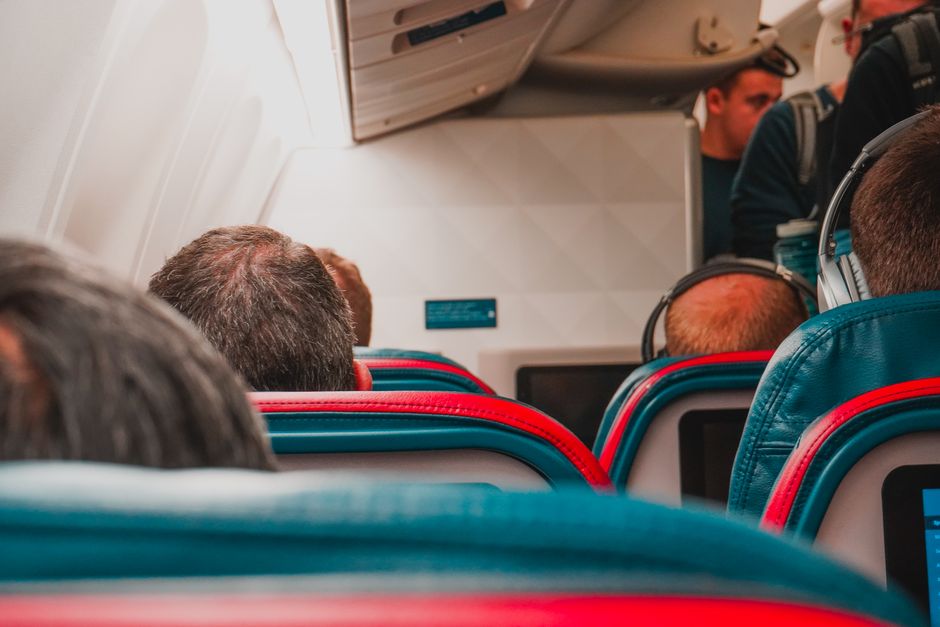
On pricing, analysts expect United to experiment with bundles that might include priority boarding or lounge access, or to price the option per flight based on demand, route, or seat type. Until pricing is public, travelers will be navigating questions about whether this makes sense on short hops versus longer international trips, where comfort expectations are higher.
Market Implications and Outlook
As airlines navigate higher fuel costs, inflation, and labor constraints, comfort-led offerings have become a meaningful differentiator in a crowded market. If United’s Economy Plus concept gains traction, it could pressure competitors to announce similar middle-seat strategies or more flexible layouts in economy cabins. That dynamic would shape consumer choice and potentially push up average fares on certain routes as carriers monetize space more aggressively.
Investors will be watching: if the pilot yields stronger-than-expected demand and efficient boarding logistics, the initiative could serve as a blueprint for future cabin changes without a full fleet swap. Conversely, a lukewarm response or operational hiccups could curb expansion and leave the concept as a limited trial.
Bottom Line: A Signal of How Airlines Will Trade Space for Revenue
The debut of an empty middle seat in United Airlines’ economy product underscores a broader industry shift toward paid comfort and customizable travel experiences. It also highlights a key moment for airline customers who are increasingly willing to pay for space rather than sacrificing time and convenience to achieve it. If the concept works in practice, united airlines’ ‘economy plus’ could become a recognizable option for travelers seeking a quieter, roomier ride without stepping up to a full premium cabin. The question remains: will this be a niche perk or a stepping stone to more expansive, paid-space strategies in U.S. skies?
Timeliness: What to Expect Next
United says final details, including pricing and sale dates, are forthcoming later this year, with the potential to expand the idea to other aircraft depending on demand and results from the initial rollout. Industry watchers expect the company to publish route-specific data and customer feedback before deciding on broader implementation. For travelers watching the market, this development could signal a broader wave of cabin experimentation in 2027 as carriers seek to differentiate in a high-cost, high-competition environment.


Discussion