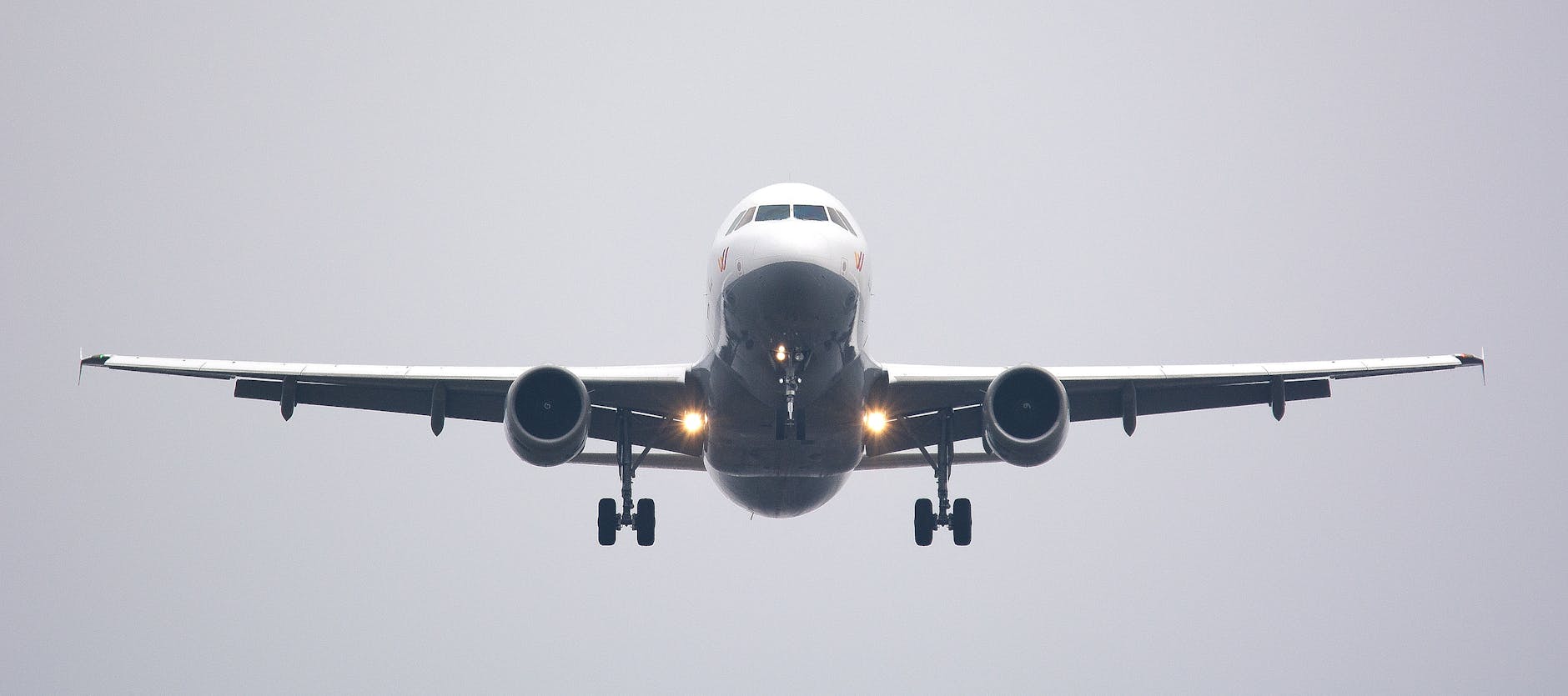
News at a Glance: Fares Under Pressure as Fuel Costs Rise
In a developing turn for U.S. air travel, United Airlines signaled that ticket prices could climb by as much as 20% if jet fuel remains costly. The warning comes as oil markets remain volatile in the wake of geopolitical tensions and production constraints. The company also disclosed capacity adjustments and a careful stance on future growth if fuel costs stay elevated.
What Is Driving the Soaring Fuel Costs?
Global oil prices have surged amid supply concerns and geopolitical risk, putting pressure on jet fuel margins across the airline industry. Analysts note that crude benchmarks traded near multi-year highs as markets weigh demand recovery against potential supply disruptions. In this climate, transport costs are not just a function of crude prices but also of refinery bottlenecks, shipping costs, and currency dynamics that influence fuel contracts.
Key Forecasts and Figures
- Fare trajectory: united airlines warns airfares could rise by as much as 20% if fuel costs stay elevated. This estimate reflects the airline’s view of a longer-than-expected period of higher jet fuel pricing.
- Oil price path: United’s internal forecast contends that jet fuel prices could push crude to roughly $175 per barrel and remain above $100 through the end of next year, a scenario the company says is plausible but not guaranteed.
- Capacity strategy: The carrier has pared down roughly 5% of its routes that aren’t profitable under current fuel-cost assumptions, emphasizing routes with stronger margins and pricing power.
- Demand signal: Management described current demand as “incredibly strong” while acknowledging that sustained higher fares could eventually temper travel appetite.
How United Is Responding
United’s leadership emphasized a margin-focused approach, with liquidity and balance-sheet strength playing a central role in weathering volatile fuel markets. A senior executive said the airline would continue to optimize capacity and route structure, even if that means leaving some demand on planes during peak travel seasons. “The downside is pretty limited if we act decisively,” the executive noted. “But it provides optionality on the upside when the economy bounces back.”

Direct Quotes and Context
The company’s leadership framed the fuel-cost challenge as a core risk driver for ticket pricing. In a candid briefing, a United spokesperson explained that the airline’s forecasting hinges on multiple fuel-scenario paths, including prolonged elevated prices and potential volatility. In discussing the current environment, a senior executive stated, “Demand is incredibly strong right now, and we’re prepared for higher fuel costs to persist.”
Analysts point to the tension between strong travel demand and higher prices that could suppress discretionary trips. The dynamic is shaping pricing power across the industry, even as some carriers hedge exposures with financial instruments. The discussion around hedging has spotlighted United’s size, which complicates traditional hedging strategies but also affords scale advantages when fuel costs spike further.
Implications for Travelers
For fliers, the message is clear: ticket prices could move higher in a fuel-cost environment. Travelers planning trips in the coming months should consider flexibility on dates and airports, compare pricing across carriers, and monitor fuel-market updates that can quickly translate into higher fares. The airline sector remains vigilant about balancing price signals with demand, and consumers should expect some volatility in ticket costs on long-haul and popular domestic routes.
Industry Environment and Risks
Across global aviation, fuel is the single largest variable cost for most carriers. While some airlines hedge aggressively against price spikes, others rely on disciplined capacity management and pricing discipline to protect margins. The current cycle highlights a broader shift: as oil prices move, airline profitability hinges on how quickly demand recovers and how effectively carriers control capacity during periods of elevated fuel costs.
Market and Investor Reactions
Investor sentiment around airline equities has traded in response to fuel-price expectations, with shares of major carriers fluctuating in response to guidance about pricing and capacity. If fuel costs prove persistent, investors could price in higher fares as a near-term earnings headwind but may reward carriers with strong pricing power and liquidity cushions. In this environment, united airlines warns airfares are a bellwether for broader pricing momentum in the sector.
What to Watch Next
- Oil-market indicators: Crude price movements and refinery margins will continue to shape jet-fuel pricing and ticket costs.
- Airline capacity decisions: Any further route reductions or selective retirements could influence fare structures and traveler options.
- Demand trends: Consumer confidence, leisure travel seasons, and business travel cycles will determine price sensitivity to fare increases.
Bottom Line
As fuel costs rise on the back of geopolitical tensions and supply limitations, united airlines warns airfares could rise up to 20% if jet fuel costs stay elevated. The airline is leaning into capacity discipline and liquidity discipline to weather the scenario, while travelers should prepare for higher prices and consider early booking or flexible travel plans. The next several weeks will be telling as energy markets reveal whether the price spike endures or eases, which will in turn influence ticket pricing across the U.S. airline network.
About the Fleet and Longer-Term Outlook
Beyond immediate fare pressures, United also emphasizes strategic investments in premium travel products and fleet modernization as a longer-term response to a fuel-cost environment. The company reiterates that maintaining a modern, efficient fleet supports margins when fuel prices swing. While executives acknowledge the near-term pressure from higher jet fuel costs, they remain confident in a path toward durable profitability and enhanced customer experiences as demand stabilizes.
Discussion