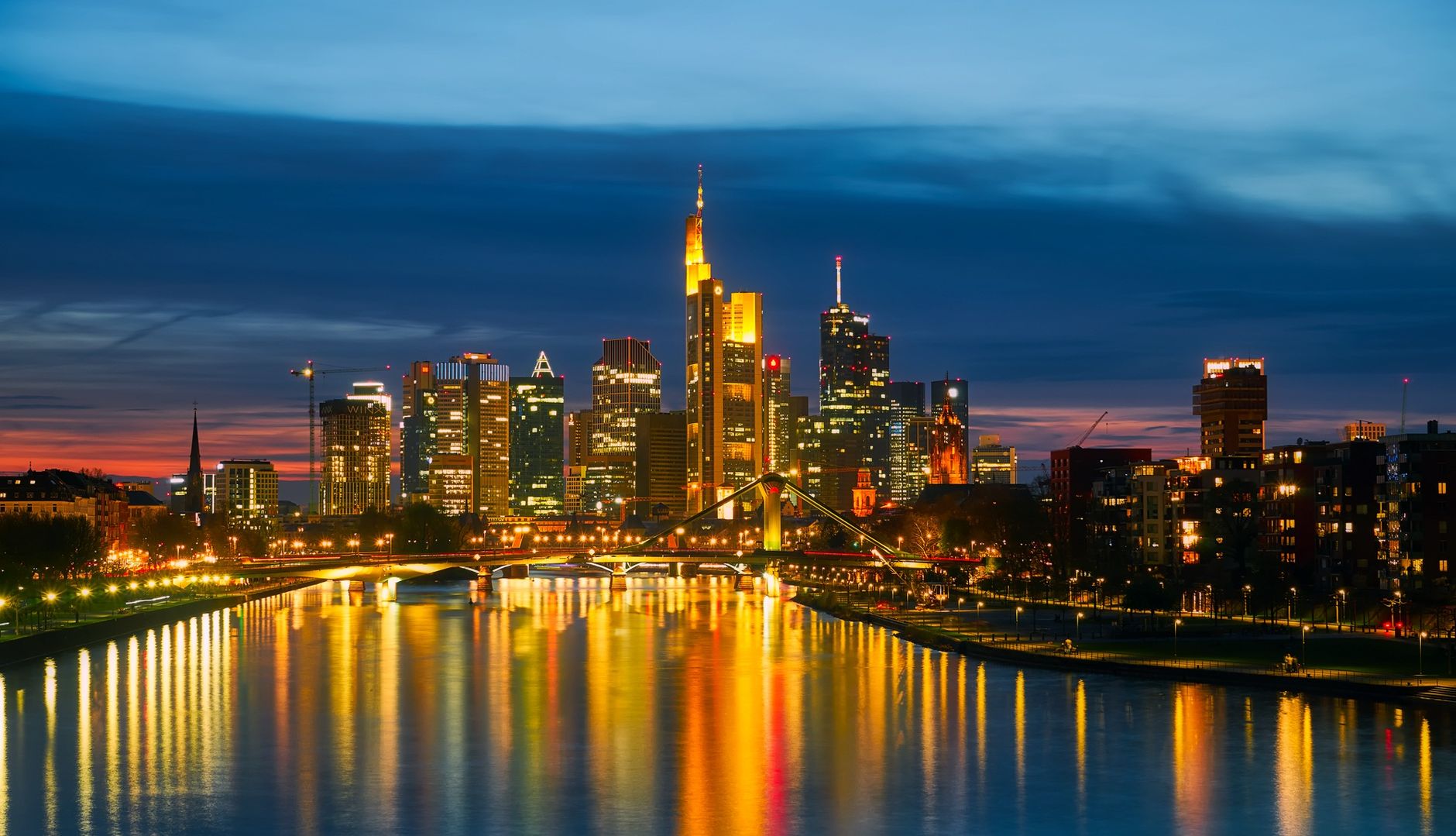
World Cup Tipping Point for U.S. Tourism
After a challenging year for travel, the 2026 World Cup is poised to jump-start tourism in major U.S. cities. The tournament, staged across 16 host markets from New York to Los Angeles, is expected to draw millions of international fans, corporate visitors, and casual sightseers. Early forecasts from travel economists point to a meaningful uptick in visitor numbers and consumer spending during the tournament window.
Analysts caution that the size of the rebound will hinge on ticket demand, airline capacity, and local amenities, but the momentum is clear: the World Cup is not just a sporting event; it is a catalyst for hotel rooms, restaurant traffic, and transit use in the host corridors. The coming weeks could redefine how households view travel budgets and how cities balance crowd flow with neighborhood quality of life.
How Big Could the Boost Be?
Economists have released a range of scenarios, from a modest lift to a robust surge in international travel. Across the most active markets, analysts predict a sustained spike in hotel occupancy, restaurant reservations, and in-city transport use from late May through early August. The core numbers cluster around several key data points:
- Projected international visitors during the World Cup window: roughly 2.5 million to 3.2 million across the United States.
- Incremental tourism spending: an estimated $6 billion to $9 billion in additional direct tourism expenditure across host cities.
- Hotel occupancy gains: host markets could see occupancy climbs of 4 to 8 percentage points during tournament weeks, with some districts hitting double digits on peak match days.
- Airline and transportation ripple: U.S. carriers expect extra seat demand and ticket-price sensitivity to seasonality, potentially lifting domestic travel volumes for the quarter.
- Short-term GDP lift: economists gauge a quarterly boost in regional GDP of about 0.1% to 0.4% during the World Cup period, with effects cascading into retail sales and services jobs.
In conversations with industry researchers, the consensus is that the World Cup can deliver a much-needed tourism rebound for cities that have faced uneven visitor counts in recent seasons. The forecast assumes stable security conditions, successful visa and entry processing, and smooth match-day transportation planning.
One industry analyst notes, ‘This is a rare, multi-city tourism engine. If the logistics line up, the impact could extend well beyond the tournament itself.’ Still, the forecast rests on a number of moving parts, including fan attendance and the pace at which fans explore the broader city beyond stadium districts. In other words: the World Cup is a catalyst, not a guarantee.
Which Cities Stand to Benefit Most?
Large metro areas hosting multiple matches — notably New York, Los Angeles, Dallas, and Miami — are expected to pull in the bulk of international visitors. But the spillover effect could extend to secondary markets with strong hotel and event ecosystems, such as Seattle, Atlanta, Philadelphia, and the San Francisco Bay Area. Local tourism officials are aligning with airlines and rail providers to build packages that couple game days with day trips, cultural tours, and family-friendly activities.
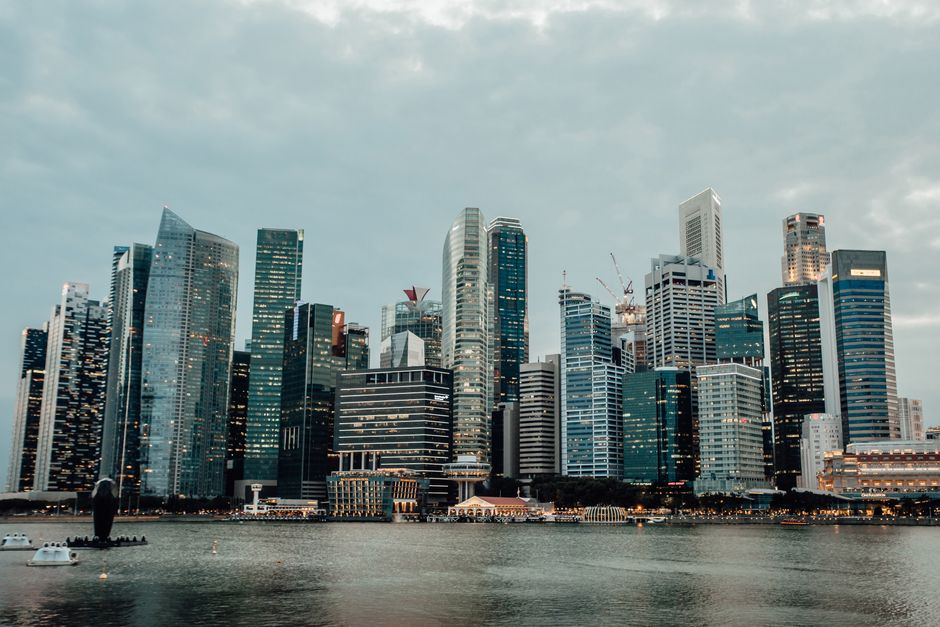
In the current market climate, travelers are more price-conscious than in years past, yet many remain willing to pay for a once-in-a-generation sporting event. For U.S. households, this means juggling travel budgets against other financial priorities like housing, debt reduction, and retirement planning. The World Cup could serve as a reminder that travel is not a luxury but a potential cornerstone of household financial planning when approached with discipline.
The Catch: What Could Slow the Boost
Optimists emphasize that the World Cup is a temporary boost, with most benefits concentrated in the tournament window. Yet several risks could curtail gains. Potential headwinds include higher-than-expected ticket prices, limited hotel capacity in peak match days, rising airfare, and weather disruptions. Cities will also need to manage cruise-control crowding in popular districts, ensuring residents don’t feel priced out of their own neighborhoods.
Another caveat is that, while international fans create a surge in demand, local residents may shift travel plans around the events, which could dampen base tourism during non-World Cup weeks. The net effect will depend on how well host cities market ancillary experiences and how effectively they execute crowd-management plans on match days.
What This Means for Travelers and Families
For individual travelers and households, the World Cup narrative offers both opportunities and challenges. On one hand, fans can find bundle deals on lodging, guided tours, and transit passes designed to maximize value during a concentrated travel window. On the other hand, demand spikes can push prices higher in popular neighborhoods and limit late-booking options.
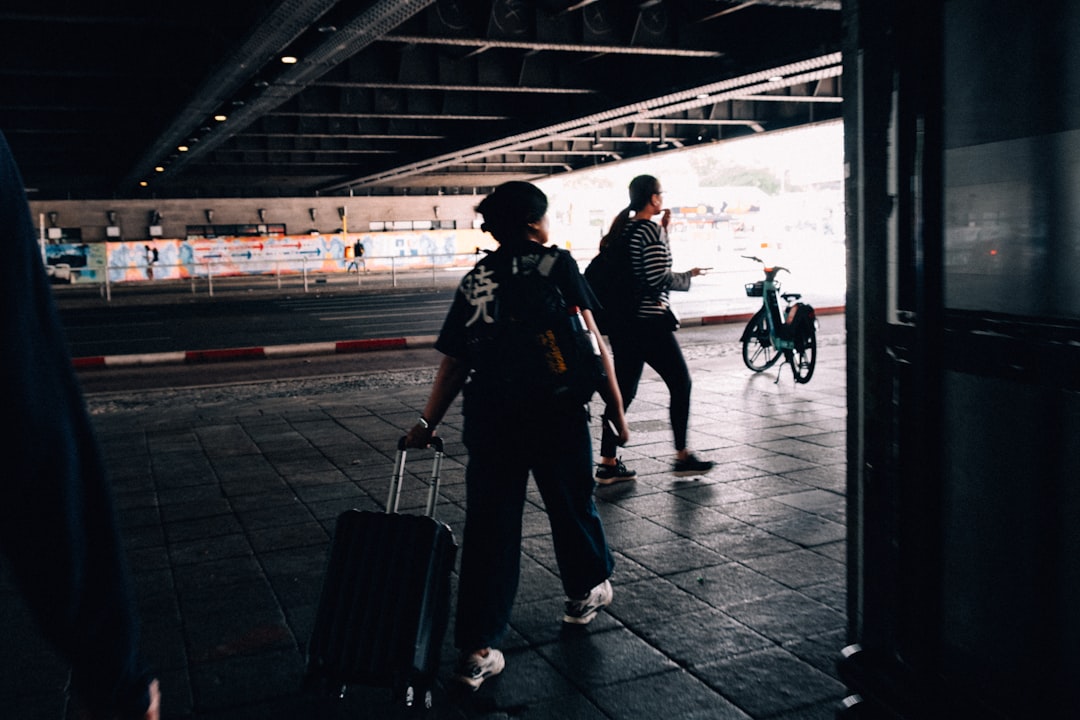
Travel budgeting becomes a practical exercise: set a cap on lodging costs for peak days, compare multi-city passes, and plan ahead for transportation. Importantly, consumers should track cancellation policies and trip insurance options in case schedules shift due to weather or security considerations.
How Households Can Prepare
- Lock in accommodations early in primary markets and explore nearby suburbs with lower rates.
- Look for bundled offers that combine tickets, transit, and meals to lock in savings.
- Assign a travel budget that accounts for inflation in hospitality and food services, then build a contingency fund for unexpected changes.
- Monitor airline changes and alternative routes, as capacity constraints can affect ticket prices.
- Keep track of local safety and health advisories, especially for family travel in crowded venues.
Historical Perspective and Market Context
The current forecast sits at an intersection of broader economic conditions. Inflation has cooled from last year’s highs, consumer sentiment has improved, and travel demand has shown resilience in the spring, though household budgets remain scrutinized. In this environment, the World Cup could serve as a practical case study on how a major global event translates into real economic activity for cities with vibrant tourism ecosystems.
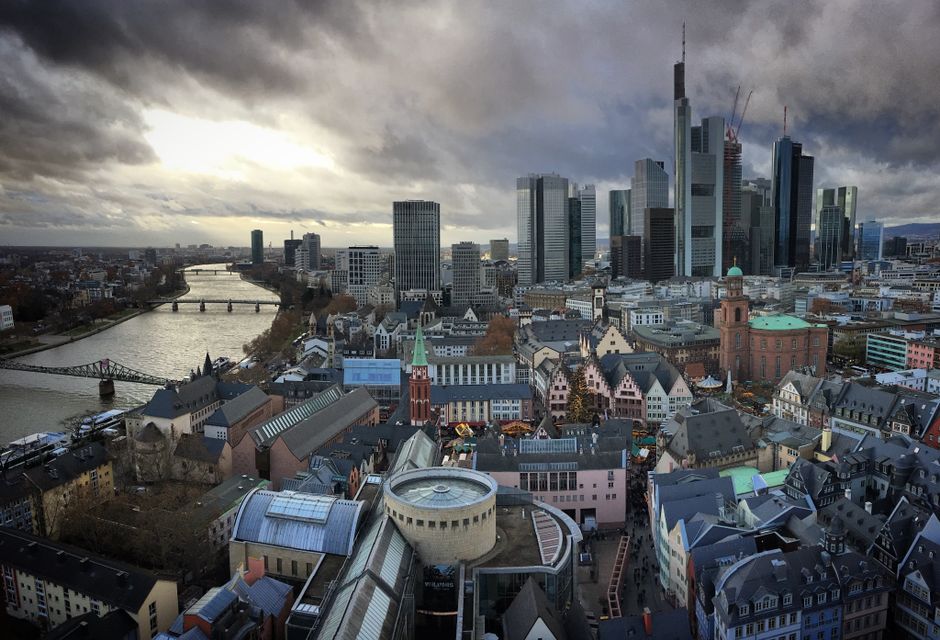
As one veteran travel economist puts it, the World Cup is a public-facing accelerator: it brings forward demand that would otherwise unfold gradually over the year. If the U.S. cities will tourism becomes a sustained trend rather than a one-off spike, the long-run impact could influence how destinations invest in hospitality, transit, and public spaces for years to come.
Bottom Line for Investors and Local Leaders
For investors watching tourism-oriented sectors, the World Cup window represents a high-visibility catalyst. Hotels, restaurants, and transport operators in the host markets could see revenue improvements in the short term, with some tailwinds reverberating into retail and entertainment sectors. City planners and local businesses, meanwhile, should track traffic patterns and lodging demand to plan for the post-tournament slowdown and to preserve neighborhood livability for residents.
In sum, the World Cup is more than a sports event; it is a real-time economic test for U.S. cities, with the potential to prove that the country’s tourism engine can sprint without overheating. If the forecast holds, u.s. cities will tourism-driven gains become a central storyline for the summer and a bellwether for how large-scale events shape household finances and local economies alike.
Final Takeaway
As the World Cup unfolds, everything hinges on execution: tickets sold, fans who travel, and cities that can manage crowds while delivering a quality experience. The next few weeks will tell if the initial optimism translates into a durable lift for U.S. tourism. For now, the economic narrative is clear: the World Cup could be a rare bright spot for travel-minded households and city economies alike.
Discussion