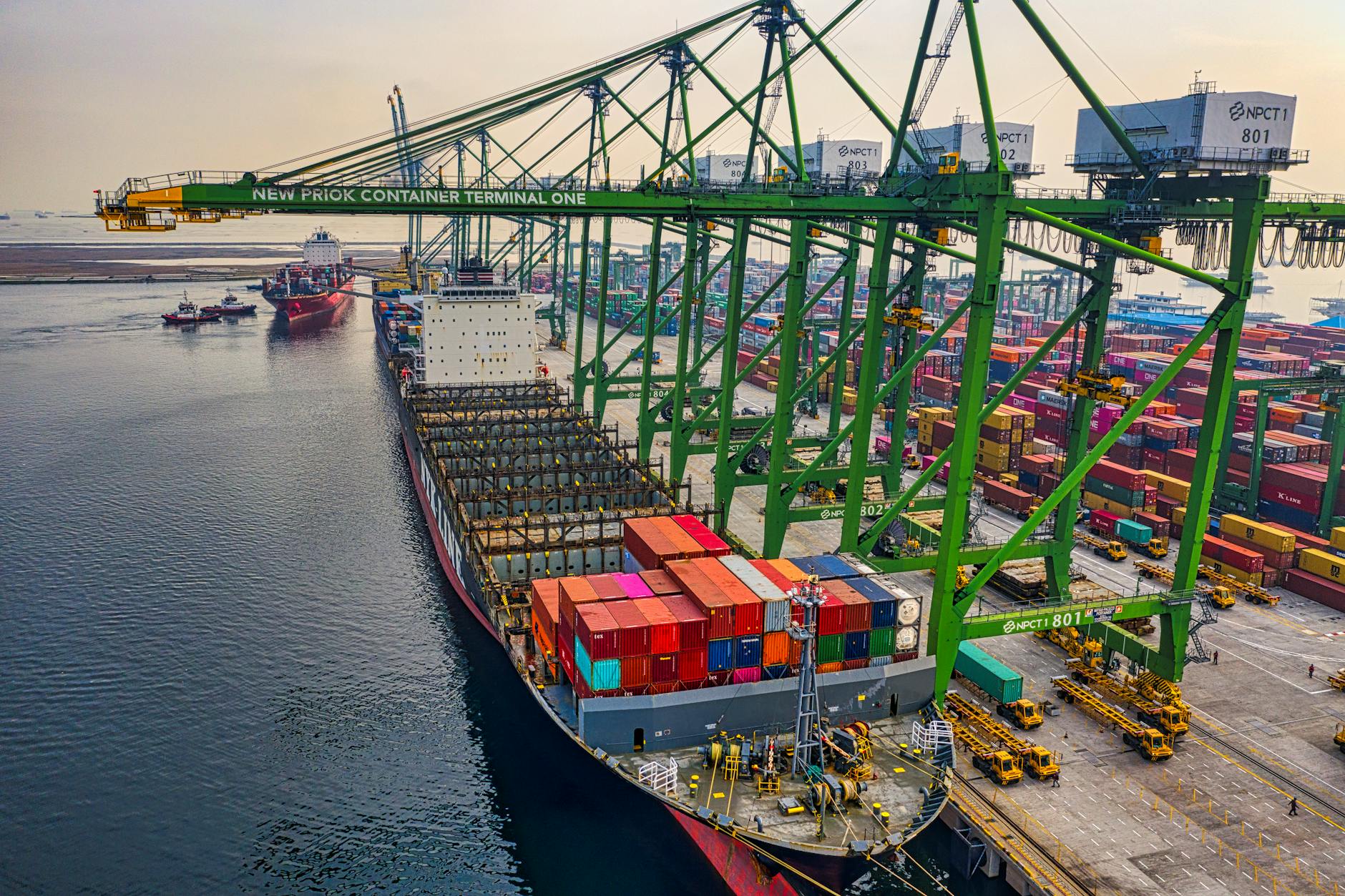
Market Backdrop: LNG Requests Mount as Asia Looks to the U.S.
With energy markets rattled by ongoing regional tensions, Asian buyers are turning up the pressure on U.S. suppliers. Industry executives say the u.s. natural exporters literally field a surge of inquiries as nations in Northeast Asia seek reliable LNG cargoes to keep power plants running and households heated.
Even with a rapid push to boost exports, experts warn relief won’t happen overnight. The typical voyage from U.S. Gulf coast facilities to major Asian consuming hubs spans roughly four weeks, meaning any surge in shipments will arrive in stages rather than all at once.
New LNG Capacity Taking Shape in Texas
Houston-based producers are racing to bring new export trains online. Cheniere Energy, the largest U.S. LNG exporter by capacity, expects its Corpus Christi complex to begin shipping new cargoes by the end of this week, a move that could lift daily export volumes in the near term. Two additional trains at Corpus Christi are planned to enter service later this year, expanding one of America’s most active LNG export hubs.
Executives emphasize safety and reliability over volume, noting that maintenance schedules are under intense scrutiny. An industry veteran said, "We’re pushing to maximize capacity, but we won’t cut corners on safety or uptime. Reliability matters more than a single late molecule."
How Much LNG Can the U.S. Deliver Right Now?
Current estimates put U.S. LNG exports near a multi-year high, with daily capacity hovering around 12-14 Bcf/d and room to grow as trains come online and maintenance is optimized. Analysts say the incremental gains will come in fits and starts, not as a single windfall, precisely because each new train requires extensive testing and safety checks before sending cargoes overseas.
- Corpus Christi: New export trains expected online by week’s end; two more trains later this year.
- Overall capacity: Roughly 12-14 Bcf/d with potential to rise toward the mid-teens as projects hit full stride.
- Timing to Asia: Average transit from Gulf Coast to Northeast Asia runs around 28 days, meaning staged deliveries over weeks instead of a single rush.
- Maintenance: Operators say they are examining schedules closely to avoid outages that would undermine reliability.
Asia’s Demand, Qatar, and Global Supply Dynamics
The shift in LNG flows is happening against a backdrop of a disrupted Middle East supply chain. Qatar, a major LNG supplier responsible for roughly one-fifth of global LNG supply, has faced operational frictions tied to geopolitical events. Analysts caution that even if other producers pick up the pace, the near-term window could see only partial relief for Asia.
Industry observers note that disruptions in Qatar’s Ras Laffan facilities could extend downtime for certain shipments. While a full return to normal may take months to years, the immediate effect is a tighter global market that translates into higher prices for buyers and more strategic procurement by utilities and industrial users alike.
What This Means for American Families and Investors
For households and energy users in the U.S., the rapid evolution of LNG exports matters because global prices influence domestic fuel markets and electricity costs. With more LNG flowing to Asia, some observers caution that U.S. natural gas prices could remain volatile in the near term, even as supply remains robust at home.
From an investing angle, the LNG push underscores a broader trend: the United States is solidifying its role as a reliable energy supplier to the global market. As such, the energy sector could see continued attention from investors seeking resilience and growth tied to infrastructure, exports, and international demand cycles.
Risks to Watch
While the near-term outlook looks promising for exporters, several risks could temper the pace of relief. These include possible delays in new train commissioning, unexpected maintenance shutdowns, and weather-related disruptions that affect loading operations. Additionally, geopolitical tensions in the Middle East could flare again, influencing both supply availability and pricing rules for LNG contracts.
- Operational delays: Any hiccup in new train start-ups could slow export growth.
- Logistics: Shipping bottlenecks or port constraints could cap how quickly cargoes move to Asia.
- Price sensitivity: Higher LNG prices may prompt more aggressive conservation measures in Asian markets, tempering demand.
Bottom Line for 2026 and Beyond
As Asia pleads for steady LNG supplies, the United States’ export network is stepping up in real time. The phrase u.s. natural exporters literally captures the moment: American producers are increasingly seen as a reliable lifeline for buyers facing global disruptions. Yet the reality remains that even with new trains and expanded capacity, relief is a process—weeks, not days, separate calls from actions, and only with careful management of safety and logistics will shipments reach their destinations.
Looking ahead, markets will closely monitor how quickly new capacity can be added, how maintenance schedules hold under pressure, and how the broader geopolitical landscape shapes LNG pricing and long-term supply deals. For households and investors alike, the message is clear: the U.S. LNG story is becoming a central pillar of both the energy system and the personal finance narrative in 2026.


Discussion