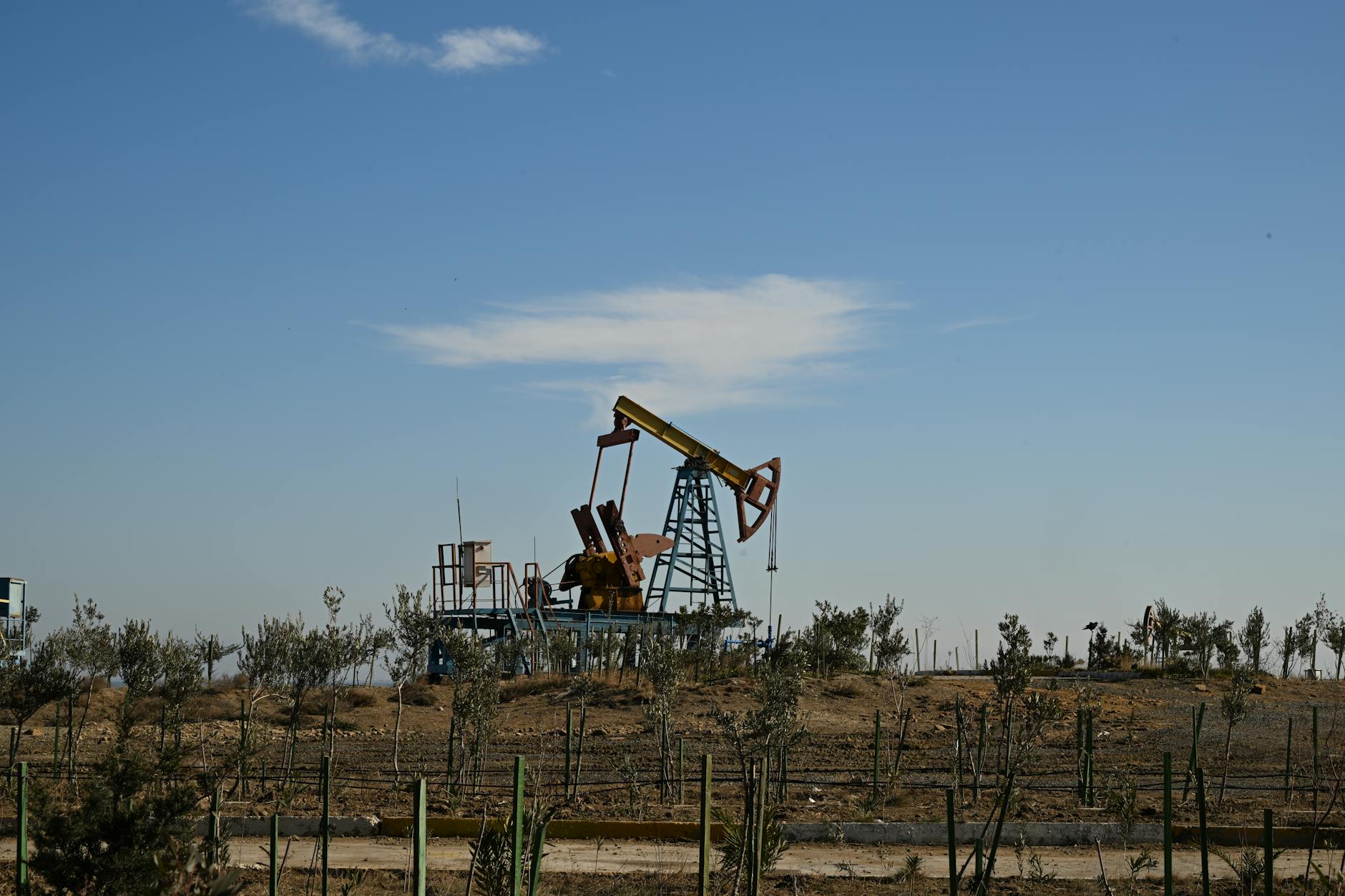
The u.s. strategic petroleum reserve is near panic levels as stockpiles have slipped to levels not seen in years, placing energy markets and household budgets under renewed pressure as summer driving season approaches.
Market Context In Focus
Oil traders are grappling with a rare mix of shrinking emergency supplies and a fragile macro backdrop. The SPR sits at roughly 400 million barrels, about 60% of the DOE’s stated capacity of roughly 714 million barrels. That gap between need and stock is narrowing the government’s buffer to blunt supply shocks and adds a price floor concern for investors watching every barrel movement.
“We are in a danger zone for energy costs,” said James Lin, a senior energy strategist at MarketEdge. “Any surprise disruption—from a refinery outage to geopolitical flare-ups—could lift gasoline prices at a faster pace than typical summers.”
Energy policy officials acknowledge the squeeze while emphasizing security over the near-term market signal. A DOE spokesperson said, "The department monitors SPR levels continuously and will act to protect national energy security as needed." The comment underscored a willingness to deploy replenishment tools if crude markets spike or prolonged outages emerge.
What The Numbers Tell Us
- Inventory: The SPR's remaining stock is around 400 million barrels, a fraction of its peak and well below historical highs.
- Crude pricing: WTI crude has hovered near the upper $70s to low $80s per barrel range in recent sessions, reflecting tighter supply dynamics and ongoing global demand pressures.
- Gasoline pricing: National average pump prices have edged higher, with motorists paying in the mid-$3-per-gallon territory in many states as summer travel ramps up.
- Replenishment plans: Washington officials are weighing replenishment options, including when and how aggressively to buy back oil to restore SPR levels, depending on price signals and budget considerations.
- Historical context: The current level marks one of the tighter stretches in the post-emergency reserve era, raising questions about resilience should a new supply shock arise.
Analysts caution that each SPR move reverberates through markets differently depending on the trajectory of crude prices and the timing of replenishment. "Lower SPR levels tighten the government’s ability to blunt supply shocks, which tends to magnify price volatility during periods of stress," noted Maria Chen, energy economist at Beacon Finance.
Impact On Households And Investors
For households, the reserve’s size translates into a potential ripple effect on energy bills and inflation readings. If SPR draws or contingent replenishment becomes a near-term policy lever, those actions can influence crude benchmarks and, by extension, gasoline and heating costs for American families.

Investors are watching the situation as well. Energy equities often respond to shifts in SPR strategy alongside crude price moves. A sudden replenishment plan could cap upside in oil prices, while aggressive drawdowns without a clear replenishment path could push risk assets toward additional volatility.
“Personal finances feel the impact first in the wallet,” said Laura Diaz, a personal finance consultant. “Even modest shifts in energy costs can alter monthly budgets, from commuting to cooling bills, and that trickles into consumer spending and savings.”
Policy And Replenishment Outlook
The policy question now centers on when and how to replenish SPR stocks if market conditions justify it. The federal government has tools to manage strategic reserves, including accelerated purchases when prices permit and the timing of releases for domestic stability. However, a rapid replenishment could require substantial outlays in a year of competing budget pressures.
Analysts suggest several scenarios on the horizon:
- Escalation of crude prices could spur earlier replenishment commitments to avoid higher future costs.
- A gradual recovery in oil markets might push the DOE to delay purchases until prices retreat, reducing near-term budget pressure but prolonging low-stock risk.
- Geopolitical events—such as regional conflicts or sanctions developments—could accelerate SPR decisions, regardless of price signals.
In interviews with market observers, a consistent message emerged: SPR levels matter, but they are only one piece of the broader energy and inflation puzzle that households and markets are navigating in 2026.
What To Watch Next
As the summer travel season picks up, investors and consumers should keep a close eye on several indicators that could signal the next leg of the SPR story:
- DOE updates on SPR inventory and replenishment timelines, including any formal announcements of purchases or reserve management changes.
- Shifts in WTI crude pricing that could trigger or delay replenishment decisions.
- Gasoline and heating oil price trajectories across regions, which reflect both SPR moves and refinery dynamics.
- Inflation readings and consumer spending trends, which are sensitive to energy costs and, in turn, influence Federal Reserve policy expectations.
For families, the practical takeaway is to plan for potential volatility. Budget energy usage, monitor fuel prices, and consider flexible spending strategies in case energy costs rise in the coming months. The interplay between the u.s. strategic petroleum reserve and daily expenditures may become a louder feature of personal finances as the season progresses.
Bottom Line
The u.s. strategic petroleum reserve is no longer merely a backstop; it is a live factor in the price equation for energy and a potential lever for policy makers. With stockpiles near levels that invite concern and prices moving in a sensitive band, both markets and households should prepare for continued volatility in the weeks ahead.

Discussion