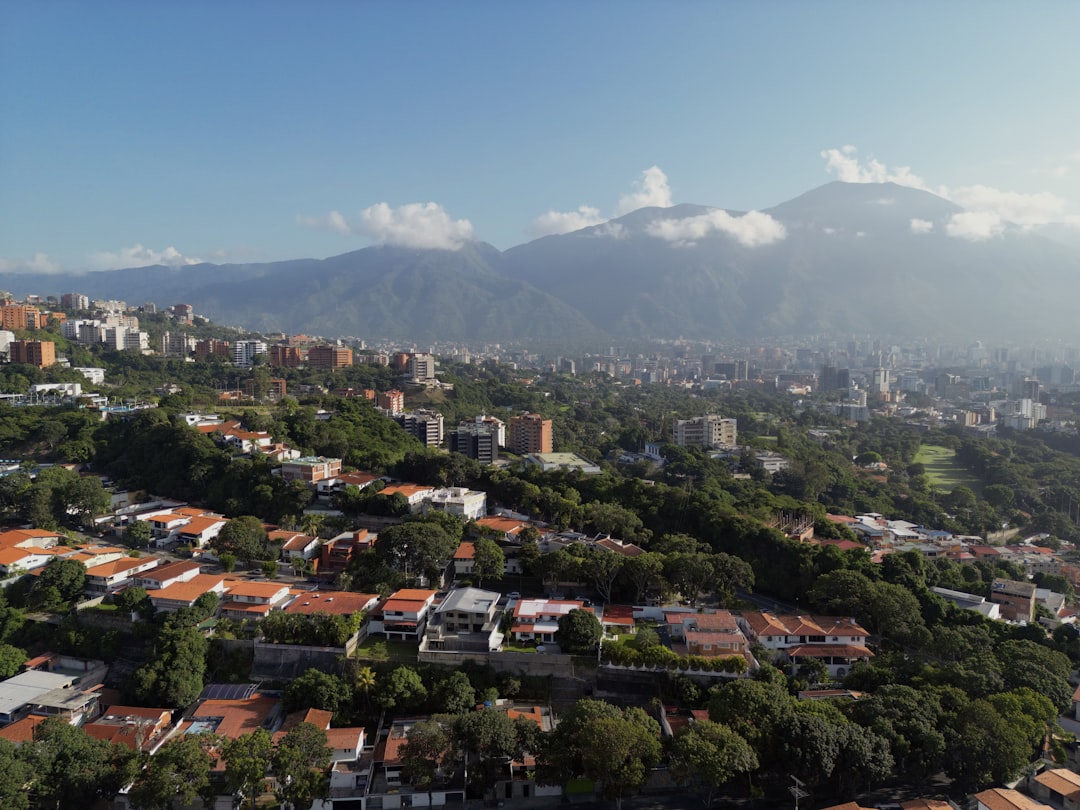
Hormuz Math Keeps Markets in Focus
Oil prices moved higher this week as traders weighed the stubborn bottleneck at the Strait of Hormuz against modest supply gains elsewhere. The math is simple in theory but brutal in practice: the world depends on a narrow chokepoint for a sizable portion of crude and LNG, and any disruption reverberates through inventories and prices. Analysts say the gap between the appetite for oil and the pace at which alternative supplies can fill that gap remains the defining risk for households and portfolios alike.
Market watchers emphasize a persistent paradox: while a country like Venezuela holds the world’s largest proven oil reserves, its ability to lift global flows is constrained by production capacity, politics, and sanctions. As Asia and Europe factor in higher import bills, the street-level impact is felt in gas stations and energy bills, even if headline reserves appear expansive on paper.
Venezuela’s Oil Reality: The World’s Largest Proven, Yet Constrained
Industry veterans describe the current moment as a supply-and-demand puzzle where enormous reserves do not translate into immediate price relief. Venezuela's oil output sits near the 1 million-barrel mark per day, with forecasts suggesting only cautious gains in the next 12–18 months. That modest trajectory matters less to global balance sheets than the sustained outages and dislocations that can persist in the Strait of Hormuz.
“It’s a math problem,” said Fernando Ferreira, director of geopolitical risk at a major energy risk firm. “Hormuz flows about 20 million barrels a day. Venezuela is currently producing about 1 million.” The comparison underscores why a single country, even one with vast resources, cannot single-handedly rewire global markets during a period of regional tension and structural bottlenecks.
Another energy scholar adds that any growth in Venezuelan production is unlikely to meaningfully tilt the global equilibrium anytime soon. Francisco Monaldi, director of the Latin America Energy Program at a leading policy institute, estimates a potential rise to roughly 1.2 million barrels per day by late 2026, if political and logistical hurdles ease. Still, that would represent a fraction of daily world consumption, which stands near 103 million barrels, and would leave the market exposed to fluctuations and risk premiums as long as Hormuz remains blocked or stressed.
The Personal Finance Lens: How Markets Translate to Wallets
For households, the oil math translates into tangible costs. Gasoline prices, energy bills, and transportation costs all respond to the price signals coming from producers around the globe. Even small shifts in supply expectations can ripple through monthly budgets, complicating plans for commuting, home heating, and consumer spending.
As of early 2026, energy markets show elevated volatility in response to geopolitical headlines and slow-but-steady improvements in non-OPEC supply. The immediate takeaway for savers and shoppers is to prepare for continued price volatility, with the potential for brief spikes if geopolitical headlines worsen or supply disruptions intensify.
- Global demand: roughly 103 million barrels per day.
- Hormuz choke-point share: about 20% of the world’s oil and LNG flows pass through the strait each day.
- Venezuela production: around 1 million barrels per day, with upside potential but significant political risk.
- Forecasted Venezuelan uplift by 2026 end: up to ~1.2 million bpd, a change of ~0.2 million bpd (less than 0.3% of global consumption).
These numbers help explain why even optimistic projections for venezuela world’s largest proven reserves do not automatically translate into lower prices for consumers. Traders monitor not just reserves, but the transition from rhetoric to policy, and the readiness of markets to absorb supply when the Strait of Hormuz reopens or alternative routes stabilize.
Policy Moves and Market Reactions
With the White House and allied governments signaling a push to maintain resilience in energy supply, there is a growing emphasis on diversified suppliers and strategic reserves. Policymakers are weighing sanctions relief or easing in select areas to accelerate production ramp-ups in regions with better governance signals, while simultaneously seeking diplomatic channels to reduce the risk of outages at Hormuz.
Market participants watch two themes closely: first, whether geopolitical tensions ease enough to permit steadily increasing flows through Hormuz; second, whether non-OPEC supply and domestic US shale can bridge the gap in the interim. Each scenario carries different implications for inflation dynamics, consumer spending, and the cost of capital for energy-intensive industries.
What to Watch Next: Signals and Scenarios
Analysts suggest three core scenarios over the next six to twelve months. Each carries distinct implications for personal finance, investment strategies, and ordinary households:
- Optimistic reopening: A gradual de-escalation of tensions leads to a smoother flow through Hormuz, with prices retreating modestly as inventories normalize.
- Stalemate with incremental gains: Production in non-OPEC regions grows slowly, providing a hedge against shocks but not a wholesale price reset.
- Persistent risk premium: Geopolitical risk remains elevated, keeping energy costs stubbornly high and weighing on consumer confidence and discretionary spending.
In this environment, the focal point for the market remains the balance between supply resilience and geopolitical risk. The venezuela world’s largest proven reserves are a critical headline, but the real-time market story centers on flows through Hormuz, sanctions policy, and how quickly alternative routes can be brought online at scale.
Bottom Line: The Reserve Lingers, but Price Comes First
Observers agree that while the venezuela world’s largest proven reserves are a substantial symbolic asset, they do not automatically translate into a lower-cost energy future. The Strait of Hormuz, as the choke point for roughly one-fifth of global energy, continues to set the tempo for prices and volatility. Consumers and investors alike should prepare for a period of ongoing uncertainty, with the potential for sharp moves tied to headlines and policy developments.
For families seeking to insulate budgets, practical steps remain unchanged: monitor energy bills, consider timing purchases for high-usage months, and diversify investments to balance risk. The energy market may be volatile, but a disciplined approach to saving and careful planning can help weather the swings driven by global supply constraints and geopolitical developments.


Discussion