Surge in Screwworm Cases Triggers Urgent Warning
As of July 2026, state veterinary offices and humane groups report more than 30 confirmed cases of flesh-eating New World screwworm larvae in Texas and New Mexico, with two cases involving dogs. The developments mark a sharp return of a parasite that had largely been eradicated decades ago, raising alarms for pet owners and rural households that depend on outdoor animals.
What the Screwworm Is and Why It Spreads
The New World screwworm fly lays eggs in open wounds, and the developing larvae feed on living tissue. It can infest any mammal, including pets, wildlife, and rarely people. After about a week of feeding, the larvae drop to the ground and mature into adult flies, continuing the life cycle.
- Migration pattern: The pest has moved north from Central America and into southern Texas and southeastern New Mexico.
- Agricultural risk: Officials warn the issue could affect cattle and other livestock, with the broader industry worth roughly $113 billion.
- Vulnerable groups: newborns and animals with recent surgeries or wounds are most at risk.
Signs to Watch For in Your Pet
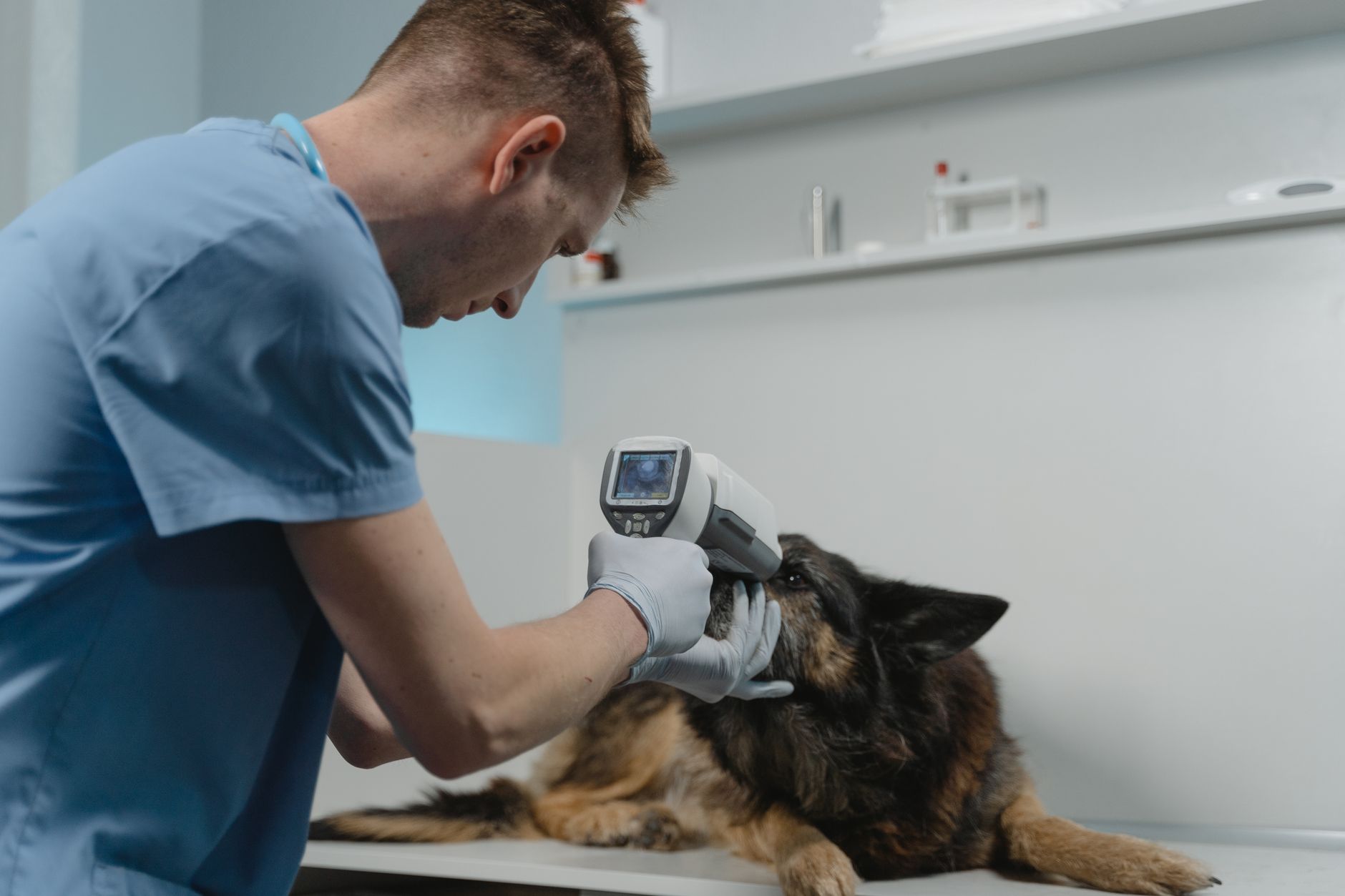
Pet owners in the affected corridor should inspect animals daily for wounds, bites, and swelling. Early detection is critical because infestations can progress quickly.

- Look for maggots in or around wounds or unusual discharge.
- Notice any foul odor from a wound or unusual restlessness in an otherwise calm pet.
- Be alert for signs of pain when touching an area and for general changes in behavior.
How Authorities and Vets Are Responding
Veterinary groups are coordinating with state health and agricultural departments to monitor the spread and educate the public. Specialists emphasize rapid diagnosis and treatment to prevent further tissue damage.
We are seeing wounds that attract larvae ready to invade, said Dr. Laura Chen, veterinary epidemiologist with the Texas Veterinary Society. Owners should check every wound, even small ones, and seek care promptly.
Officials have enhanced reporting networks and are advising clinics to test for screwworm when animals present with suspicious wounds. Shelters are advising owners to keep outdoor dogs supervised and to minimize exposed wounds by keeping fur trimmed around injury sites.
In recent statements, vets issue urgent warning to pet owners in the affected area, urging prompt care for wounds and vigilance against signs of infestation.
Impact on Household Finances
The new cases are prompting questions about pet care costs and insurance coverage. Vet visits, wound cleaning, imaging, and potential surgical removal of larvae can add up quickly, especially in rural clinics that must stabilize patients before transfer to specialty centers.
- Average cost range: initial exam and wound treatment can run from several hundred to over a thousand dollars depending on severity.
- Insurance: many pet policies cover emergencies but may exclude certain parasites or require riders for exotic infections.
- Longer-term care: some pets require follow-up visits, antibiotics, and wound management for weeks after treatment.
What Pet Owners Should Do Now
Experts recommend a proactive approach to protect pets and budgets.

- Inspect your pet’s skin daily, especially after outdoor activity or encounters with other animals.
- Keep wounds clean and seek veterinary care at the first sign of infection.
- Avoid home remedies that delay treatment or mask symptoms.
- Record any injuries with photos and notes to share with your veterinarian.
Public Health and Outdoor Advice
Public health bodies remind residents that screwworms can spread through wildlife and livestock. People who work with animals on farms or ranches should follow biosecurity guidelines and report unusual wound infections in animals promptly.
As outbreaks stretch into border towns and rural clinics, the message from vets issue urgent warning keeps echoing through clinics and shelters. Owners are urged to stay vigilant, act quickly on wounds, and keep a close eye on pets that roam outdoors.
Conclusion: Vets Issue Urgent Warning Across the Borderlands
The latest surge across Texas and New Mexico makes it clear that this is not a distant risk. Vets issue urgent warning to pet owners and farmers alike to stay vigilant, speed up treatment, and limit the spread. As authorities work to contain the outbreak, owning a pet in the affected areas will require more careful wound care and cost-conscious planning for potential veterinary care. The ongoing discussion among veterinary groups underscores the need for preparedness in households that rely on outdoor animals and modest pet health budgets.
Discussion