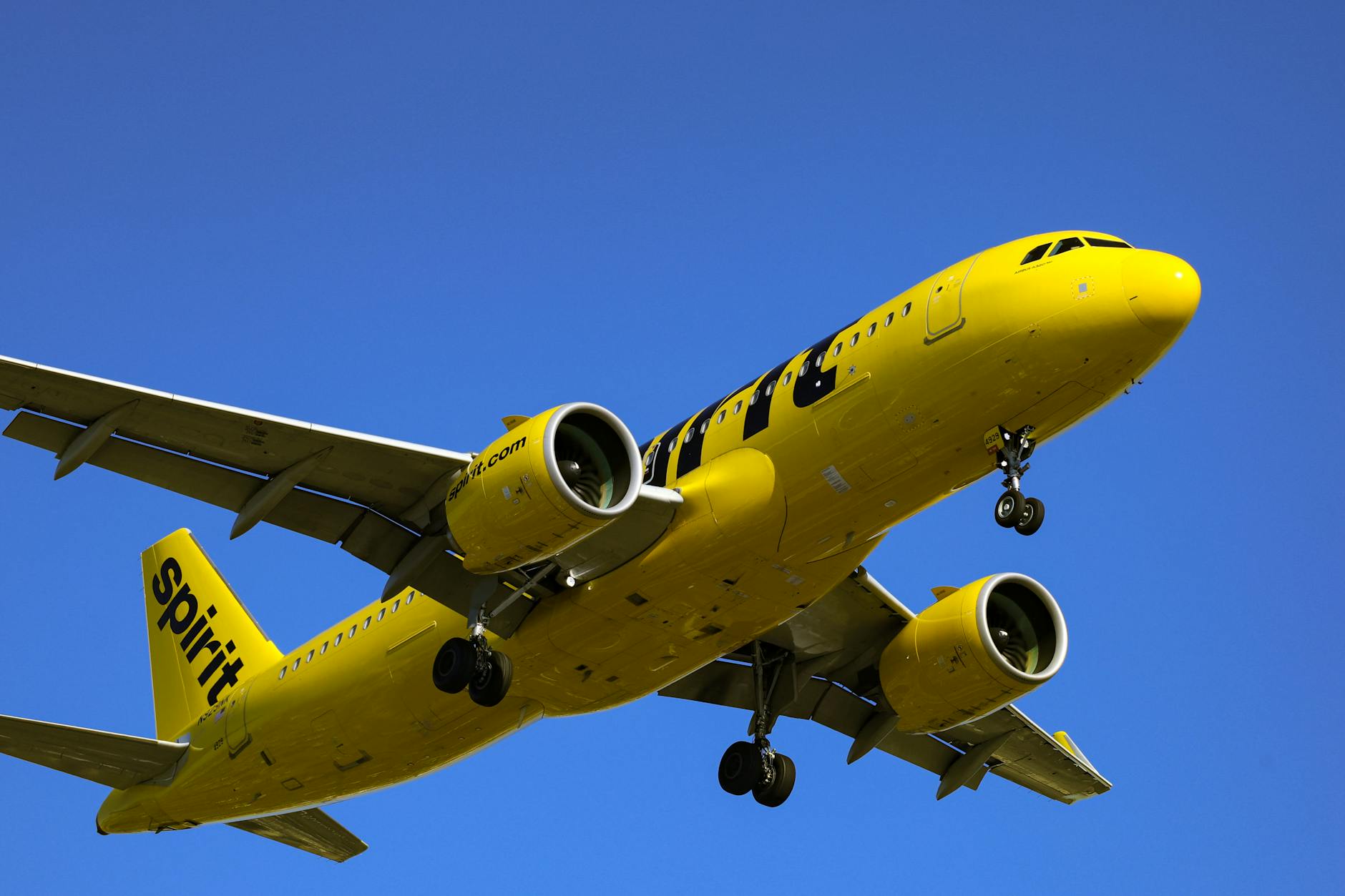
Breaking News: Spirit Airlines Stops Flying
In a sudden move, Spirit Airlines announced it has ceased all flight operations, filed for insolvency protection, and begun winding down its business. The shock announcement has left thousands of travelers with tickets in limbo and a scramble to secure refunds or alternative routes. The development comes as a broader wave of distress in the budget-airline segment ripples through the travel market in early May 2026.
What Happened and Why It Matters
Officials confirmed that Spirit’s leadership said the airline could not meet cash-flow obligations amid ongoing supplier and labor negotiations. A spokesperson for the company said, “We understand the disruption this causes to travelers, and we are working with lenders and regulators to wind down operations in an orderly way.” The abrupt shutdown has broad implications for trip budgets and consumer protections, particularly for customers who booked nonrefundable fares or bundles that included hotels and car rentals tied to Spirit tickets.
Airlines in the budget segment have faced higher fuel costs, tighter labor markets, and slimmer profit margins in 2026. The Spirit move is the latest in a string of carrier distress signals, but it stands out for the speed with which operations ended and refunds became the immediate priority for many customers. Industry analysts warn this could trigger a ripple effect across award redemptions, loyalty programs, and future flight inventory on rival carriers.
What Travelers Should Do Now
For travelers asking, what does spirit airlines' shutdown mean for their plans, the answers depend on how the ticket was purchased and what protections apply. The most important steps are to secure documentation, monitor refunds, and explore alternatives quickly. Here are practical actions to take today:
- Gather receipts and booking references. Collect e-tickets, payment confirmations, and any correspondence from Spirit or your travel agent.
- Check refund options on the original payment method. In most cases, refunds are issued to the card or account used at purchase, though some bookings may be converted into credits.
- Explore rebooking with other carriers. Major rivals like Delta, United, American, Southwest, and low-cost peers are offering seat inventory on a best-effort basis. Expect higher fares on popular routes immediately after a collapse like this.
- Consider travel insurance or credit-card protections. If you purchased coverage that includes trip interruption or cancellation, file a claim with your insurer. Some premium cards also provide trip protections if the airline defaults.
- Document timelines and responses. Record dates you requested refunds or credits and any delays in processing. This helps if you need to escalate a dispute.
Refunds, Credits, and Timelines
Refund mechanics shift quickly in a shutdown. The Department of Transportation and consumer protection offices typically require airlines to refund passengers when flights are canceled by the carrier. In practice, travelers should expect:
- Refunds to the original payment method, with typical processing windows of 7-14 days for card payments; some cases may take longer depending on the issuer.
- Vouchers or travel credits as alternatives in some bookings, often with expiration windows that vary by policy and route constraints.
- Chargebacks as a last resort. If refunds are not issued promptly, travelers can contact their card issuer to initiate a chargeback for non-delivered services, following the issuer’s rules.
- Receipts and documentation should be kept for at least 12 months, in case regulators request evidence of refunds and consumer communications.
What does what does spirit airlines' shutdown mean for refunds and how credits are applied depends on the specific ticket type and purchase channel. In many cases, you’ll receive a mix of refunds and credits, with cash refunds preferred by most travelers. The key is to stay proactive: file promptly, monitor banking statements, and push for timely processing.
How This Affects Rebooking and Availability
With Spirit out of the market, seats on competing carriers are in higher demand. The sudden loss of a large budget option can push fares higher on popular routes, especially during peak spring and summer travel windows. Consumers should expect:

- Increased flight prices on remaining budget and mainline services, with some routes experiencing 10-30% price jumps in the first week.
- Limited standby or last-minute seats as carriers adjust capacity and schedules.
- Potential restrictions on rebooking windows with other airlines, particularly for bundles that included hotel or car rental elements tied to Spirit itineraries.
Travel strategist Elena Park of Horizon Travel Analytics notes, “What does what does spirit airlines' shutdown mean for rebooking is that flexibility will be king for the next 60 to 90 days. Travelers should consider non-traditional routing and multi-carrier itineraries to minimize risk.”
Market and Industry Effects
The shutdown reverberates beyond individual travelers. Airlines and travel agents are recalibrating pricing, inventory, and refund processing commitments. Some observers warn of a short-term hit to consumer trust in low-cost carriers, even as others see an opportunity for stronger carriers to pick up stranded demand. Regulators are likely to scrutinize each carrier’s response to refunds, with increased attention on:
- Timely refunds and credit issuance after a carrier collapses.
- Fair treatment of customers who purchased nonrefundable products tied to the airline’s service.
- Clear guidance for travelers on rebooking and alternative routing that minimizes disruption.
Economists caution that the full impact may unfold over weeks, as rival airlines adjust schedules and price points to capture displaced Spirit customers. For now, the priority remains helping travelers recover value from their purchases and mitigating further losses from missed trips and nonrefundable arrangements.
Role of Government and Consumer Protections
Regulators are tightening oversight for airline failures. The DOT has historically required refunds for canceled flights and pushed for clear communications to consumers after major disruptions. In the current case, lawmakers and regulators are likely to consider temporary protections, such as streamlined refund processes, enhanced disclosure about equipment and route changes, and expedited claims handling for affected passengers. A DOT spokesperson said, “We will monitor the situation closely and coordinate with other agencies to ensure travelers receive refunds or timely alternatives.”
Practical Lessons for Next Time
While no one can predict airline stability with certainty, travelers can build resilience into their planning. Practical steps to limit loss when disruptions happen include:
- Choose flexible tickets or plans with clear refund rights, not just the lowest fare.
- Use travel-friendly credit cards that offer trip cancellation or interruption coverage.
- Purchase travel insurance with a broad fallback in case of carrier insolvency.
- Keep a small buffer of backup options in mind—alternative routes or overnight stays—not tied to one carrier.
The broader takeaway for consumers is cautious optimism: even as the travel market adjusts to a Spirit-free landscape, a more transparent refund regime and responsive customer service could emerge to protect travelers against similar shocks in the future. Understanding what does what does spirit airlines' shutdown mean for refunds, credits, and rebooking can help travelers minimize losses and recover efficiently from this disruption.
Bottom Line for Travelers
Spirit Airlines’ shutdown is not just a headline; it reshapes how thousands of travelers must approach refunds and rebooking in real time. If you hold a Spirit ticket, act quickly, stay organized, and lean on consumer protections to navigate refunds and credits. While the immediate future is uncertain, a combination of government guidance, airline alternatives, and savvy consumer choices can help you recover value and get back on track with your travel plans.


Discussion