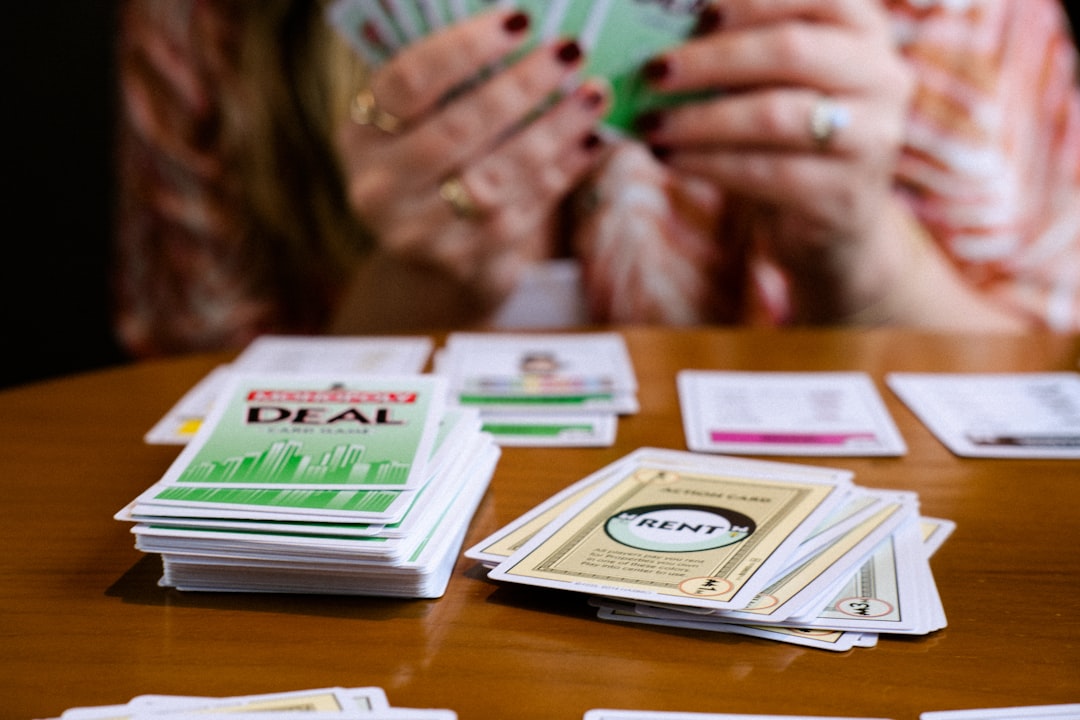
Introduction: The Real Secret to a Satisfying Retirement
When people think about retirement, they often picture sunny days and endless leisure. What they rarely discuss is a quiet but powerful driver of joy and well-being: social connection. Think of it as a strategic edge in the retirement game: connect socially. This isn’t merely a feel-good slogan; abundant research shows that our relationships shape our health, happiness, and even financial resilience. In this guide, I’ll share proven, actionable ways to build and protect social bonds after you step away from the traditional work routine.
Why Social Connection Is a Core Strategy in Retirement
Humans are inherently social beings. We don’t just enjoy company; we rely on relationships to thrive. As we age, the quality and consistency of our connections become even more important. Experts describe social ties as a key health ingredient—comparable to exercise and sleep—in protecting mental and physical well-being.
In retirement, routine changes can threaten those ties. Your daily interactions may shrink as colleagues retire, neighbors move away, or family schedules shift. Without a plan, loneliness can creep in, and that loneliness has real costs: studies consistently link weak social networks with higher risks of heart disease, cognitive decline, and even early mortality. Conversely, engaged retirees often report higher mood, more purpose, and better overall health—benefits that ripple into every area of life.
To frame this idea in a memorable way, I like a simple phrase you’ll see echoed in many retirement discussions: retirement game: connect socially. It’s a reminder that social life is not a bonus feature; it’s a central strategy for protecting happiness and longevity in retirement.
The Science Behind Connection: What Really Works
Research consistently shows robust benefits from regular social activity. A landmark finding is that strong social networks are associated with better health outcomes and longer life. While the exact numbers vary by study, multiple analyses show that loneliness and social isolation can raise the risk of death by a notable margin—sometimes comparable to well-known risk factors like smoking and obesity. In retirement, maintaining social bonds is not just pleasant; it can be a practical, life-extending hedge against illness and cognitive decline.

So, how do you translate that science into daily life? You don’t need a massive remake of your calendar. You need a deliberate plan that fits your personality, budget, and mobility. The idea is simple: replace passive time with purposeful social activities that you actually enjoy and can sustain over the years.
Consider this real-world example: after retirement, a former teacher named Linda felt her days become a blur of errands and TV. She joined a local book club, started volunteering twice a month at a community garden, and began hosting a quarterly neighborhood potluck. Within six months, she reported higher energy, more laughter, and a network of 6–8 close peers she could count on for daily check-ins or a quick coffee. It wasn’t about finding a single best friend; it was about creating a web of everyday social touchpoints that keep life lively and meaningful. That is the essence of the retirement game: connect socially.
How to Build a Social Routine That Sticks
You don’t have to become an extrovert overnight. The goal is a sustainable routine that feels natural. Here’s a practical playbook you can use starting today:
- Audit your current social life: List people you enjoy and places you go. Who do you see regularly, and who do you wish you saw more often?
- Set three weekly anchors: Pick three recurring social touchpoints—e.g., a weekly coffee with a neighbor, a board game night, and a volunteer shift. Consistency beats intensity in retirement planning.
- Tell a friend your plan: Sharing your intention raises accountability and makes it more likely you’ll show up.
- Balance in-person and digital connections: Video calls are a powerful bridge when distance or mobility is an issue. Use both modes to stay close to different circles.
Paths to Connect: Realistic, Budget-Friendly Options
Many retirees worry about time and money. The beauty of building a social life after work is that you can tailor it to your resources. Here are practical paths with examples and typical time commitments.
Neighborhood and Community Ties
Your own block or town is a goldmine of social opportunities. Look for community centers, libraries, and local clubs. Common options include book clubs, walking groups, gardening clubs, and coffee roasts at the library. A yearlong commitment to one or two groups can yield lasting friendships and a sense of belonging.
- Join a volunteer team at a library, museum, or food bank. Expect to serve 2–4 hours per week and meet 3–5 regular volunteers you’ll see again and again.
- Attend local classes for seniors or hobby groups (gardening, painting, cooking). Classes usually meet 1–2 hours weekly, plus the time you spend socializing afterward.
- Host a recurring coffee hour in your driveway or porch for neighbors. A 60-minute session weekly can turn acquaintances into friends.
Volunteering: The Social-Living Hybrid
Volunteering isn’t just about giving back; it’s a structured way to meet people while making a difference. Many retirees report that volunteering provides a sense of purpose and a social calendar that’s both meaningful and consistent.
- Choose roles that align with your strengths: tutoring, mentoring, or coordinating events can leverage decades of experience while connecting you with others who value your expertise.
- Commit to a regular schedule (e.g., one morning per week). Reliability helps you build a network of colleagues and friends.
- Track the personal outcomes: new friends, improved mood, and a sense of contribution.
Digital Bridges: Staying Connected Online
Technology can be a powerful connector, especially for retirees who live far from family or live with mobility constraints. Video calls, social apps, and online clubs can supplement in-person activities and widen your circle.
- Schedule a weekly video catch-up with a family member or friend who lives far away. Even 20–30 minutes makes a difference.
- Join an online interest group or class (e.g., virtual book clubs, cooking demos, or language exchanges).
- Use a simple platform you’re comfortable with, and gradually widen your tech skills—learning a new app can be a social victory in itself.
Staying in Touch with Family and Old Friends
Family bonds and longtime friendships can be the backbone of your social life. Proactively scheduling regular contact with siblings, cousins, or former coworkers can sustain a meaningful network through retirement’s ups and downs.
- Plan a quarterly family gathering or a monthly dinner with an old colleague.
- Repair broken connections by sending a heartfelt note or a short call to someone you lost touch with. A small effort can reopen doors.
- Use a shared calendar for important dates and birthdays; small gestures go a long way toward maintaining closeness.
Overcome Common Hurdles: Late Starts, Shyness, and Budget Constraints
Some retirees worry they’re starting too late or that they’re not the social type. The good news is that it’s never too late to grow your social world, and even small changes can yield meaningful benefits. If you’re shy, begin with one-on-one interactions rather than large groups. If time or money is tight, prioritize low-cost options and free events, which are plentiful in most communities.
Let’s translate these ideas into a practical action plan you can implement this month. Remember, your focus is the retirement game: connect socially.
The Financial Angle: How Social Life Impacts Your Wallet
People often separate social life from finances, but the two intersect in meaningful ways. A richer social life can boost mental health, which in turn reduces medical costs and helps you stay active and independent longer. On the flip side, a busy social calendar can stretch a limited budget if you’re not careful. The key is balance and smart planning.

Allocate a modest monthly “social fund.” For many retirees, $20–$60 per month covers club dues, coffee meetups, or a shared meal with friends. If you’re on a tighter budget, prioritize free or low-cost activities first (libraries, parks, community centers). Swap costly outings for experiences that deliver connection without breaking the bank—potlucks, neighborhood walks, or group fitness in the park often cost little to nothing. In practical terms, better mood, more motivation to stay physically active, and a stronger support system can translate into fewer doctor visits, better adherence to medications, and more enjoyable days overall.
Measuring Progress: How to Know You're Winning
Like any retirement plan, a social plan benefits from clear, trackable goals. Here are simple metrics you can monitor without turning social life into a numbers game:
- Weekly social touchpoints: aim for at least 2–3 meaningful interactions (in-person or virtual).
- Quality of connections: keep a rough list of who you’ve connected with and the depth of each relationship (casual, close, or mentor-level).
- Health and mood markers: note days with higher energy, better sleep, and a more positive mood after social engagement.
- Volunteer and activity consistency: track how often you participate in clubs, classes, or volunteer work and adjust if you feel stagnant.
Important Caveats and Smart Boundaries
While expanding your social circle is beneficial, it’s also essential to set boundaries so your retirement remains restful and true to your values. It’s okay to say no to commitments that leave you drained or stressed. The goal is sustainable engagement—not overwhelm. If a group or activity stops feeling joyful after a reasonable trial, it’s perfectly fine to pivot to something more aligned with your energy and interests.
FAQ: Quick Answers About The Retirement Game: Connect Socially
Q1: What exactly does "retirement game: connect socially" mean in practice?
A1: It means adopting a deliberate, ongoing plan to build and maintain meaningful relationships after work ends—from casual check-ins with neighbors to regular volunteering and family gatherings. It’s about turning social life into a practiced habit that supports health and happiness.
Q2: I’m shy. How can I start without feeling overwhelmed?
A2: Begin with small, one-on-one interactions. Set a goal to have a 15–20 minute chat with one person per week. As comfort grows, expand to small groups or longer activities. Use online meetups if in-person meetings feel intimidating at first.
Q3: How do I keep costs in check while growing my social circle?
A3: Look for free or low-cost options first—library programs, park events, community centers, and volunteer opportunities. Consider hosting potlucks or walking groups at no cost, which also strengthens bonds without financial strain.
Q4: How soon can I expect benefits from connecting socially?
A4: Many people notice mood improvements within weeks of starting a regular social routine. Long-term health and cognitive benefits accumulate over months and years, with the strongest gains coming from consistency and variety in activities.
Conclusion: Start Now and Win the Retirement Game
Evidence and experience align: social connections are a powerful lever for enjoying retirement and staying resilient—physically, mentally, and financially. If you want to make the most of your golden years, treat social life as a core asset rather than an afterthought. Build a practical plan around your interests, budget, and energy, and begin with small, consistent steps. Remember, the retirement game: connect socially is more than a motto; it’s a strategy for a richer, longer, and more satisfying life.


Discussion