
Breaking News: Tariff Chaos Resumes After Court Ruling
Global markets woke to a fresh round of tariff uncertainty Friday after the U.S. Supreme Court narrowed the scope of the Trump-era tariff regime. The high court’s ruling limited the authority to impose sweeping duties, setting the stage for a new cycle of policy moves and negotiations with key trade partners.
By Saturday, the White House signaled that a targeted 10% tariff could be reintroduced on a broad slate of imports under revised rules, while President Trump floated the possibility of raising that rate to 15% in coming weeks. The clash between legal limits and executive ambitions sent ripples through stock markets, currency traders, and boardrooms around the world.
In a time of high volatility, analysts and officials say the landscape remains unsettled. The phrase world shakes weary head has become a shorthand for the uncertainty now baked into global trade, as governments scramble to interpret a decision that reshapes dozens of long-standing relationships.
What the Court’s Ruling Changes
The Supreme Court knocked down the broad framework that had allowed the administration to deploy wide-based tariffs with limited congressional oversight. In practical terms, that means fewer automatic duties on large swaths of goods and a higher bar for new, sweeping measures. The ruling stops short of a free-for-all, but it does force the administration to justify any major tariff action under tighter legal scrutiny.
Officials stressed that targeted protections remain possible, particularly in areas tied to national security or critical supply chains. Still, the decision creates a more complex process for expanding or renewing duties that could slow or alter the trajectory of policy, depending on how the White House navigates new rules.
Trump aides insisted the United States would adapt quickly, arguing that the country retains leverage to defend itself against unfair practices. The president, speaking to supporters late Friday, framed the ruling as a tactical adjustment rather than a retreat from a broader tariff strategy, while acknowledging the need to work through diplomatic channels.
Markets in Motion: Global Reactions
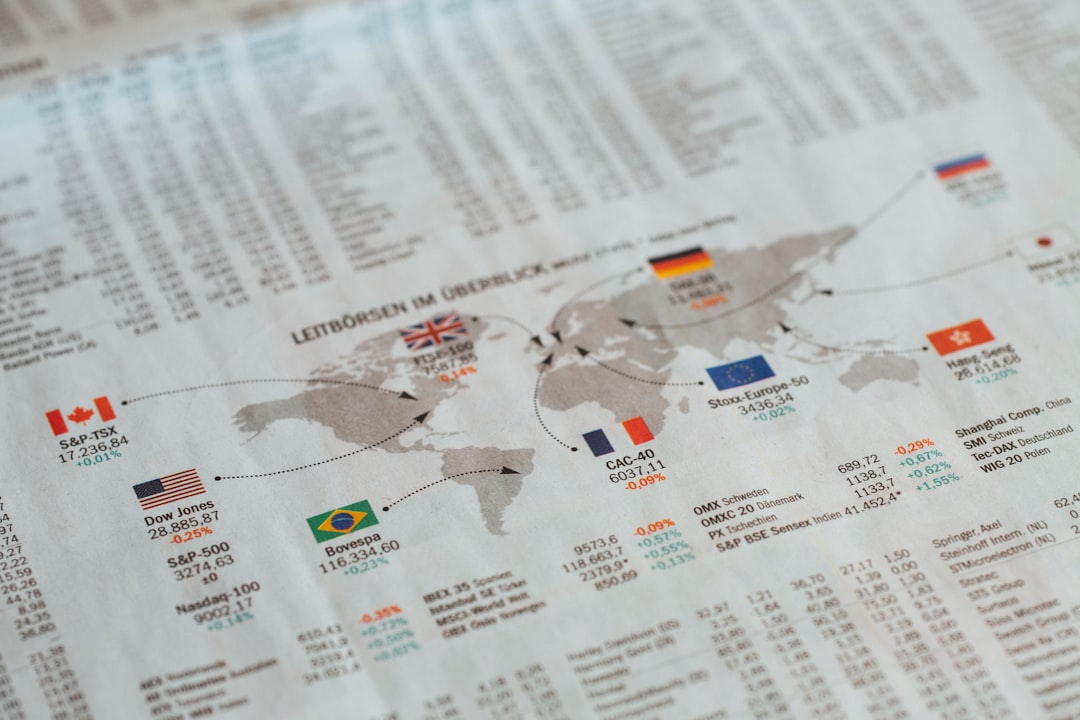
Global markets marked a day of knee-jerk moves as investors recalibrated risk. The S&P 500 slid by roughly 1.1% in afternoon trading, while the Dow Jones Industrial Average lost about 0.8%. The tech-heavy Nasdaq Composite fell more sharply, down around 1.4% as investors rotated away from growth names and toward more defensively positioned assets.

Currencies showed heightened volatility. The U.S. dollar index edged up about 0.4%, reflecting a move toward safety as trade policy remains unsettled. Brent crude prices climbed more than 2% as traders priced in potential disruption to global supply chains and logistics.
Economists warn the market moves may only be the first wave. A prolonged policy tug-of-war could keep volatility elevated through the coming weeks, especially as foreign governments call emergency meetings and re-evaluate procurement strategies.
Global Reactions From Capitals to Corridors of Power
In Paris, President Emmanuel Macron praised the court’s checks and balances but cautioned against triumphalism. “It’s healthy to see democratic systems exercise restraint and balance,” Macron said during a visit to a Paris agricultural fair. “We should welcome that, but we must also watch the exact consequences and be ready to adapt.”
The immediate fear among European manufacturers is the risk of a renewed, broad-based tariff regime that could complicate a fragile bounce in export orders. European officials are studying the ruling’s language to determine how bilateral and multilateral deals with the United States might shift in the near term.
Across the Atlantic, governments in Asia and the Americas moved to assess exposure in a landscape where even allies are rethinking cost structures. A senior official in Seoul called for an emergency meeting to map out domestic impact on autos, ships, and steel, which haven’t all moved in lockstep with U.S. tariff changes in the past year.
Business Voices: Real-World Effects on Supply Chains
In Ciudad Juárez, near the U.S.-Mexico border, business leaders warned that any broad tariff resurgence would complicate already stretched supply chains. Sergio Bermúdez, head of an industrial parks group, said executives are tracking every update and building contingency plans for shifts in import costs and supplier networks.
“Trump tends to speak quickly and often, and not every claim lands in the real world,” Bermúdez said, trying to temper expectations while acknowledging that policy shifts matter for cash flow and pricing. The practical effect, he noted, is that manufacturers must reprice components, re-evaluate vendor terms, and rework logistics to avoid costly delays.
From Mexico to Malaysia, manufacturers are watching cost curves tighten and reconsidering hedges on input prices. A mid-sized auto parts supplier in Monterrey reported that even a modest tariff tweak could push unit costs up by single-digit percentages and ripple through to consumer prices later in the year.
Analysts in Singapore and London warned that the timing of any new tariffs matters as much as the level. If duties drop or expand suddenly, supply chains can shift rapidly, but investment in new capacity often lags policy changes by months or quarters.
What’s Next: Timeline and Possible Scenarios
Any reintroduced 10% tariff would likely take effect after a formal notice period, typically 30 days, giving firms a brief window to adjust procurement plans. Countries with long trade histories with the United States will push for carve-outs, exemptions, or phase-ins to soften short-term costs. Markets are likely to stay skittish until there is clarity on the scope and duration of any tariffs and on legislative or administrative steps. Prices for autos and steel-related goods could rise if duties expand, while some sectors may absorb costs through margins or shifts in sourcing. Lawmakers on both sides of the aisle are already calling for clearer standards on when and how tariffs can be used as a policy tool, reinforcing a shift toward greater oversight.
As officials meet behind closed doors and the next press briefings approach, the world remains vigilant. The sentence world shakes weary head captures the mood: policymakers externalize risk, while business leaders balance the pressure to protect margins with the need to maintain supply-chain resilience.
Bottom Line: A World Still Learning To Live With Tariffs
The court’s ruling narrows the U.S. tariff playbook but does not end the broader policy debate. The next moves will hinge on how quickly the administration can translate legal constraints into a coherent framework that protects national interests without crippling global commerce. Investors should expect continued volatility as officials, companies, and consumers adjust to a world where tariffs are a continuous negotiation rather than a settled fact.
In the language of markets and policy, the drama is far from over. The world shakes weary head as new tariffs loomed and the policy calendar filled with emergency meetings, legal reviews, and stalled but ongoing talks. The coming weeks will reveal whether this moment marks a recalibration or a prelude to a longer, more uncertain trade cycle.

Discussion