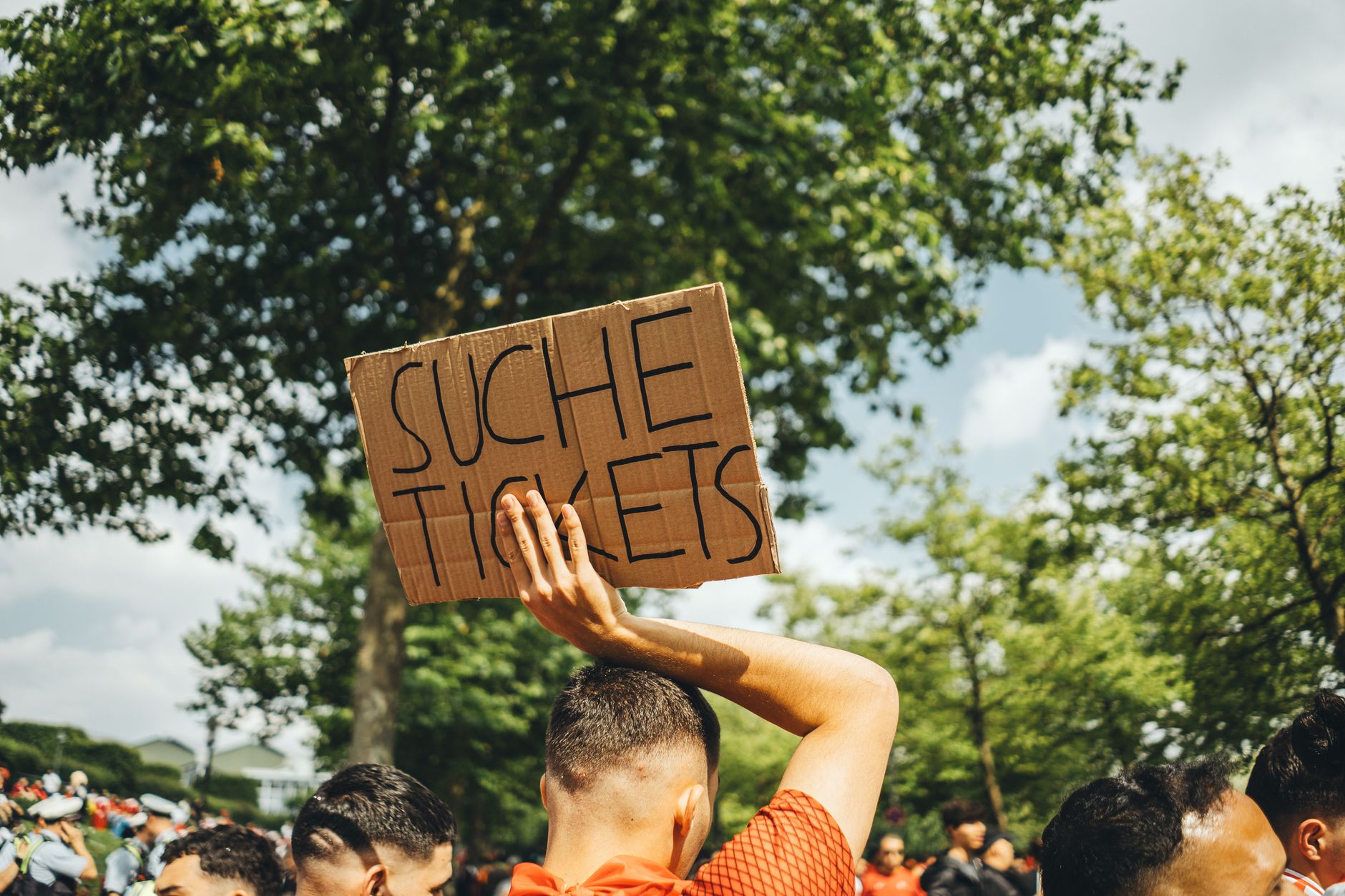
Hook: Why This Guide Matters Now
The chase for World Cup tickets can feel exciting, but it also invites risk. As fans scramble for seats, the market is ripe for fraudsters who pretend to be legitimate sellers. If you’ve ever scrolled through social media or a resale site hoping to snag a deal, you know the pressure to act fast. That urgency is exactly what world ticket scammers targeting fans rely on. This article explains how these scams operate, how to protect yourself, and practical actions you can take today to keep your finances safe.
H2 Understanding the Scam Landscape: How It Breaks Down
Fans are being warned that fake sellers use familiar channels—social media messages, copycat websites, and payment requests outside official checkout systems. The risk isn’t just a phish that leads you to a fake page. Some scammers try to look legitimate and push you to complete payment on off-platform routes that offer little chance of recovering funds.
In practice, you may encounter listings that claim to have rare or high-demand seats, paired with language that creates a sense of scarcity. This pressure can make a questionable offer feel like a last chance. A buyer who believes seats are disappearing might skip verification steps and send money via methods that are hard to reverse, such as Zelle, Venmo, crypto, or other non-reversible options.
Red Flags to Watch For
- Unsolicited messages from strangers who claim to have tickets or know someone who does.
- Listings that push off-platform payments or request crypto or gift-card transfers.
- Copycat or fake-looking websites that imitate official resale platforms.
- Pressure to act now, with limited inventory language that isn’t verifiable.
- Requests for private emails or phone calls instead of a secure, trackable transaction trail.
Industry voices note that even legitimate sellers can face suspicious activity, especially when demand is high. A representative from a popular resale platform recently highlighted how scarcity messaging can lure buyers into unsafe purchases. The combination of urgency, high stakes, and unfamiliar checkout paths creates a perfect storm for scams.
H2 How the Scammers Operate: A Quick Scenario
Imagine you’re browsing a resale site and see a listing that looks legitimate: a photo, a seat section, and a price a little below market rate. The seller messages you with a warm tone and a sense of urgency: “These seats won’t last—act now.” They suggest paying through a quick, off-platform method to speed things up. You’re told you’ll receive the tickets by email or text immediately after payment.
In reality, the payment method bypasses the platform’s protections, and once you send the funds, relief turns into worry. If you try to dispute later, the funds may already be gone or unrecoverable. Some buyers report that the pages look almost identical to legitimate sites, which makes the deception harder to spot at a glance.
Key Insights from the Field
- Genuine seats can be scarce, but reputable platforms still have transparent, trackable processes that protect buyers.
- Copycat sites often copy logos, color schemes, and layout to look real, but subtle differences reveal the deceit (URL, contact pages, or return policies differ).
- Payment stealth tactics—like asking for crypto or bank transfers—are a major warning sign.
H2 Safer Buying Playbook: Steps to Take Before You Pay
Protecting yourself starts with a simple rule: buy through trusted, protected channels. Here is a practical framework you can apply now, especially when the World Cup hype is at its peak.
1) Use Official or Reputable Marketplaces
Start with platforms that offer buyer protection, ticket authenticity guarantees, and clear dispute resolution processes. If you’re eyeing 2026 World Cup tickets, look for listings on major marketplaces with established reputations and visible seller history. Some sites even publish warning banners about limited inventory to help you make informed decisions rather than rushing into unsafe offers.
2) Verify Sellers Thoroughly
Ask for: seller name, a verifiable contact method, and a link to their public feedback history. Cross-check the seller on the platform’s community pages or social profiles. Look for consistency: a seller who has completed multiple verified transactions is less likely to be a scammer.
3) Favor Protected Checkout and Transparent Policies
A protected checkout provides chargeback options and documented receipts. Read the refund and transfer policies before buying. If a seller refuses a secure checkout, that’s a major red flag.
4) Keep Payments in Platform Where Possible
Use payment methods with built-in protections—credit cards, PayPal, or the platform’s own escrow service. If a seller insists on Zelle, Venmo, crypto, or wire transfers, consider it a warning sign and disengage.
5) Watch for Inconsistent Ticket Details
Price, seat location, event date, or ticket type should be consistent with the listing. If a seller asks you to share sensitive personal data or to confirm information via a private chat, proceed with caution.
H2 What to Do If You Suspect a Scam
If something feels off, trust your gut and act quickly to protect your money and data. Here are practical steps to take right away.
- Stop and document: Take screenshots of the listing, messages, and payment requests. Save URLs and timestamps.
- Ask for a protected checkout trail: Request a formal invoice with purchase terms and a transaction ID.
- Contact the payment processor: If you sent funds, contact your bank or card issuer to report fraud and discuss possible reversal options.
- Report and protect others: File a report with the BBB Scam Tracker or your local consumer protection agency. Share details with the platform to help warn other buyers.
H2 The Role of Official Warnings and Real-World Data
Industry watchdogs and consumer protection groups are monitoring ticket scams closely as major events approach. For example, the BBB Scam Tracker has already logged multiple alleged schemes tied to the 2026 FIFA World Cup. While not every case is a full-blown scam, the volume of reports signals a real risk for fans who are simply trying to secure seats.
What This Means for Your Wallet
Beyond losing money, fraudulent purchases can trigger identity exposure and processor complications. Scammers may exploit the anxiety of fans who fear missing out on a once-in-a-lifetime experience. By sticking to trusted channels and keeping records, you protect your finances and your peace of mind.
H2 Real-World Example: A Fan’s Safe Path to a Ticket
Consider a fan, Maya, who wanted two World Cup tickets. She avoided social messages and copycat sites and started on an official resale marketplace with buyer protection. She checked seller feedback, asked for a direct contact within the platform, and insisted on a protected checkout. The seller provided an invoice, and the tickets were delivered through the platform with a verifiable receipt. Maya’s case shows how a calm, methodical approach can beat impulse and prevent loss.
On the flip side, a friend of hers responded to a flashy post on social media promising best-priced seats. The seller demanded payment via a bank transfer and offered no receipts. Within hours, the offer disappeared and the funds were gone. This contrast highlights why a structured buying plan matters when world ticket scammers targeting fans are active.
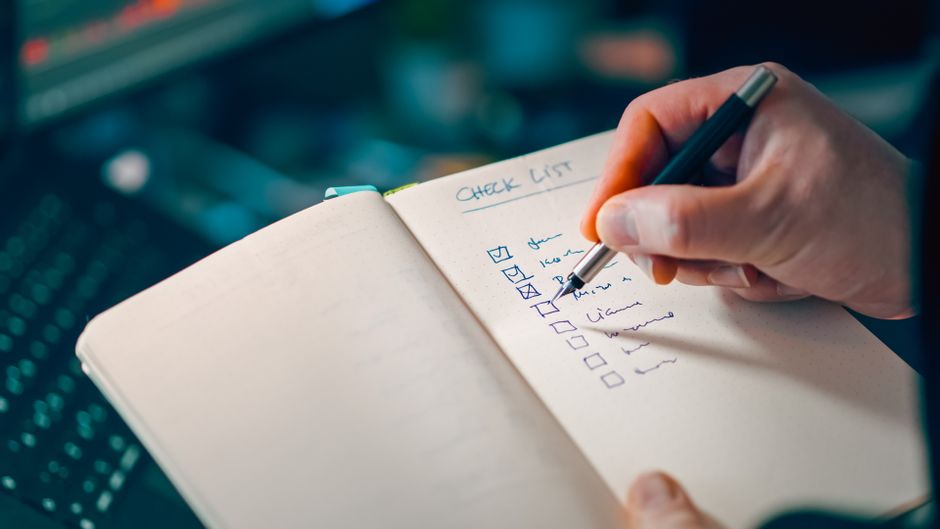
H2 A Practical Pre-Buy Checklist
- Confirm the event, date, and venue explicitly in the listing.
- Use a platform with buyer protection and an escrow option.
- Ask for verifiable seller information and transaction history.
- Never pay via unconventional methods outside the platform.
- Save all receipts and transaction IDs until you’ve received the tickets and verified entry at the venue.
H2 FAQ: Quick Answers to Common Concerns
Q: How can I tell if a World Cup ticket listing is legitimate?
A: Look for a consistent seller history, official marketplace checkout, visible refund policies, and verifiable contact information. If a listing pushes you off-platform or asks for crypto, walk away.
Q: What should I do if I already paid a scammer?
A: Contact your bank or card issuer immediately to file a fraud claim, report to the platform, and monitor your accounts for unusual activity. Time matters when trying to reverse a payment.
Q: Are there true ticket-couriers I can trust?
A: Yes, use established platforms with explicit delivery methods and buyer protection. If a “courier” asks for private payment outside the platform, that’s a sign to disengage.
Q: How can I protect my personal information?
A: Only share essential details through the platform’s secure channels. Avoid giving sensitive information via chat apps or unverified emails.
Conclusion: Stay Calm, Stay Protected, Stay Informed
The market for World Cup tickets will always attract risk, and world ticket scammers targeting fans will keep evolving their tricks. But by sticking to trusted marketplaces, verifying sellers, and using protected checkout, you can significantly lower your chances of becoming a victim. Treat tickets as a two-part decision: first, confirm the event details and price range; second, choose a transaction path that includes receipts, protection, and a clear dispute route. The goal is not to dampen excitement but to empower you with steps that keep your money and your fandom intact.
As the World Cup approaches, remain vigilant. The more cautious you are, the fewer opportunities scammers have to exploit your passion. The right approach turns a potentially risky purchase into a smart, straightforward, and secure experience.


Discussion