
Aramco Delivers 25% Q1 Profit Jump as Pipeline Flows Grow
The world’s largest company reports a 25% jump in first-quarter profit, driven by stronger export flows routed through the East-West Pipeline. Aramco said net income for the quarter ended March 31 rose to about $33 billion, up from roughly $26.4 billion in the same period a year ago. The results come as the company leverages its domestic infrastructure to cushion the impact of ongoing disruptions in the Strait of Hormuz.
Aramco President and CEO Amin H. Nasser attributed the quarterly strength to operational flexibility and disciplined capital allocation. In a prepared statement, he said, the company’s East-West Pipeline is operating at its maximum capacity of 7 million barrels per day, helping to mitigate the effects of a global energy shock and delivering reliability to customers around the world. He added that Aramco remains focused on its strategic priorities despite headwinds from geopolitical tensions.
The profit uptick reinforces the reality that the world’s largest company reports resilience in the face of potential supply disruptions. Before the latest shock to global trade routes, the Hormuz corridor handled a significant portion of maritime energy flows, commodities that underpin heating, transportation, and manufacturing worldwide.
Analysts say the pipeline-based flow shift demonstrates how Saudi Arabia’s domestic infrastructure can supplement traditional routes when chokepoints appear. While the East-West Pipeline cannot fully replace Hormuz capacity, it has added a crucial layer of energy-security and price-stability for customers across Asia, Europe, and the Americas.
"Aramco’s quarterly performance shows how a well-timed logistical strategy can buoy results in an uncertain environment," said Lisa Chen, head of energy research at NorthBridge Capital. "Investors are watching whether this momentum can sustain through a volatile spring and summer energy complex."
How the East-West Pipeline Is Changing the Playbook
The East-West Pipeline runs across Saudi Arabia from eastern oil fields to the Red Sea coast, providing a direct export route that bypasses the vulnerable Strait of Hormuz. In recent months, the pipeline’s throughput has become a focal point for industry observers who worry about global supply chains amid regional conflict and sanctions pressure.
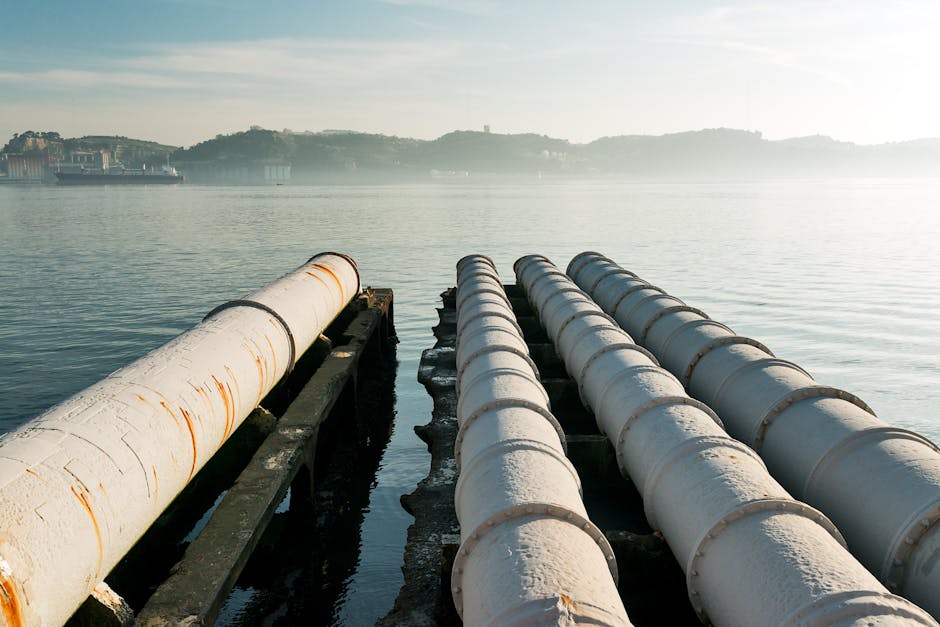
Aramco officials say throughput has approached the system’s official ceiling of 7 million barrels per day, a level that offers meaningful relief to customers facing potential supply interruptions. The company emphasized that the pipeline is a strategic asset for maintaining export volumes, stabilizing pricing, and supporting long-term demand forecasts.
Nevertheless, analysts caution that the pipeline cannot fully compensate for the broader loss of Hormuz capacity. The disruption has historically accounted for roughly one-fifth of daily global oil trade, a share that includes notable shipments of natural gas and other petroleum products. The conflagration over control of the strait has kept energy markets volatile and highlighted the importance of diversified routing for energy exporters and buyers alike.
Global Markets Context and Investor Implications
For the global energy complex, the quarter’s results come at a time of heightened attention to infrastructure-led resilience. The market is weighing the balance between higher operating cash flow from Aramco and the persistent risk that geopolitical tensions could reframe supply dynamics at any moment.
In personal finance terms, households and small investors are watching how these macro forces translate into energy prices, household bills, and dividend expectations. A stronger cash flow profile can support stronger shareholder returns, which in turn can influence retirement and savings strategies for energy-sensitive portfolios.
- Quarter ended March 31 net income: about $33 billion
- Year-over-year growth: approximately 25%
- East-West Pipeline throughput: up to 7 million barrels per day
- Hormuz context: ongoing disruptions with a material impact on global flows
What This Means for You as an Investor and a Consumer
From the perspective of ordinary savers and investors, the latest earnings print reinforces the link between core energy assets and broader financial stability. When a company of this scale demonstrates resilience through infrastructure leverage and disciplined operations, it can affect risk appetites, dividend policies, and long-term energy allocations in retirement portfolios.
For households facing fluctuating energy costs, Aramco’s ability to sustain export volumes through alternative routes may help dampen price spikes that could otherwise ripple through gasoline, heating, and electricity bills. However, the persistent risk around Hormuz remains a wild card; any renewed escalation could reintroduce volatility to commodities and related equities.
The world’s largest company reports in a way that is likely to shape market expectations for the remainder of the year. In practice, investors will be assessing how Aramco’s cash generation translates into capex plans, dividend flows, and the pace of expansions across downstream and midstream assets. The trajectory also informs how energy companies in Asia and Europe adjust their procurement and hedging strategies to manage price risk more effectively.
Looking ahead, analysts say the critical questions are whether the East-West Pipeline can sustain its current throughput and how the company balances capital returns with ongoing investments in exploration and technology. If the company can maintain profitability while expanding capacity and maintaining a robust dividend, the impact on the world’s largest company reports narrative could be enduring for financial markets and household budgets alike.
Bottom line: the current earnings reveal a resilient energy giant adapting to a disrupted trade corridor. As the world’s largest company reports results in this environment, both professional and individual investors should monitor not only quarterly numbers but also the policy shifts and infrastructure developments that drive longer-term value in energy-heavy portfolios.


Discussion