Home-Field Stakes Drive a Multiyear Jersey Drive
The 2026 World Cup, co-hosted by the United States, Canada, and Mexico, is shaping up as a turning point for both brands and fans. As kickoff nears, U.S. Soccer and Nike stress a years jersey design initiative that has unfolded across six years of planning, four years of manufacturing prep, and a four-week window on the world stage. The goal is simple in theory and complex in execution: turn a kit into a measurable edge for players and a solid revenue engine for the federation.
Executives say the on-pitch advantage starts with people, not just fabric. Dan Helfrich, chief operating officer of the U.S. Soccer Federation, described the process as deeply collaborative, with players guiding the look and the feel of the shirt. "We put the players at the center of this journey," Helfrich said at a recent industry gathering. "There were two years of focus groups and design sessions with Nike designers and our players to shape both the aesthetics and the performance cues."
Behind the Stitches: A Years Jersey Design Journey
The collaboration spans more than how a jersey looks. It covers supply chains, manufacturing methods, and the delicate balance of performance fabric and fan-friendly branding. Executives note that the players themselves have weighed in on fit, mobility, and comfort, aiming to reduce distractions on game day. One star forward who will anchor the lineup reportedly praised the kit for its combination of style and practicality, singling out its feel during quick transitions and sharp cuts on the field.
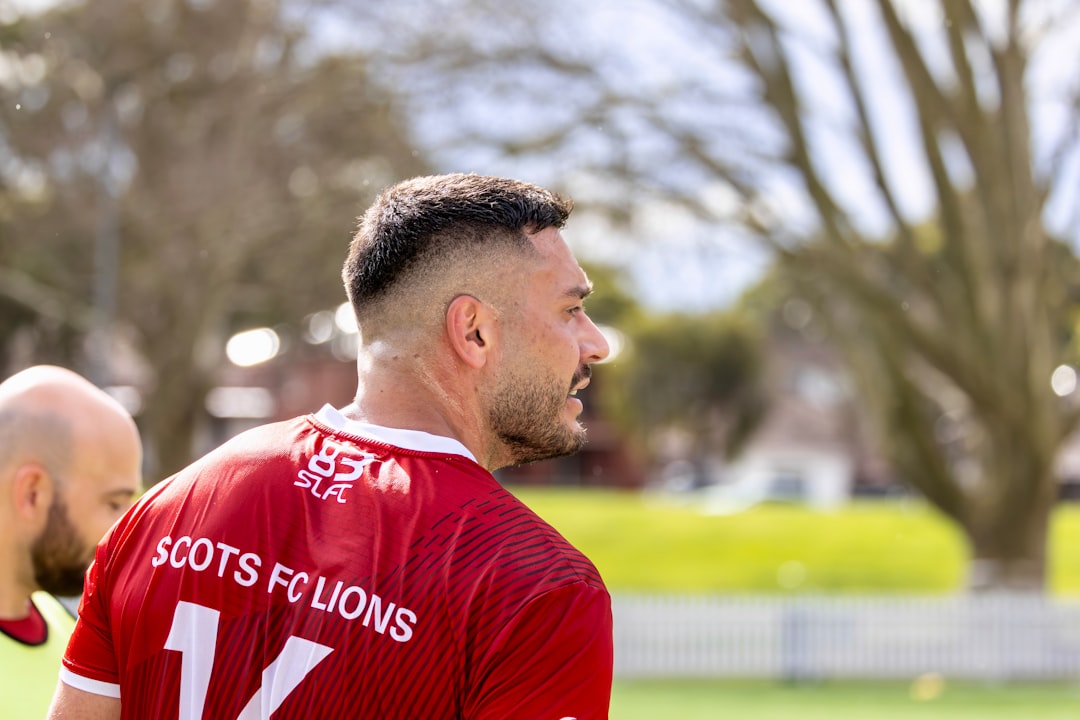
U.S. Soccer emphasizes that the kit’s impact goes beyond the uniform. The federation believes the apparel can influence energy in the locker room, boost sponsor alignment, and lift merchandise revenue during a home-hosted tournament. In a market where margins on the field are tight, any edge—whether tactical or branding—has potential to move the dial on short-term returns and long-term fan engagement.
Nike’s Global Playbook: Four Years To Four Weeks
Nike runs a global program that outfits 18 national teams, including the United States and other football powerhouses. The company frames the World Cup window as a four-year build for four weeks of competition, a cycle meant to leave a lasting impression well after the final whistle. Nike executive vice president and chief operating officer Venkatesh Alagirisamy framed the effort as an investment in both performance and reputation. "It takes four years of preparation to execute four weeks of World Cup games and leave a lasting impression for the next four years," he said at a Fortune event.
The scale of the project is evident in the cross-border logistics, supplier coordination, and athlete input that go into a single kit. For Nike, the challenge is not just meeting a deadline; it’s ensuring the jersey can support elite training, travel demands, and the media spotlight that comes with a home tournament in a country passionate about the sport.
Ticket Tensions, Hotel Bookings, and the Fan Wallet
Beyond the stitching room, the tournament’s economic ripples grip fans and local economies alike. Officials and analysts note that ticket prices for marquee matches have surged, and hotel reservations in host cities have been uneven, complicating travel planning for many supporters. The energy around a home World Cup typically translates into higher merchandise spending, increased sponsorship value, and a broader impact on local businesses near venues.
From the price of admission to the cost of official gear, the fiscal footprint for fans can be substantial. Analysts point to a surge in premium seating and hospitality packages, while everyday consumers weigh the value of official kits against other summer entertainment options. In this environment, the years jersey design effort becomes a symbol of a broader investment that fans are asked to make—support for the team, pride in a national program, and a chance to own a piece of history.
The convergence of performance apparel design and the economics of a host World Cup creates a few clear takeaways for everyday fans and household budgets. First, the jersey itself is a focal point for branding and merchandising that can carry strength for years beyond the tournament. Second, the scale of the event makes ticketing and travel decisions more consequential, nudging households to plan earlier and prioritize which games to attend. Third, team sponsorships and media rights tied to a successful home campaign can lift ancillary revenue streams that help fund grassroots programs and youth development.
For families balancing cost and enthusiasm, the practical questions line up with the design story: how much will a replica or authentic kit cost, and how does that fit into a summer of activities? The kit is positioned as a long-term asset for fans and the federation alike—part performance tool, part collector piece, with a potential home-field halo that can echo for several seasons.
Looking forward, the years jersey design initiative is expected to influence more than one season of branding efforts. Beyond the World Cup, Nike and U.S. Soccer are likely to lean on this success in broader marketing campaigns that connect to youth programs and community outreach. The alignment of player feedback, production rigor, and consumer demand will be tested as the team navigates a demanding calendar and a highly-competitive sponsorship landscape.
Analysts say the true measure will be whether the kit becomes part of a broader narrative—one that translates into tangible returns for the federation and tangible pride for fans. If the years jersey design program achieves its dual aims of performance advantage and financial upside, it could serve as a blueprint for future home-hosted events where branding and apparel become more than just a uniform.

Discussion