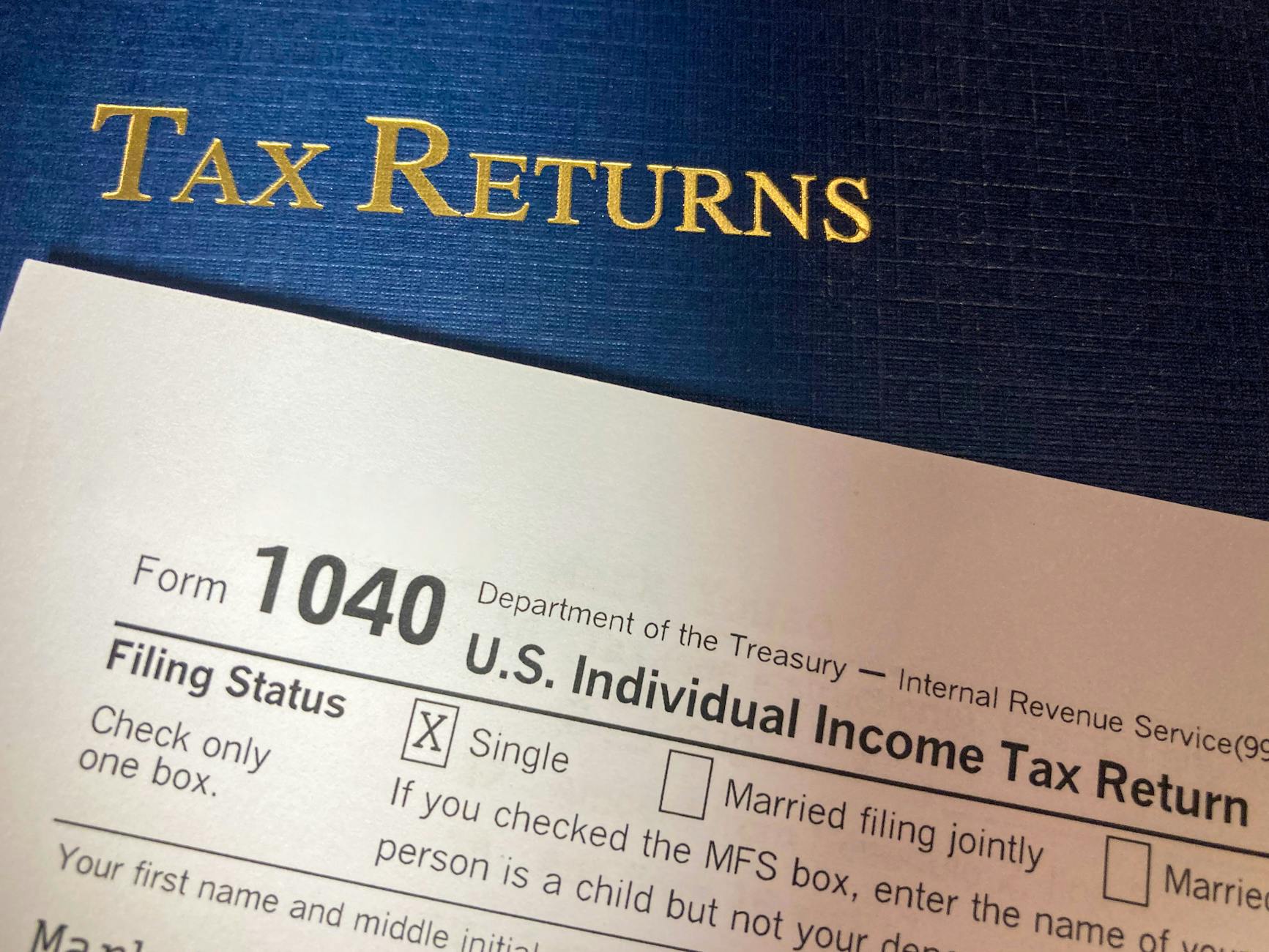
Smart Start: Why Free Filing Makes Sense in 2026
Filing your taxes should help you, not break the bank. In 2026, there are plenty of reliable paths to file federal and many state returns at $0 cost. This guide breaks down the best free filing options, who qualifies, and how to avoid common mistakes. Whether you have a simple W-2 job or you’re juggling credits and deductions, you can file accurately without paying high software or preparer fees.
Your Free Filing Roadmap for 2026
Think of this as your one-page map to free filing. Each option below has its own strengths, so you can pick the path that fits your tax situation, income, and credits. The core idea is simple: you want a no-cost federal return, and many programs also cover state returns at no extra charge.
Option A: IRS Free File Program
The IRS Free File program partners with private tax software providers to offer free federal filing for many filers. This path is especially popular for people who have simple returns, such as W-2 income with straightforward credits. Important notes:
- Eligibility usually depends on income and filing situation. Providers set the exact limits, and they can change each year.
- Federal return is free through participating software. State returns may be free or may carry a separate fee depending on the provider and the state.
- Direct deposit speeds up refunds, and e-filing helps you avoid late fees if you file on time.
How it works in practice:
- Visit the IRS Free File page and review the current provider list.
- Choose a provider that matches your situation (e.g., W-2 only, credits like Earned Income Credit, etc.).
- Collect your W-2s, 1099s, and any documents for credits (child tax credit, education credits, etc.).
- Complete the federal return using the provider’s software. If your state is included, you’ll file that too, often at no extra cost.
- File and set up direct deposit for the refund if you’re eligible.
Option B: Volunteer Income Tax Assistance (VITA) and Tax Counseling for the Elderly (TCE)
VITA and TCE programs provide free help from certified volunteers. This path shines for people with lower incomes, limited English proficiency, or complicated tax situations. Key points:
- VITA is usually available to households earning roughly under $60,000 per year, though income limits vary by year and location.
- TCE focuses on older adults, but many sites also assist with standard returns.
- Services include help preparing and filing both federal and state returns.
Option C: Free File Options From Major Tax Software Vendors
In many years, major software brands offer a free tier for simple returns. This can be a convenient option if you want a familiar interface and guided questions. Highlights:
- Free federal filing for straightforward returns; state filing may be free or require a separate fee depending on the provider.
- Some providers charge for certain forms or add-ons (like self-employment, investment income, or state returns).
- Always confirm the exact terms for the year you’re filing—pricing and eligibility can shift from year to year.
Option D: State-Specific Free Filing Programs
Some states offer free filing options or partnerships with software providers for residents. These programs can cover state returns or both federal and state returns at no cost. What to know:
- State programs vary widely—some cover all residents, others target those with low to moderate incomes.
- Some states require you to use a specific provider to access free filing for state taxes.
- Always check the state department of revenue website or trusted local resources for current details.
Choosing the Right Free Path: A Simple Decision Guide
Not sure which option fits you best? Use this quick decision guide to pick the path that matches your tax situation. You’ll save time and reduce the risk of paying for services you don’t need.
- Do you have a simple tax return (W-2 income, standard deduction, no self-employment)? If yes, IRS Free File or a major vendor’s free tier is often ideal.
- Are you claiming credits like EITC or the Child Tax Credit? Some programs include these credits, but not all free paths cover everything. Check eligibility for credits on the provider site.
- Do you need to file a state return? If yes, confirm whether the free option includes state filing or if there’s an extra charge.
- Are you self-employed or have complex investments? Free options are more likely to be enough for simple returns; you may need paid options or professional help for complex situations.
Real-Life Scenario: Free Filing in Action
Let’s look at a typical case. Maria, a 32-year-old employee, earned about $52,000 in W-2 wages in 2025. She used the IRS Free File option through a participating software provider. Her federal filing was $0 in software fees, and her state return was included at no extra cost. After credits (for example, the Child Tax Credit if applicable) and a direct deposit refund, Maria received roughly a $1,400 federal refund and a similar state refund, all without paying for filing services.
What made this work? Maria was careful to gather her W-2(s), any 1099s, and documents for credits before she started, and she chose a provider that offers free federal filing and free state filing for her income level. The direct deposit choice also helped speed things up.
Common Mistakes to Dodge (and How to Fix Them)
Avoiding common filing mistakes can save you time and money. Here are the top missteps and how to prevent them:
- Missing or incorrect Social Security numbers on you or your dependents.
- Incorrect W-2 or 1099 amounts due to data entry errors. Always double-check the numbers from your documents.
- Forgetting credits you qualify for (EITC, Child Tax Credit, education credits). Review eligibility before filing.
- Not filing on time or missing the deadline. Set reminders and file early if possible.
- Assuming all free options cover all state filings. Confirm state coverage before filing.
Pre-Filing Prep: Your Quick Checklist
- W-2s from all employers for the year.
- 1099s for additional income (interest, dividends, freelance work, or other income).
- Documentation for deductions and credits you may claim (education costs, child care receipts, charitable contributions).
- Social Security numbers for you, your spouse, and any dependents.
- Last year’s tax return to help with carryover information (like AGI for e-filing authentication).
- Bank account and routing numbers for direct deposit or direct debit if you owe taxes.
FAQ for Free Filing in 2026
Q: What counts as free filing in 2026?
A: Free filing includes IRS Free File options for federal returns and many state filing options. Some providers also offer free federal and free state returns for simple situations. Always verify current eligibility on the provider’s site before starting.
Q: Do I still have to pay for state taxes if I file federal for free?
A: It depends on the program. Several Free File options cover both federal and state returns at no cost, but some may charge for state filings or certain forms. Check the details before you begin.
Q: What documents should I have on hand?
A: W-2s, 1099s, records of other income, receipts or statements for credits you claim, and your last year’s AGI for e-filing verification. Have any relevant education, childcare, or mortgage documents handy as well.
Q: Can I get a refund quickly if I file for free?
A: Yes, if you choose direct deposit and file early. Refund speeds depend on processing times and whether there are any errors. E-filing with direct deposit is typically the fastest path.
Conclusion: Your Free Filing Advantage in 2026
Taxes don’t have to be pricey. With a little preparation and the right free filing option, you can file confidently, maximize credits, and get your refund sooner. In 2026, you have several trusted avenues to file for free—IRS Free File, VITA/TCE programs, and major software providers’ free tiers—plus state-specific free options in many places. The key is to start early, verify eligibility, and choose the path that best fits your income, credits, and state requirements.
For most taxpayers, free filing is not only possible but also straightforward when you follow a simple plan. Don’t let high filing costs erode your refund. Take advantage of free resources, stay organized, and file with confidence.
Take Action Now: Start Free Filing Today
Ready to file without the fees? Visit the IRS Free File page to explore providers and eligibility, or check your state’s free filing options. If you have a straightforward return, you’ll likely find a no-cost federal option and a free state filing path. Gather your documents, choose a trusted provider, and file early to beat the rush.
IRS Free File is a great starting point, and many reputable providers maintain updated free tiers for 2026. For those who need personal help, consider a VITA/TCE site or a trusted local tax professional who offers a free initial consultation to assess your options.


Discussion