Hooking Your Attention: Do Tariffs Really Strengthen The Economy?
When politicians talk about tariffs, the promise is simple: protect workers, boost domestic production, and strengthen the economy. Yet the data that independent economists collect over years of trade policy tells a different story. Tariffs strengthen the rhetoric of protection but rarely strengthen the economy in a broad, lasting way. In fact, they often raise prices for everyday essentials and stall long-term growth by raising costs for businesses and consumers alike.
Think of tariffs as a game of tug-of-war between intentions and outcomes. The intention is clear: shield domestic jobs and push back against foreign competition. The outcome, however, hinges on a web of factors—where the tariff applies, how other countries respond, and how firms adjust their supply chains. As a veteran financial writer who has covered tax policy, consumer prices, and corporate strategy for more than a decade, I’ve watched the evidence accumulate: tariffs strengthening economy is a narrative that sounds good in theory but often falters in practice.
Understanding The Tariffs Debate
To understand why tariffs often fail to strengthen the economy, it helps to distinguish between short-term political gains and long-term economic health. Tariffs are taxes on imports. That means they raise the cost of goods that cross borders. If a country imports a large share of its consumer goods, tariffs can push up prices for households. If a business relies on imported inputs—like steel, aluminum, or semiconductors—tariffs raise input costs, squeezing profits or forcing higher prices for customers.
Proponents argue that tariffs can be strategic: they protect jobs in targeted industries, encourage companies to invest domestically, and pressure foreign governments to change unfair practices. Critics counter that most benefits stay concentrated in a few sectors while the rest of the economy bears the costs. The bottom line: tariffs strengthening economy is not a universal outcome, and the distribution of costs and benefits often skews toward a smaller group of beneficiaries while the broader economy bears the weight.
What Tariffs Do To Prices And People
One of the most consistent effects of tariffs is higher prices for goods and inputs. When a tariff is imposed, the immediate impact is felt as higher import prices. Many firms respond by passing a portion of those costs to consumers, raising the price of everyday items like electronics, clothing, and furniture. For manufacturers that rely on imported inputs—steel, aluminum, chemicals, and components—the cost pressure can squeeze margins or drive up prices for finished products such as cars, appliances, and machinery.

To illustrate, consider a hypothetical US auto supplier that imports a key component from abroad. If a tariff pushes the component cost higher, the supplier must decide between raising the price of the final product or absorbing the cost, which reduces profits. If every supplier in the chain faces higher input costs, the price of finished goods can rise across the board. That effect ripples through households and the broader economy, dampening real household income growth and slowing consumer spending—one of the main engines of economic expansion.
Tariffs also influence inflation broadly. When the price of imported goods edges up, the consumer price index (CPI) can rise modestly, and in some months the impact is more visible in specific categories such as electronics, toys, or building materials. In practice, the overall effect on inflation tends to be smaller than the tariff rate itself because firms may replace imports with domestic suppliers, adjust product mix, or absorb some costs in the short run. Still, the net effect is a higher cost of living for households, particularly for lower- and middle-income families that spend a larger share of income on tariff-exposed goods.
Tariffs And Jobs: Who Benefits, Who Loses
A frequent argument in favor of tariffs is that they save jobs in protected sectors. It makes intuitive sense: if imports are more expensive, domestic production appears more competitive, which should support employment. In practice, however, the job gains in protected industries usually come with job losses in other sectors. When a tariff raises costs for manufacturers, firms may delay hiring, cut back on capital investment, or relocate parts of their supply chain to countries with lower costs. The net effect is often a slower pace of job creation, particularly in non-protected sectors that rely on imported inputs or export-oriented markets.
What does this mean for workers? The benefits are often concentrated among a relatively small group—corporate executives, certain unionized workers in affected industries, and suppliers that enjoy tariff-protected demand. The costs, meanwhile, show up as higher prices for consumers and slower growth in sectors that rely on global competition, such as technology, heavier manufacturing, and agriculture that relies on foreign markets for parts and export opportunities. This makes wage growth uneven and can drag on overall economic prosperity for households that aren’t directly shielded by a tariff policy.
Case Studies: Steel Tariffs And The US-China Trade War
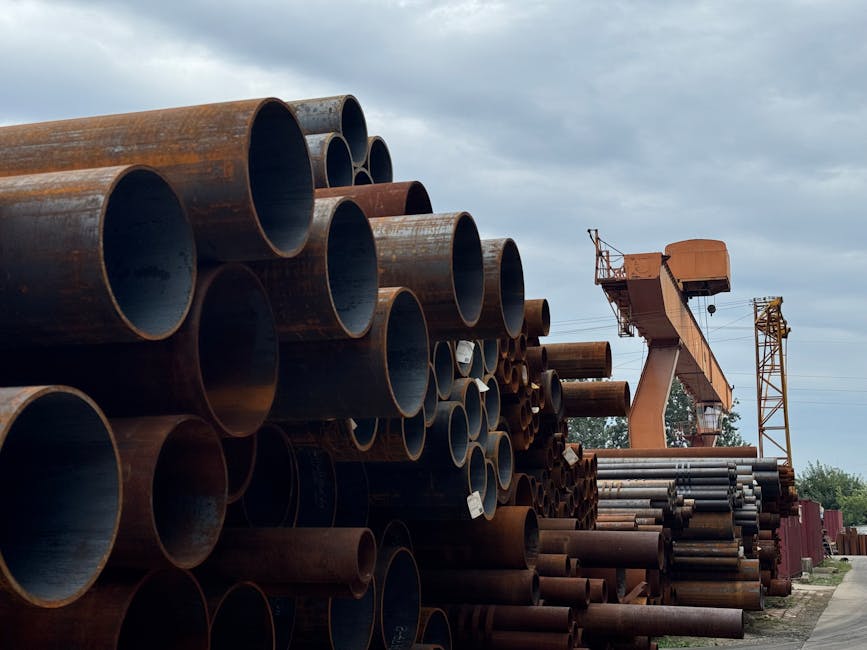
The late 2010s saw two high-profile packages of tariffs that spurred heavy debate: broad steel and aluminum tariffs and the broader US-China trade conflict. The steel tariffs, set at 25 percent on many imported steel products and a 10 percent tariff on aluminum, were intended to boost domestic production and protect jobs in steel-intensive industries. The immediate effect was a spike in steel prices, which fed into the cost structure of automakers, construction firms, and equipment manufacturers. In the short term, some domestic steel mills saw utilization rise and jobs stabilized in specific plants. In the longer run, several manufacturers faced higher production costs and, in some cases, sought relief through price adjustments or supplier diversification.
The broader US-China trade tensions introduced a more complex web of tariffs across hundreds of billions of dollars of goods. Consumers faced higher prices for electronics, apparel, and household goods, while exporters in agriculture and manufacturing faced retaliation that limited access to key markets. Many economists observed a drag on business confidence and investment as firms prepared for uncertain trade conditions. The net effect was a slower pace of growth in manufacturing sectors most exposed to tariffs, with some gains in domestic investment in areas like automation and supply-chain resilience—but not enough to offset the broader costs to households and the wider economy.
Rethinking Policy Tools: What Actually Boosts Growth?
If tariffs strengthening economy is the goal, what policy levers tend to work better for the long run? Economists point to a mix of productivity-enhancing investments, smarter trade policies, and targeted support for workers to weather transitional costs. Here are several approaches that more reliably support durable growth:
- Investing in infrastructure and transportation networks to reduce logistics costs and improve supply-chain efficiency.
- Boosting workforce skills through training programs, apprenticeships, and STEM education to increase productivity and paychecks without relying on import constraints.
- Strategic government support for research and development, particularly in high-value sectors like advanced manufacturing, clean energy, and digital technologies.
- Trade adjustment assistance for workers and communities affected by changes in trade policy to ease the transition and maintain social stability.
- Targeted, transparent use of policy tools that address specific unfair practices without broad-based price increases for consumers.
When policymakers lean on tariffs as a universal solution, they often miss out on the bigger picture: sustainable growth comes from improving domestic productivity, not simply raising the price of imports. A wiser approach is to pair any protective measures with strong investment in the very channels that foster long-term prosperity—education, infrastructure, and innovation.
Practical Advice For Consumers And Investors
Whether you’re a family budgeting for groceries or a business leader planning for the next year, the following practical steps can help shield against tariff-driven volatility without stalling growth:
- For households: Build a modest emergency fund (at least three to six months of essential expenses). If tariffs push up prices on certain items, you’ll have a buffer and time to adjust your shopping list or seek alternatives.
- For shoppers: Compare the total cost of ownership—price plus shipping plus any tariff-related surcharges—before buying imported goods. Look for domestic substitutes where feasible.
- For small businesses: Diversify suppliers and consider dual sourcing in regions with different tariff exposure. Build inventory buffers for high-demand, tariff-affected components to prevent production stoppages.
- For manufacturers: Invest in automation and process improvements to reduce reliance on high-cost inputs. Consider reshoring or nearshoring parts of the supply chain to mitigate tariff risk.
- For investors: Favor sectors with resilient demand, pricing power, and flexible supply chains. Energy, technology, and healthcare firms with robust domestic operations often weather tariff cycles better than highly import-reliant manufacturers.
What To Watch Next: Staying Informed And Prepared
Tariffs and trade policy are dynamic. A change in administration, a new negotiation framework, or a shift in global markets can transform the landscape quickly. Staying informed means looking beyond headlines and focusing on three things:
- Tariff scope and rates: Which goods are affected and by how much? This helps forecast price pressures on households and input costs for businesses.
- Retaliation risk: How might trading partners respond? Retaliatory tariffs can shift the burden back and forth across industries, affecting export markets.
- Policy certainty: Long, winding negotiations create planning uncertainty. Companies that can hedge against this risk tend to perform better than those facing constant regulatory surprises.
Conclusion: A Cautious View Of Tariffs Strengthening The Economy
The idea that tariffs strengthening economy is appealing in theory, particularly in times of political pressure or economic anxiety. However, real-world experience and careful analysis consistently show a more nuanced picture. Tariffs tend to raise costs for consumers and many businesses, distort pricing signals, and complicate supply chains. A healthier path to sustained economic growth lies in investing in productivity, education, and innovation while using targeted, transparent policies to address unfair practices or national security concerns. In short, tariffs can offer short-term leverage in a negotiation, but they rarely produce broad, lasting gains for the economy as a whole.
FAQ
Q1: Do tariffs strengthen the economy?
A1: Not in most broad measures of economic health. While they can help a small set of domestic producers, they typically raise prices for consumers and increase costs for manufacturers, which lowers overall economic activity and reduces real wages for many households.
Q2: How do tariffs affect everyday prices?
A2: Tariffs raise import costs, and many firms pass part of those costs to consumers. The result is modest price increases for some everyday goods, especially those that rely heavily on imported components or finished products from abroad.
Q3: Are there times when tariffs make sense?
A3: There are scenarios where tariffs are used as a negotiation tool or for protection of national security. In those cases they are typically narrow in scope and paired with plans to mitigate harm to households and workers. Broad tariffs across many sectors tend to backfire economically.
Q4: What policies are more effective for long-term growth?
A4: Investments in infrastructure, workforce training, and R&D; smarter, targeted trade policies; and support for workers transitioning between industries. These measures generally produce durable gains in productivity and wages.


Discussion