Market Context: Two Titans, Two Paths
Two healthcare titans reported solid first-quarter results in 2026, but the market response highlighted a widening perception gap. Abbott Laboratories and Pfizer both beat consensus estimates, yet investors rotated away from Abbott while keeping Pfizer on a relatively steady course. At stake is a broader question for value-focused investors: abbott labs pfizer: which stock offers a clearer path to durable upside amid a shifting policy and inflation backdrop?
The broader market backdrop remains fragile for traditional healthcare multiples as macro uncertainty and currency dynamics weigh on earnings translations. Investors are scrutinizing growth engines—Abbott’s devices and diagnostics versus Pfizer’s oncology and portfolio drugs—and how each company will navigate price pressure, patent cliffs, and pipeline execution in a world where innovation cycles move faster than policy changes.
Abbott Q1 2026: Devices Dominate, Diagnostics Expand
Abbott reported first-quarter revenue of about $11.16 billion, with Medical Devices growing around 13% to roughly $5.54 billion. The standout product line FreeStyle Libre generated $2.08 billion in revenue, up about 14% from a year ago, underscoring the staying power of continuous glucose monitoring in diabetes care. Nutrition sales declined in the quarter, reflecting a more challenging consumer backdrop and competitive dynamics.
On the diagnostics front, Abbott closed a deal announced earlier in the year with Exact Sciences, expanding the company’s diagnostic franchiser and pipeline. The strategic move positions Abbott to leverage an integrated portfolio that combines devices with high-margin diagnostics, potentially driving cross-selling in the long run. Company executives framed the quarter as aligned with strategic plans and setting up for the year ahead.
Pfizer Q1 2026: Oncology Focus, But COVID Headwinds Persist
Pfizer’s Q1 performance came in stronger on core products, with revenue around $14.45 billion. Oncology advanced 9% to roughly $3.83 billion, supported by growth in antibody-drug conjugates and supportive cancer therapies. Padcev, a key oncology asset, jumped more than 30% year over year, signaling continued demand in bladder cancer indications. Eliquis, Pfizer’s blockbuster anticoagulant, grew about 13% as cardiovascular and metabolic risk profiles remained favorable in patient populations with high chronic disease burdens.
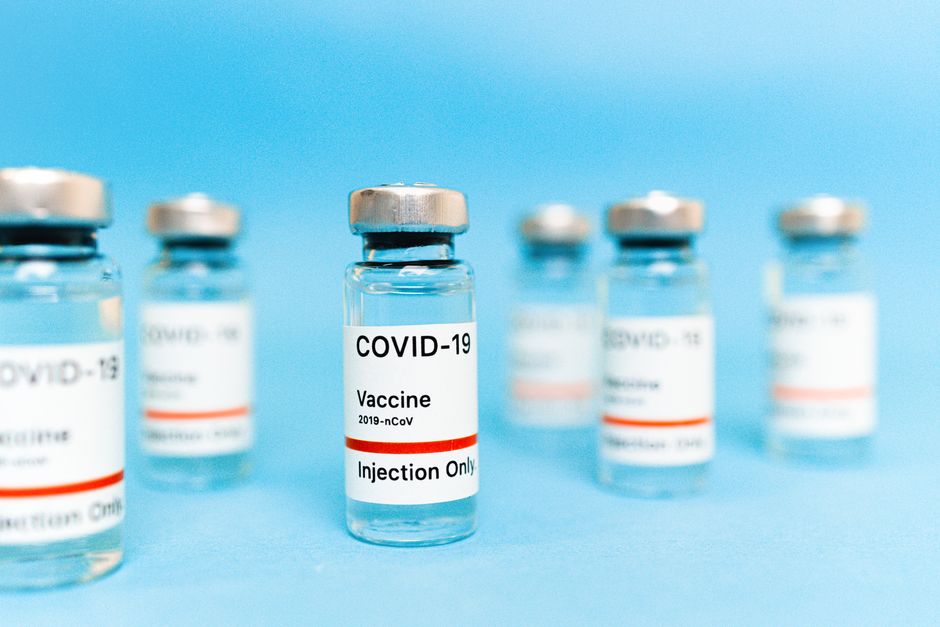
Meanwhile, the COVID-19 product line continued to erode as traditional revenue streams declined sharply; Comirnaty fell roughly 59% and Paxlovid down around 62% versus the prior year. Management framed 2026 as a defining period, leaning into late-stage oncology programs and obesity therapies to offset the ongoing friction in the COVID-era revenue base.
Valuation Snapshot: What Traders Are Pricing In
From a market-valuation angle, the two groups are trading at markedly different multiples. Abbott is trading at a forward multiple near the mid-teens, with a target price around the low-to-mid $100s. Pfizer, by contrast, sits closer to single-digit forward earnings and trades at a fraction of the multiple assigned to Abbott, reflecting a higher reliance on a smaller, near-term growth runway and ongoing pressures on legacy COVID assets.
Analysts note the divergence isn’t just about current earnings; it’s about the stability and visibility of long-term streams. For Abbott, the device and diagnostics mix offers an expanding margin profile, but dilution risk linked to the Exact Sciences integration could temper near-term earnings per share. For Pfizer, the PEG ratio remains elevated due to a pipeline that is broad but uneven in execution timing, even as cash flow supports a generous dividend and ongoing buyback considerations.
Key Data Points At A Glance
- Abbott Q1 revenue: about $11.16 billion; Medical Devices: +13% to $5.54 billion
- FreeStyle Libre revenue: $2.08 billion; growth around 14%
- Abbott Diagnostics deal: Exact Sciences portfolio integration closes in early 2026
- Pfizer Q1 revenue: about $14.45 billion; Oncology: +9% to $3.83 billion
- Pfizer Padcev: growth above 30% year over year; Eliquis: +13%
- COVID assets: Comirnaty and Paxlovid down 59% and 62%, respectively
- Valuation: Abbott forward ~17x earnings; Pfizer forward ~8x
- Dividend posture: Abbott’s long history of dividend hikes; Pfizer yields >7%
Analysts Weigh In: abbott labs pfizer: which Is The Bigger Value Trap?
With a wide gap in growth visibility, market observers are asking abbott labs pfizer: which is the bigger value trap in today’s environment. Some say Abbott’s diversified device-and-diagnostics play offers longer-term structural upside, supported by a growing chronic-disease management tailwind and a cross-sell framework that could lift capital efficiency. Other voices warn that the Exact Sciences dilution and foreign-exchange headwinds could limit near-term upside, tempering the stock’s multiple advantage.
“Abbott’s device and diagnostics platform has durable demand, but investors will be watching how the integration with Exact Sciences translates into incremental margins and top-line leverage,” said a senior equity analyst at MarketPulse. “If the synergy ramp slows or FX turns unfavorable, the stock’s premium multiple could contract in the second half of 2026.”
“Pfizer remains a cash-generating machine in the near term, especially with Eliquis and oncology franchises, but the longer-term valuation hinges on pipeline success and the M&A/Tariff pricing environment,” noted another analyst at State Street Research. “The yield is compelling, but investors should remain mindful of patent cliffs and pricing pressures around older assets.”
As both groups navigate the next wave of catalysts, the focus shifts to pipelines, regulatory approvals, and market access dynamics. Abbott’s ability to convert diagnostic expansion into recurring revenue will be tested, along with the company’s capacity to manage dilution from strategic acquisitions without offsetting it with margin gains.
Pfizer faces the other side of the coin: a robust cash flow engine that can fuel buybacks and ongoing R&D investments, but with the risk of elongated development timelines and potential competition in key oncology niches. If key candidates in late-stage trials clear regulatory hurdles and demonstrate meaningful patient outcomes, Pfizer could justify a higher multiple relative to current levels. The inverse is also true: a setback in a high-stakes program could erode confidence and compress multiples further.
Beyond quarterly numbers, investors are assessing management’s execution discipline and capital allocation choices. Some see disciplined cost control and a disciplined approach to portfolio optimization as meaningful offsets to competitive risks. Others watch for how quickly Abbott can translate diagnostic acquisitions into higher-margin growth and whether Pfizer can maintain its cash-return model in a world of uncertain pricing and patent exposures.
In this environment, the central question remains: abbott labs pfizer: which company offers a clearer trajectory toward sustainable value? For long-only investors focused on durable free cash flow, Abbott’s device-led resilience and diagnostic expansion offer a defensible, albeit slower, path. For income-focused traders, Pfizer’s dividend yield and cash-generative profile provide immediate appeal, provided the pipeline’s execution stays on track.
The Q1 2026 readings show Abbott and Pfizer marching along different roadmaps toward the same destination: creating value in a mid-cycle to late-cycle healthcare environment. Abbott’s mix of medical devices and diagnostics carries the potential for expanding margins and recurring revenue, even as investors weigh the impact of assimilation risk from big acquisitions. Pfizer’s strength rests in a robust cash-flow engine centered on blockbuster drugs and a growing oncology portfolio, yet it must contend with patent dynamics and competitive pricing pressures that could trim longer-term upside.
For now, the market’s verdict on abbott labs pfizer: which should be read as a nuanced judgment rather than a binary call. Abbott’s discount versus its historical multiple invites upside if the Exact Sciences integration proves synergistic and FX remains manageable. Pfizer’s yield is attractive, but the stock’s path may hinge on the timing and success of late-stage bets and the ability to sustain earnings growth without relying on COVID-era products.
Bottom Line: Which Path Will Prove More Durable?
Investors facing today’s market realities should consider not just the headline numbers, but the quality and durability of each business model. Abbott’s balance of devices, diagnostics, and ongoing cost discipline offers a tangible, though slower, growth arc. Pfizer’s cash flow certainty and high yield provide visible income upside, yet require careful attention to pipeline milestones and pricing environments.
As markets continue to price in a higher bar for growth in healthcare, the central debate—abbott labs pfizer: which—will likely remain a data-driven one. The next few quarters should reveal whether Abbott’s cross-segment ramp and Exact Sciences integration deliver the margin uplift investors crave, or if Pfizer’s dividend-led resilience can outpace any headwinds from its aging COVID-era portfolio.
Discussion