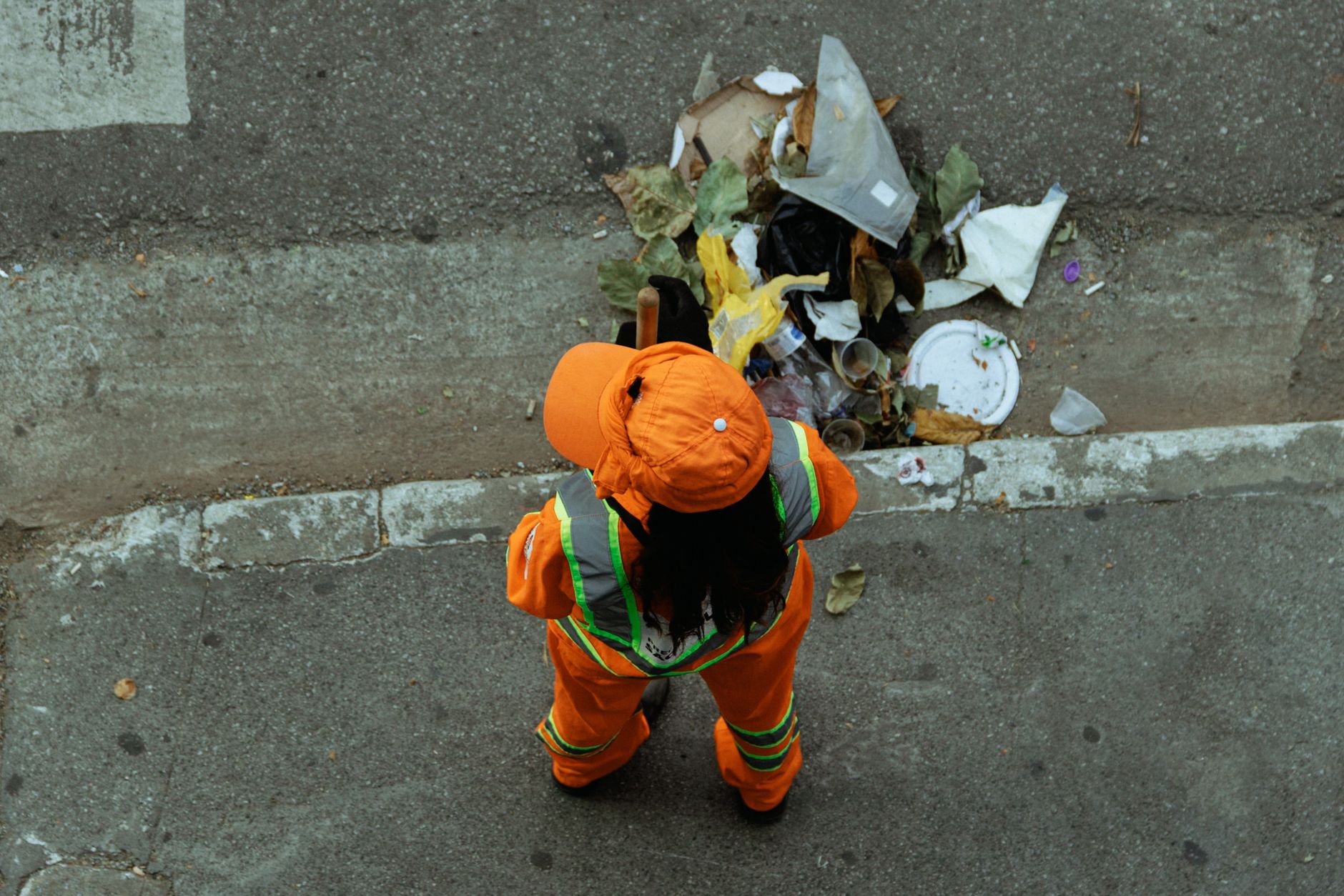
Introduction: Why 2026 Puts Clean Harbors and Waste Management Under the Microscope
Two U.S. industrial leaders sit at the crossroads of the environmental services industry: Clean Harbors and Waste Management. One specializes in hazardous waste disposal, emergency response, and on-site environmental services; the other operates the country’s largest household waste collection and recycling network. For investors focused on long-term value, the choice between clean harbors waste management and Waste Management (WM) hinges on how each company earns, how resilient its cash flow is, and how regulators and customers shape demand. This article lays out the key differences, the risks and growth catalysts for 2026, and which stock may offer the better risk-adjusted upside for the coming years.
Understanding the Business Models: How Each Company Actually Makes Money
Clean Harbors: Hazardous Waste, On-Site Services, and Emergency Response
Clean Harbors operates in a specialized corner of environmental services. Its model blends hazardous waste treatment and disposal with value-added services that sit directly with clients. The company runs a network of treatment, incineration, and landfilling facilities across North America, complemented by mobile and on-site services that help customers manage compliance, cleanups, and regulatory reporting.
A standout feature is the On-Site Service concept, where Clean Harbors assigns industry experts to client facilities. These experts handle waste management planning, regulatory compliance, and crisis-response readiness. The arrangement creates recurring revenue streams with Fortune 500 clients and helps the company lock in long-term relationships that go beyond one-off waste shipments.
Waste Management: Scale, Household Waste, and Recycling
Waste Management, by contrast, leans on mass-market volumes. Its core business is curbside collection, hauling, and the processing of recyclables and waste at large transfer stations and landfills. WM’s scale provides bargaining power with customers, municipalities, and haulers, while its diversified mix includes recycling, energy-from-waste projects, and landfill gas capture—sources that contribute to steady cash generation even when individual segments face headwinds.
With hundreds of recycling centers and landfills, WM benefits from a predictable, if price-sensitive, ecosystem: municipal contracts, residential customer growth, and ongoing demand for recycling and waste diversion programs. The company’s financial model tends to be more mature and regulated, with dividends and share repurchases baked into many investor theses.
What the Growth Landscape Looks Like in 2026
Regulatory Tailwinds: Making Environmental Services Essential
Both companies sit in a space influenced by regulation, but the exposure differs. Tightening rules on hazardous waste handling, chemical spill response, and cross-border transport can boost demand for Clean Harbors’ specialized services. At the same time, WM faces ongoing regulatory scrutiny over landfill operations, landfill gas capture programs, and recycling rates. If governments push more aggressive waste-diversion targets, WM could see accelerated demand for recycling and waste management offerings, while Clean Harbors might gain from new hazardous waste streams created by stricter industrial compliance standards.

Automation, Digital Platforms, and Service Onboarding
Digital platforms and data analytics are increasingly shaping both firms. For Clean Harbors, digital tracking of waste streams, real-time compliance dashboards, and on-site service scheduling can improve margins by reducing truck routes and labor costs. WM is leveraging technology to optimize route planning, route density, and recycling-sort performance—an efficiency boost that compounds with scale.
Risk Profiles: What Could Disrupt Your Investment Thesis
Regulatory and Environmental Risks
Hazardous waste operations carry high regulatory risk. A single major incident or a sudden change in disposal technology can reverberate through earnings. Clean Harbors’ exposure to treatment facilities, incineration, and hazardous waste volumes makes it sensitive to compliance costs, permit renewals, and capital expenditures. WM faces environmental liabilities tied to landfills, long-term closure costs, and the pricing environment for recyclables—an area that can swing with global commodity prices and recycling policy shifts.
Capital Intensity and Balance Sheet Dynamics
Clean Harbors typically carries higher asset intensity and capital expenditure needs given its facility network and treatment technologies. WM’s capital plan is substantial too, but its revenue model benefits from scale and recurring residential volumes, which can translate to a lower capex-to-revenue ratio in some periods. Debt levels and debt-service costs matter here, especially if interest rates rise or if there is a shift in credit markets.
Financial Health and Valuation: How to Gauge Attractiveness
Cash Flow Quality and Dividend Styles
Investors often compare two very different cash flow archetypes. Clean Harbors tends to feature more volatile, project-driven cash flow tied to regulatory cycles and the timing of large hazardous waste projects. WM, as a market-leading mass service provider, generally demonstrates steadier cash flow with a longer history of dividend payments and stock buybacks. In a portfolio seeking income with growth upside, WM’s dividend discipline can be appealing. For growth seekers, Clean Harbors’ potential for expansion through high-margin specialized services presents a different kind of appeal.
Valuation Considerations: Growth vs. Stability
Valuation in industrials often reflects growth outlook, quality of earnings, and capital discipline. Clean Harbors might trade at a premium during periods of high demand for hazardous waste services, especially if the pipeline of projects looks robust and capex cycles are favorable. WM can command a premium when investors crave defensiveness and predictable dividend cash flow, but it can also face multiple compression if recycling prices weaken or if regulatory regimes tighten in ways that raise ongoing costs.
Which Stock Looks Like a Better Buy for 2026?
Answering the question of which stock is the better buy depends on your priorities, time horizon, and risk tolerance. Here’s a practical way to think about it for 2026:
- If you want stability and income: Waste Management is typically the more defensive choice. Its scale, diversified revenue sources, predictable seasonal cycles, and history of dividends give investors comfort in uncertain markets. For risk-averse investors, WM’s cash flow visibility can translate into a smoother ride in volatile times.
- If you want growth potential and optionality: Clean Harbors could offer more upside for investors who accept higher cycle risk. The growth comes from expanding on-site services, expanding hazardous waste capabilities, and capturing new regulatory-driven demand. If technology adoption accelerates in the environmental services space and if new disposal methods unlock higher margins, CLH could outperform in a rebound scenario.
In a balanced portfolio, many investors use a laddered approach: allocate a core position to WM for defense and income, and add a smaller, higher-growth sleeve in Clean Harbors to capture upside if the hazardous waste market accelerates. Every investor should calibrate exposure to domestic macro trends, regulatory shocks, and commodity-price cycles—factors that can swing both businesses in meaningful ways.
Practical Scenarios: Real-World Examples to Consider
Let’s ground the analysis in a couple of practical situations you might see in 2026:
- Scenario A — Regulatory certainty improves results: Suppose new rules streamline permitting for hazardous waste facilities and increase funding for recycling infrastructure. Clean Harbors benefits from more disposal streams and longer-term contracts, while WM gains from expanded recycling programs and landfill gas projects. Both could see margin expansion, but CLH might deliver higher leverage on asset utilization.
- Scenario B — Recycling price volatility impacts WM: If commodity markets experience a downturn, WM’s recycling revenue could soften. The impact may be cushioned by its diversified mix (collection, hauling, and landfill operations), but the overall margin and cash flow could compress in the near term.
- Scenario C — A steady 2–3 year growth path for hazardous waste demand: If industrial activity remains solid and more plants commit to rigorous waste handling standards, Clean Harbors could grow faster than WM, particularly through its on-site services that lock in recurring revenue with large clients.
These examples show why the better-buy decision hinges on how you weight risk and how you view the pace of change in environmental policy and industrial activity. The truth is: both companies have long-term advantages, but they appeal to different investor mindsets.
A Practical Guide to Your 2026 Investment Decision
Here is a quick checklist to help you decide which stock aligns with your plan:
- Your risk tolerance: If you can tolerate more volatility for potential upside, Clean Harbors may fit. If you prefer stability and income, Waste Management is often the safer anchor.
- Your time horizon: A longer horizon favors the growth tail of Clean Harbors and the compounding of on-site service contracts. A shorter horizon tends to favor WM’s steadier cash flow and dividends.
- Your portfolio role: Is your aim to diversify within industrials or to balance defensive exposure with growth opportunities? Place each stock in a role that complements your existing holdings.
Conclusion: A Thoughtful Choice for 2026
In the debate over clean harbors waste management as a potential investment, there isn’t a single right answer. The choice reflects your appetite for growth versus defensiveness, your view of regulatory risk, and how you expect the waste-management industry to evolve over the next two years. Clean Harbors offers an ambitious path rooted in hazardous waste handling, on-site client services, and episodic projects that can deliver outsized gains in a favorable cycle. Waste Management delivers scale, a predictable dividend, and a resilient cash flow profile that often appeals to conservative investors seeking steady returns. For many portfolios, a blended approach—core exposure to WM with a smaller sleeve in CLH—can provide balance, diversification, and optionality as 2026 unfolds.
FAQ
FAQ 1: How do Clean Harbors and Waste Management differ in business focus?
Clean Harbors concentrates on hazardous waste disposal, on-site environmental services, and emergency response for industrial clients. Waste Management focuses on mass-market waste collection, hauling, and recycling, leveraging scale and contract certainty.
FAQ 2: Which company is typically more resilient in a downturn?
Waste Management tends to be more defensive due to its recurring residential volumes and steady demand, while Clean Harbors can experience more volatility tied to project pipelines and regulatory changes. A well-diversified mix helps mitigate these differences.
FAQ 3: What should I watch for in 2026 that could change the investment outlook?
Key indicators include regulatory developments around hazardous waste handling, recycling policy shifts, commodity price trends for recyclables, and the pace of capital expenditure in environmental services infrastructure. These factors can influence margins, contract wins, and dividend policy.
FAQ 4: How can I assess valuation differences between CLH and WM?
Beyond price multiples, compare EBITDA margins, free cash flow yields, and dividend coverage. Consider growth expectations, capex intensity, and the reliability of on-site services for CLH versus WM’s scale-driven cash flow. Scenario analysis can help you understand how each stock might perform under different market conditions.
Discussion